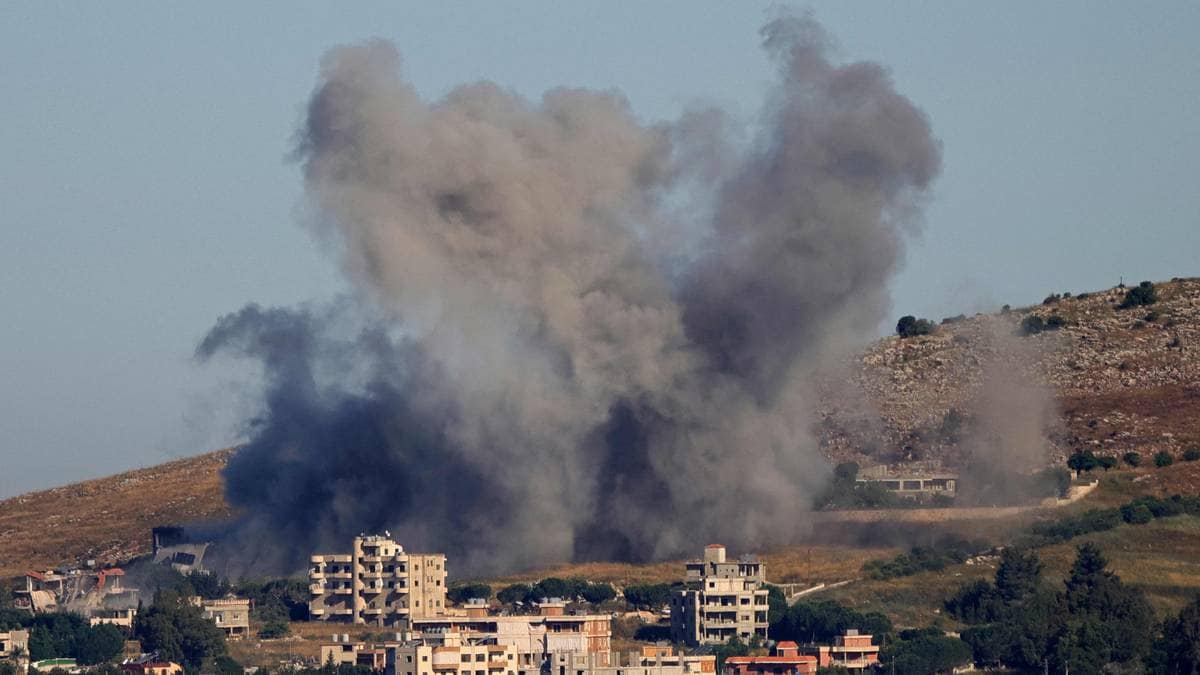
As the international community watches the volatile situation in the Middle East, a significant diplomatic development has emerged regarding the conflict between Israel, and Hezbollah. Following intensive mediation efforts led primarily by the United States, reports indicate a move toward a ceasefire agreement, contingent upon the cessation of hostilities by the militant group Hezbollah. This potential shift follows months of escalating cross-border exchanges that have displaced thousands of civilians and heightened concerns of a broader regional war.
For those of us tracking these developments from a geopolitical lens, the nuance lies in the implementation. A ceasefire in this context is not merely a cessation of fire but a complex security arrangement that necessitates the withdrawal of Hezbollah forces from the immediate border regions of southern Lebanon to north of the Litani River, in accordance with long-standing United Nations Security Council resolutions. As we analyze the path toward a ceasefire between Israel and Lebanon, it is essential to distinguish between diplomatic intent and the precarious reality on the ground.
The latest updates suggest that the Israeli security cabinet has approved the terms of a deal, which is designed to restore stability to northern Israel and allow displaced residents to return to their homes. According to statements from the White House, this agreement aims to ensure that Hezbollah will no longer be able to launch attacks against Israel from Lebanese territory. However, the durability of such an agreement remains a subject of intense scrutiny by regional analysts and international observers alike.
The Diplomatic Framework and Security Mandates
The proposed framework for the cessation of hostilities relies heavily on the enforcement of UN Security Council Resolution 1701, which brought an end to the 2006 Lebanon War. This resolution mandates that the area between the Blue Line—the border between Israel and Lebanon—and the Litani River be free of any armed personnel, assets, and weapons other than those of the Government of Lebanon and the United Nations Interim Force in Lebanon (UNIFIL).
In practice, the success of this current diplomatic endeavor depends on the willingness of the Lebanese Armed Forces to assume control of the south, backed by international oversight. The United States has played a central role in mediating these terms, with senior officials shuttling between Jerusalem and Beirut to bridge the gap in trust between the warring parties. This is not a formal peace treaty, but rather a tactical de-escalation aimed at preventing a total breakdown of regional security.
Geopolitical Tensions and Internal Pressures
The decision to pursue a ceasefire has not been without controversy within Israel. Prime Minister Benjamin Netanyahu has faced significant domestic pressure, balancing the demands of his security establishment with the political realities of his governing coalition. Reports of friction, including discussions regarding the timing and scope of the agreement, underscore the complexity of the internal decision-making process. As noted by the Reuters reporting on the cabinet approval, the Israeli government has emphasized that it retains the right to resume military action should the agreement be violated by Hezbollah.

For Lebanon, the situation is equally fraught. The country has been grappling with a severe economic crisis and political paralysis, making the prospect of a sustained ceasefire both a relief and a challenge. The integration of Hezbollah into the Lebanese state structure means that any agreement involving the group is inherently tied to the broader political landscape of the Levant. The international community, including France and other European partners, continues to support the diplomatic track as the only viable alternative to a catastrophic escalation.
What a Ceasefire Means for the Region
The primary beneficiaries of a sustained calm would be the civilian populations on both sides of the border. Tens of thousands of people in northern Israel and southern Lebanon have been forced to flee their homes due to the near-daily exchange of rockets, drone strikes, and artillery fire. A cessation of hostilities provides the necessary window for humanitarian aid to reach affected areas and for infrastructure assessments to begin.
However, the history of this conflict suggests that security arrangements are fragile. Without a robust mechanism to monitor compliance and address breaches, any agreement faces the risk of unraveling. The role of UNIFIL, which has been stationed in the region for decades, is expected to be reinforced, though the organization has faced its own challenges in maintaining its mandate amid the current intensity of the conflict.
Key Takeaways for Global Observers
- Terms of Engagement: The agreement is contingent on Hezbollah withdrawing its forces and military infrastructure away from the border, as outlined in historical UN mandates.
- Verification Mechanisms: A multinational committee, led by the United States, is expected to oversee the implementation of the ceasefire to ensure accountability.
- The Human Impact: The primary objective is the safe return of displaced citizens, who have been living in temporary shelters for months.
- Right of Self-Defense: Israel has maintained that it will reserve the right to strike if it detects immediate threats from across the border, a stance that keeps the situation in a state of high alert.
Looking Ahead: The Path Toward Stability
As we move into the next phase of this crisis, the international community will be watching for the first signs of adherence to the agreement. The coming days will be critical, as the transition from a state of active combat to a monitored ceasefire requires not only the cooperation of the primary actors but also the sustained commitment of global powers to enforce the terms.

For readers seeking the most accurate and up-to-date information, it is recommended to monitor the official briefings from the United Nations Security Council and statements from the respective foreign ministries involved in the mediation process. The situation remains fluid, and the definitions of success may shift as the realities of implementation become clear.
Thank you for joining me in analyzing these complex developments. As a journalist who has spent over a decade documenting the intricacies of international relations, I know how vital it is to cut through the noise and focus on the verified facts. I invite you to share your thoughts in the comments section below and join the conversation on how these events are shaping our global landscape.
Related reading