Jerusalem – Israel has tasked longtime aide Ron Dermer with managing the sensitive file concerning Lebanon, a move occurring amidst escalating tensions and a push from Beirut for direct negotiations. Even as the appointment signals a potential willingness to engage, officials indicate that concrete plans for talks are not currently underway. The development comes as Lebanon prepares to form a delegation to discuss a potential cessation of hostilities with Israel, particularly concerning the ongoing clashes with Hezbollah.
The appointment of Dermer, who previously served as Israel’s ambassador to the United States, underscores the significance Prime Minister Benjamin Netanyahu places on the Lebanon issue. According to reports from Channel 12 News, cited by CNN, Dermer will lead discussions with both the U.S. Government and, if launched in the coming weeks, directly with the Lebanese government. This comes after a recent escalation in violence between Israel and Hezbollah, triggered by the killing of Iran’s supreme leader Ali Khamenei. The situation has prompted concerns about a wider regional conflict, and the need for diplomatic solutions is increasingly urgent.
Escalating Tensions and Calls for Diplomacy
The recent surge in hostilities stems from the killing of Iranian Supreme Leader Ali Khamenei, an event that triggered a significant response from Hezbollah, including increased rocket and drone attacks on Israel. In response, Israeli officials have threatened to target Lebanon’s civilian infrastructure if Hezbollah does not cease its attacks. However, a U.S. Official, as reported by Channel 12 News, indicated that Israel has pledged not to attack Beirut’s international airport, although this claim was partially disputed by an Israeli official who stated that each potential target would be assessed individually. This delicate balance highlights the complex dynamics at play and the potential for further escalation.
Lebanon’s President Joseph Aoun recently called for negotiations with Israel to de-escalate the situation. According to reports from AFP, Lebanon is actively preparing to form a delegation for these potential talks, with Paris and Cyprus being considered as possible locations. However, a key sticking point remains Israel’s demand that Hezbollah be disarmed and prevented from launching attacks. A Lebanese official, speaking to AFP, emphasized the need for Israel to demonstrate a commitment to a ceasefire for negotiations to progress.
Dermer’s Role and U.S. Involvement
Ron Dermer’s appointment is particularly noteworthy given his close relationship with Prime Minister Netanyahu and his previous role as Israel’s ambassador to the United States. He served as strategic affairs minister from 2022 until his resignation late last year. The Times of Israel reports that Dermer will be responsible for coordinating with the U.S. Government on the Lebanon file, suggesting a continued reliance on American mediation. The U.S. Has been actively involved in attempting to contain the conflict and prevent a wider regional war.
The U.S. Role is crucial, as evidenced by the reported request to Israel to refrain from bombing Beirut’s international airport. While the Israeli official’s caveat regarding case-by-case assessments introduces an element of uncertainty, the initial pledge indicates a degree of responsiveness to U.S. Concerns. The situation underscores the intricate web of alliances and interests that characterize the region, and the potential for miscalculation to rapidly escalate tensions.
Recent Israeli Airstrike in Beirut
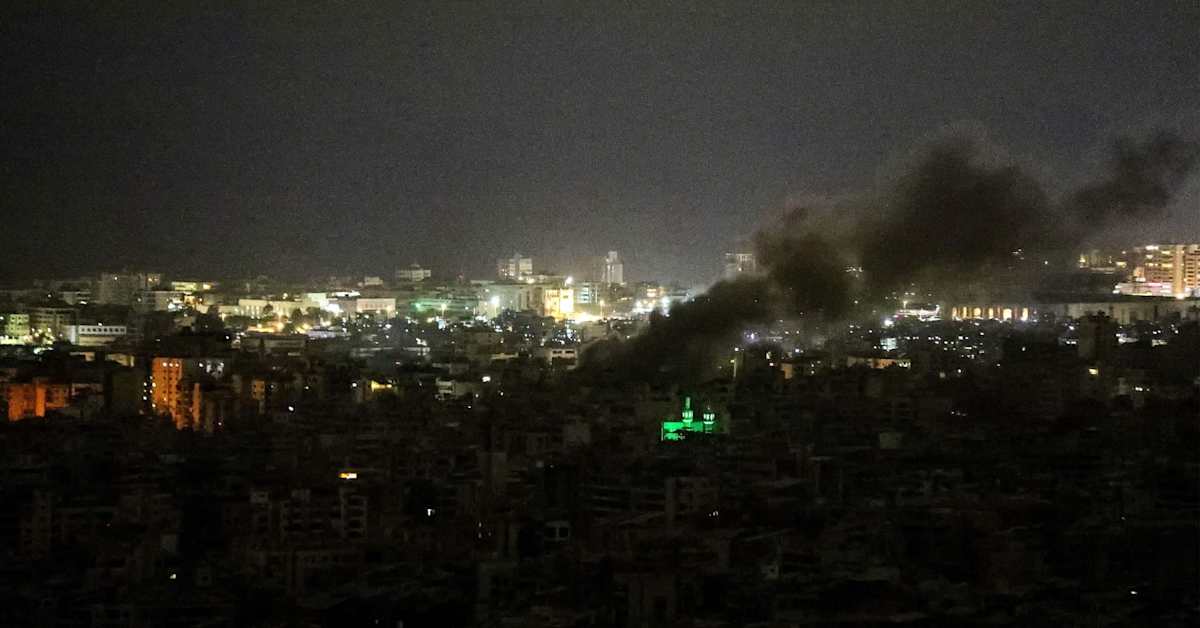
On March 14, 2026, Israel conducted an airstrike in the southern suburbs of Beirut, Lebanon, as reported by AFP. The strike highlights the ongoing volatility and the potential for further military action despite the calls for diplomacy. The specific targets and the extent of the damage remain unclear, but the incident serves as a stark reminder of the risks involved and the urgent need for a political solution. The continued exchange of fire between Israel and Hezbollah raises concerns about the potential for a full-scale conflict, with devastating consequences for both countries and the wider region.
The Path Forward: Negotiations and Challenges
Despite the appointment of Dermer and Lebanon’s willingness to form a delegation, significant obstacles remain to any meaningful negotiations. Israel’s insistence on Hezbollah’s disarmament is a non-starter for the militant group, which views itself as a defender of Lebanon against Israeli aggression. The lack of a clear commitment from Israel to a ceasefire, as highlighted by the Lebanese official’s comments to AFP, casts doubt on the prospects for a quick resolution. The complex political landscape within Lebanon, with Hezbollah wielding significant influence, as well presents a challenge to any potential agreement.
The situation is further complicated by the broader regional context, including the ongoing tensions between Iran and Israel. The killing of Ali Khamenei served as a catalyst for the recent escalation, and any attempt to address the Lebanon issue must take into account the wider geopolitical dynamics. The United States will likely continue to play a key role in mediating between the parties, but the ultimate success of any diplomatic effort will depend on the willingness of both Israel and Hezbollah to compromise.
While the appointment of Ron Dermer does not necessarily indicate imminent negotiations, it does signal a willingness from Israel to engage with the issue at a high level. The coming weeks will be critical in determining whether a diplomatic path can be forged, or whether the region will be plunged into a wider conflict. The international community is closely monitoring the situation, and the pressure for a peaceful resolution is mounting.
The next key development to watch will be whether Israel formally responds to Lebanon’s call for negotiations and whether Dermer initiates contact with Lebanese officials or U.S. Counterparts. Further updates on the situation are expected from both the Israeli government and the Lebanese presidency in the coming days. We encourage readers to share their thoughts and perspectives on this critical issue in the comments below.
Related reading