
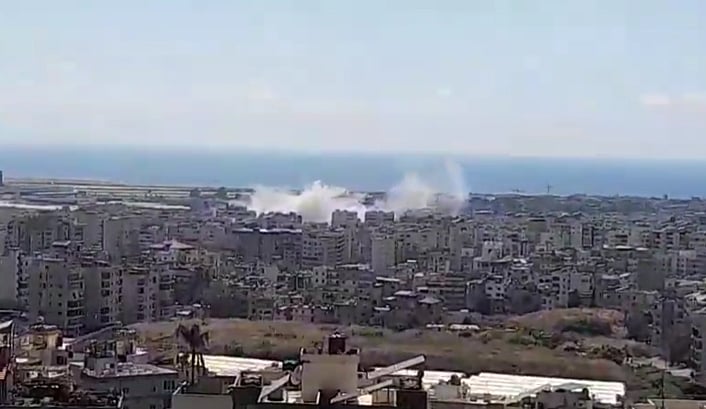
The Israeli military conducted an airstrike in the suburbs of Beirut this week, marking a significant escalation following the implementation of a recent ceasefire agreement negotiated with the United States. This development arrives amidst ongoing cross-border tensions between Israel and Hezbollah, with officials confirming the strike was a response to rocket fire directed toward northern Israel.
For those following the situation, the strike represents a fragile moment for the regional security framework established just days prior. International observers and local residents are monitoring whether this military action will lead to a broader collapse of the cessation of hostilities or remain an isolated incident in an increasingly volatile border environment. The Israeli military stated that it successfully intercepted two projectiles fired from Lebanese territory, further complicating the diplomatic efforts to maintain stability.
Context of the Recent Escalation
The strike on the southern suburbs of Beirut is the first such action reported since the new ceasefire took effect. Tensions have remained high as both sides navigate the terms of the agreement, which was designed to de-escalate the conflict that has defined the border region for months. According to official statements, the Israeli military action was framed as a defensive measure following rocket attacks attributed to Hezbollah. These events underscore the difficulty of enforcing a durable peace in a landscape where security incidents can rapidly alter the diplomatic trajectory.

The role of the United States in these negotiations has been central, with Washington pushing for a sustainable resolution to prevent a wider regional war. However, the recent exchange of fire suggests that the operational reality on the ground continues to challenge the diplomatic progress made in recent days. The interception of projectiles by Israeli defense systems highlights the ongoing technical and military readiness of both parties, even as high-level discussions regarding the ceasefire’s future continue.
Regional Security and Operational Impact
The impact of this strike extends beyond the immediate damage to infrastructure in Beirut’s southern suburbs. It serves as a test for the international community’s ability to mediate the long-standing dispute. As the situation develops, the focus remains on whether the current diplomatic channels can contain the violence before it escalates into a more sustained confrontation. The Israeli government has consistently maintained that it will respond to any threats against its northern borders, a position that has remained a constant throughout the latest round of talks.
For civilians in both Lebanon and Israel, the uncertainty remains a primary concern. The movement of populations and the disruption of local economies are frequently cited as the most immediate consequences of such military activities. As of today, international stakeholders are urging restraint from all parties involved to prevent a return to the full-scale conflict that characterized the months leading up to the current ceasefire agreement. Clear communication between the involved military commands and their respective diplomatic partners is now considered essential to preventing further miscalculations.
Next Steps in the Diplomatic Process
Looking ahead, the next confirmed checkpoint for the region involves ongoing discussions between regional powers and international mediators to reassess the viability of the ceasefire. There are no scheduled public hearings or formal treaty signings at this time, but diplomatic briefings are expected to continue as officials evaluate the impact of this latest military engagement on the broader peace process. Monitoring official channels remains the most reliable way to track updates on the ceasefire’s status.
We will continue to provide updates as more information becomes available. If you have insights or observations regarding the situation on the ground, please feel free to share them in the comments section below, and consider sharing this report to keep your network informed on these critical developments.