
The Israeli government has faced renewed international scrutiny regarding its formal stance on the Armenian genocide, a historical issue that remains a sensitive point of contention in Mediterranean diplomacy. While various legislative proposals have been introduced in the Knesset over several decades to officially recognize the mass killings of Armenians by the Ottoman Empire during World War I as a genocide, the state has historically maintained a cautious policy to avoid rupturing strategic ties with Turkey.
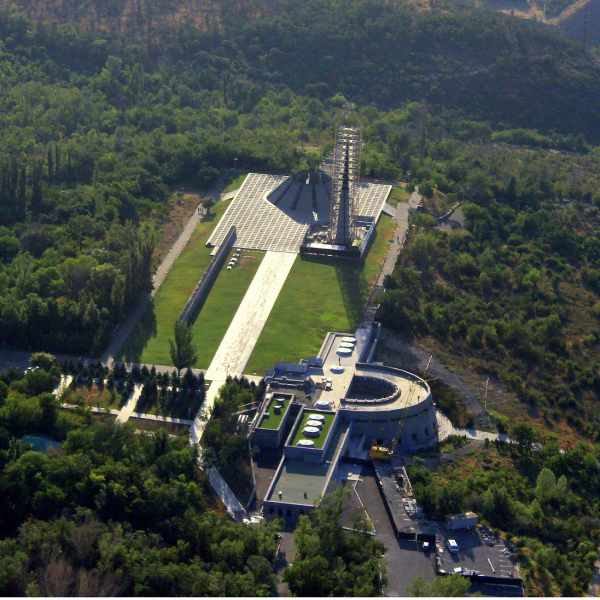
The Armenian genocide, widely recognized by historians as the systematic extermination of approximately 1.5 million Armenians by Ottoman forces starting in 1915, remains a central pillar of Armenian national identity and a primary objective of its global diplomatic efforts, according to the Armenian Genocide Museum-Institute. For Israel, the decision to formalize such a designation involves a complex balancing act between historical memory and modern geopolitical interests.
The Geopolitical Context of Recognition
The hesitation to formally adopt the term “genocide” in state policy has largely been attributed to the need to preserve security and trade cooperation with Turkey, a NATO member and former regional ally. According to reporting from the Council on Foreign Relations, diplomatic relations between Israel and Turkey have experienced significant volatility over the past decade, fluctuating based on regional conflicts and political shifts in Ankara. When ties between the two nations deteriorate, calls within the Israeli political sphere to recognize the Armenian deaths often intensify as a signal of shifting regional priorities.

Historical research indicates that the Ottoman government initiated the forced deportation and mass slaughter of the Armenian population between 1915 and 1917. While the Republic of Turkey acknowledges that many Armenians died during the period, it rejects the classification of these events as a systematic genocide, arguing that the deaths occurred as a result of civil war and famine, as noted by the Turkish Ministry of Foreign Affairs.
Legislative Hurdles and Policy Shifts
Throughout the years, individual members of the Knesset have frequently sponsored private member bills to mandate official state recognition of the atrocities. However, these efforts have historically been stalled by the executive branch. Successive Israeli governments have consistently navigated this issue by acknowledging the immense suffering of the Armenian people while stopping short of a formal state declaration of genocide, primarily to prevent a total collapse of diplomatic dialogue with the Turkish government.
The debate is not merely symbolic; it impacts the way the Holocaust and other historical tragedies are discussed within the Israeli educational system and public discourse. Supporters of official recognition argue that Israel, as a nation founded in the wake of the Holocaust, has a moral obligation to identify and condemn genocide regardless of the diplomatic cost. Conversely, security officials have long warned that such a move could permanently damage intelligence sharing and economic partnerships that are vital to Israel’s national security strategy.
What Happens Next?
As of mid-2024, there is no immediate indication that the Israeli Cabinet is set to move toward a formal, binding declaration that would change the state’s official position. The issue remains a recurring theme in parliamentary debate, often surfacing during periods of heightened diplomatic tension. Any shift in this policy would require a significant consensus within the governing coalition, which currently remains focused on immediate domestic and regional security challenges.
Observers of international law and human rights continue to monitor these developments. For the Armenian diaspora, the push for recognition remains a matter of historical justice, while for Israeli policymakers, it remains a lever of power that is carefully managed in the context of broader Middle Eastern alliances. As of this writing, there are no upcoming scheduled votes on the matter in the Knesset.
We invite our readers to share their perspectives on the intersection of historical memory and contemporary foreign policy in the comments section below. Stay tuned for further updates as this story develops.
Related reading