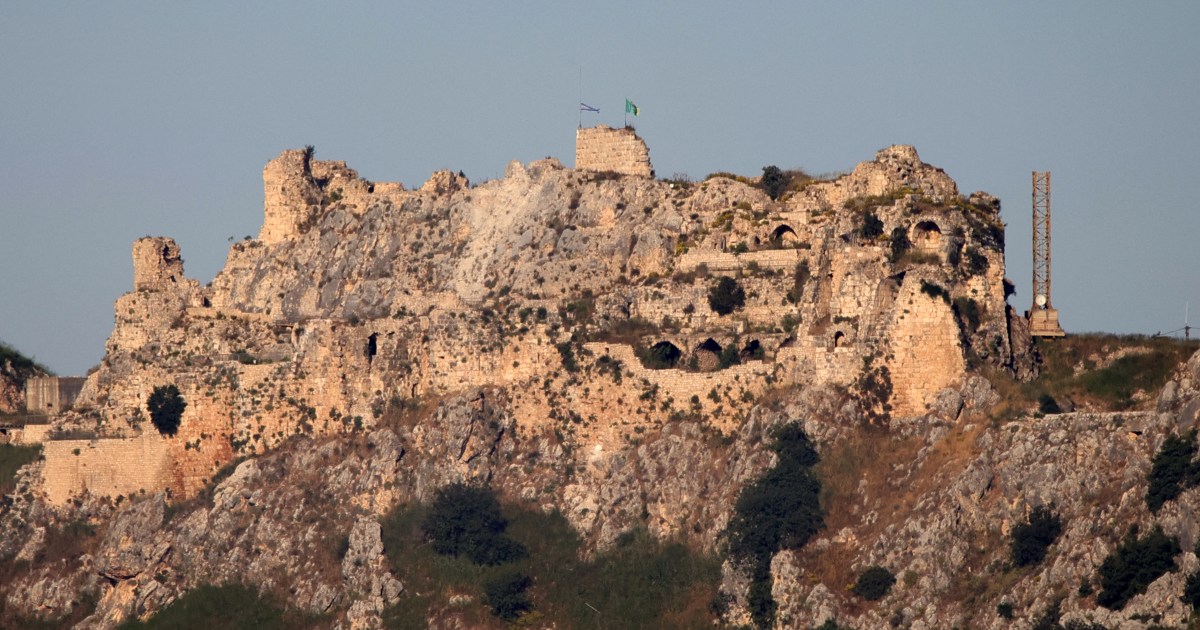
Israeli forces have pushed deeper into Lebanese territory than at any point in the last 26 years, marking a significant escalation in the ongoing conflict. On Sunday, May 31, 2026, military officials confirmed that troops had successfully captured the Beaufort Ridge, a strategic mountain location that overlooks communities in the Galilee region of northern Israel. This maneuver represents what Prime Minister Benjamin Netanyahu has described as a “dramatic change” in the nation’s strategic approach to the security of its northern border.
The operation, which involved the seizure of a historic castle site, comes amidst a backdrop of persistent violence that has continued despite a month-old ceasefire agreement. Both Israel and the Iran-backed militant group Hezbollah have traded accusations regarding the violation of this nominal peace, even as diplomatic efforts—including high-level meetings in Washington as recently as Friday—attempt to find a path toward long-term stability. The current situation remains fluid, with the deepening incursion signaling a shift toward a more aggressive posture in the region.
A Strategic Shift in Southern Lebanon
The capture of Beaufort Ridge is being framed by Israeli leadership not merely as a tactical gain, but as a fundamental pivot in operational policy. Prime Minister Netanyahu stated on Sunday that his instructions are to “deepen and expand” the Israeli grip on areas previously under the control of Hezbollah. This move is intended to establish a more permanent security footprint, with Defense Minister Israel Katz confirming that soldiers who secured the ridge are expected to remain there as part of a designated security zone.


For many observers, the significance of the Beaufort site is both historical and military. The ridge has long been a focal point in conflicts involving the two nations, with Israeli troops having previously occupied the area during the 1982 invasion of Lebanon. The return of the Israeli flag to these peaks is viewed by the current government as a critical step in the effort to “crush” the militant group, which has historically maintained a strong presence in the rugged terrain of southern Lebanon.
The human and material toll of this ongoing hostilities remains severe. According to reports from the Lebanese government, the broader conflict has resulted in more than 3,370 deaths, a figure that underscores the intensity of the fighting. Meanwhile, Israel has reported the loss of 24 of its soldiers and four civilians since the current round of hostilities began, highlighting the high cost paid by both sides in this protracted engagement.
The Diplomatic Challenge
This latest military advancement places immense pressure on international mediators seeking to prevent a wider regional conflagration. While Israeli and Lebanese officials engaged in discussions in Washington just days ago, the reality on the ground appears increasingly detached from these diplomatic overtures. The failure of the month-old ceasefire to curb the violence has left international observers concerned about the potential for further escalation.
The Israeli military maintains that its actions are necessary to ensure the safety of northern communities, which have been subject to frequent rocket fire and incursions. By establishing a presence across the Litani River, the Israel Defense Forces (IDF) are effectively creating a buffer zone that they argue is essential to preventing future attacks. However, this strategy is met with significant opposition, and the continued exchange of fire suggests that a diplomatic resolution remains elusive in the near term.
What Comes Next
As of Sunday, May 31, 2026, the situation in southern Lebanon remains volatile. Defense Minister Katz has explicitly stated that the “campaign is not yet over,” suggesting that further military operations may be expected as Israel pursues its stated objective of neutralizing Hezbollah’s operational capacity in the border region.

For those following the situation, the next critical checkpoint will likely be the upcoming assessments from international observers and potential follow-up meetings between regional stakeholders. While no specific date for a new round of formal negotiations has been confirmed, the international community continues to monitor the border region closely. As the situation evolves, we will continue to provide updates on the military developments and the ongoing diplomatic efforts to restore calm to the region.
What are your thoughts on these latest developments in Lebanon? Are you concerned about the regional implications of this deeper incursion? Share your perspective in the comments section below, and be sure to check back for further reporting as more information becomes available.