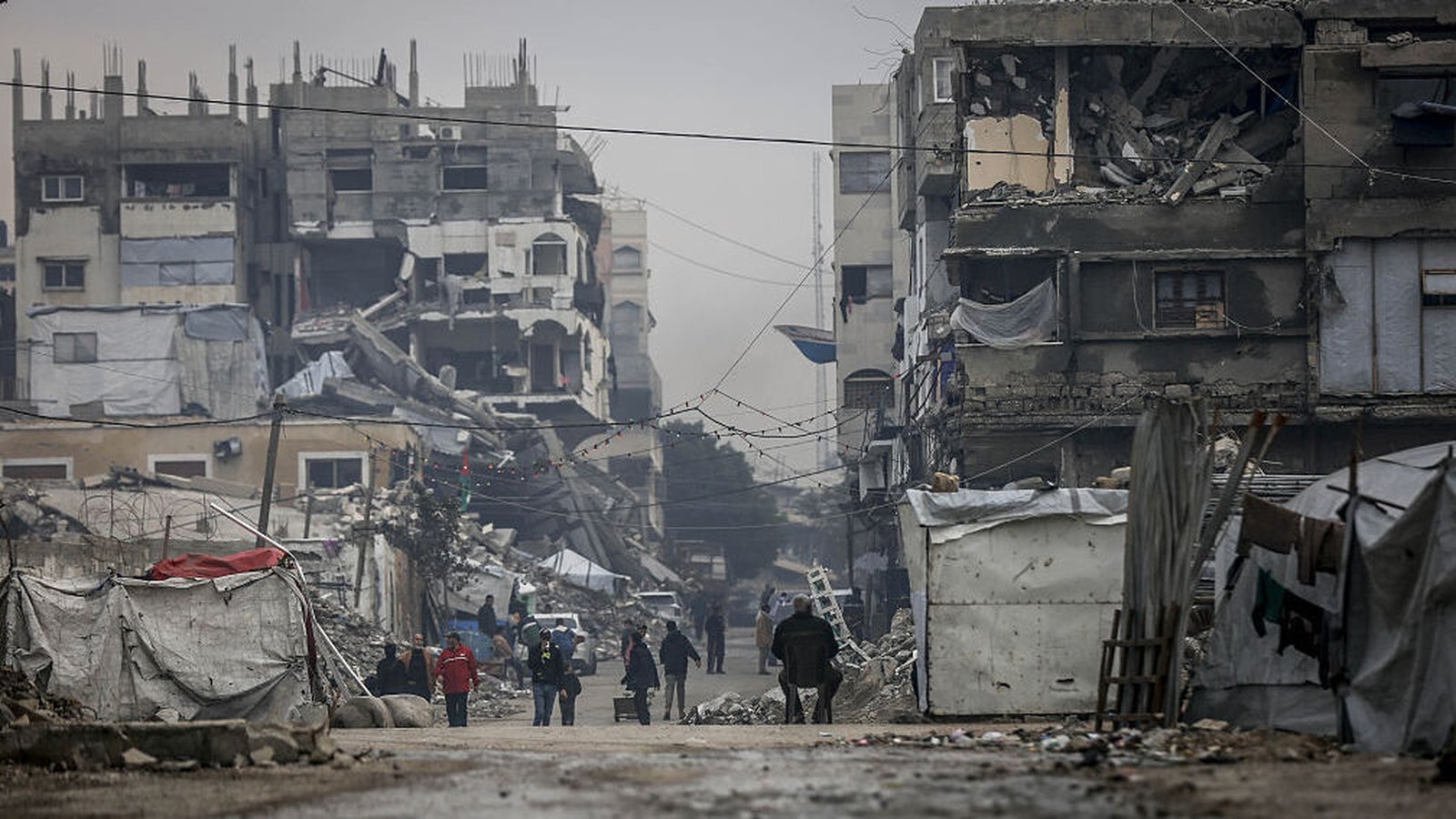
Israel defends Gaza Media Ban, Citing Ongoing Security Concerns
Teh Israeli government has reaffirmed its controversial ban on independent international media access to Gaza, arguing that security risks persist despite the current ceasefire. This decision, communicated to the Supreme Court on January 4th, 2024, follows a petition filed by the Foreign Press Association (FPA) demanding unrestricted access for journalists to the territory. The court had set a final deadline of January 4th for the government to present its rationale for continuing the restrictions, which have been in place since the start of the conflict in October 2023.
Currently, foreign journalists are only permitted to enter Gaza embedded with Israeli military forces, a system widely criticized for limiting independent reporting and perhaps compromising journalistic objectivity. The government submission asserts that allowing unescorted access to journalists would pose an unacceptable security threat, citing ongoing dangers even with the ceasefire in effect.
The core of the Dispute: Why is Media Access Restricted?
The ban centers on Israel’s assessment of the security situation within Gaza. Officials maintain that the territory remains volatile, with continued threats to the ceasefire and ongoing military operations, including the sensitive search for the remains of Ran Gvili, an Israeli hostage killed during the October 7th Hamas attack. The government argues that independent media presence could potentially jeopardize these operations.
However, the FPA contends that the restrictions impede the crucial work of international journalists in documenting events on the ground and providing a complete picture of the conflict to the world. They argue that independent reporting is vital for clarity and accountability. The FPA’s petition highlights the importance of unrestricted access in upholding press freedom and informing the global public.
A Grim Toll: Conflict Statistics Since the Ceasefire
The situation remains deeply concerning. As the ceasefire began on October 10th, 2023, the Gaza health ministry reports at least 420 Palestinians have been killed by Israeli forces. Tragically, three Israeli soldiers have also lost their lives during the same period, killed by militant activity. these figures underscore the fragility of the ceasefire and the continued risk within Gaza.
The broader conflict has had a devastating impact. The Gaza health ministry reports over 71,000 Palestinians have been killed as an inevitable result of Israel’s military assault on Gaza, sparking international accusations of genocide and war crimes – allegations Israel vehemently denies. The scale of the humanitarian crisis continues to grow, further emphasizing the need for accurate and independent reporting.
The Hostage Situation and its Impact on Media Access
A key justification for maintaining the media ban is the ongoing effort to recover the remains of Ran Gvili. While 250 hostages initially seized on October 7th have been returned to Israel - both living and deceased – Gvili’s body remains in Gaza. Israeli authorities suggest that unrestricted media access could potentially hinder the delicate and sensitive operation to locate and retrieve his remains.This highlights the complex interplay between security concerns, humanitarian efforts, and the right to details.
What happens Next?
The Supreme Court is now deliberating on the government’s submission and is expected to issue a ruling in the coming weeks. The outcome of this case will have notable implications for media freedom and the ability of the international community to independently monitor the situation in Gaza. The court’s decision will likely be scrutinized globally, with potential ramifications for Israel’s international standing and its relationship with the press.
Evergreen Insights: The Role of Media in Conflict Zones
The debate surrounding media access in Gaza is not unique. Throughout history, governments have often sought to control the flow of information during times of conflict.The tension between national security concerns and the public’s right to know is a recurring theme in wartime. Independent journalism plays a critical role in holding power accountable, documenting human rights abuses, and providing a platform for diverse perspectives.Restrictions on media access can create a vacuum of information, allowing misinformation and propaganda to flourish. The long-term consequences of limited reporting can be a distorted understanding of events and a diminished capacity for informed decision-making.
Frequently Asked Questions (FAQ)
1. Why has Israel banned journalists from entering Gaza independently? The Israeli government cites security concerns as the primary reason for the ban, stating that allowing unescorted journalists into Gaza poses a risk to both the journalists and ongoing military operations.
2. What is the Foreign Press Association (FPA) and what are they seeking? The FPA represents hundreds of foreign journalists working in Israel and the Palestinian territories. they have filed a petition with the Supreme Court demanding immediate and unrestricted access for international media to Gaza.
3. Has any media access been granted to Gaza during the conflict? Yes, Israel has
- Sharjah Electricity Authority Boosts Digital Transformation with Smart Meters and Road Lighting Expansion
- David Pirone Expands Hospitality Business to Toulon
- Jacksonville Jaguars Official Updates and News (news-usa.today)
- Man Utd Pursue Lewis Hall: Transfer Race and Release Clause Updates (archynewsy.com)