
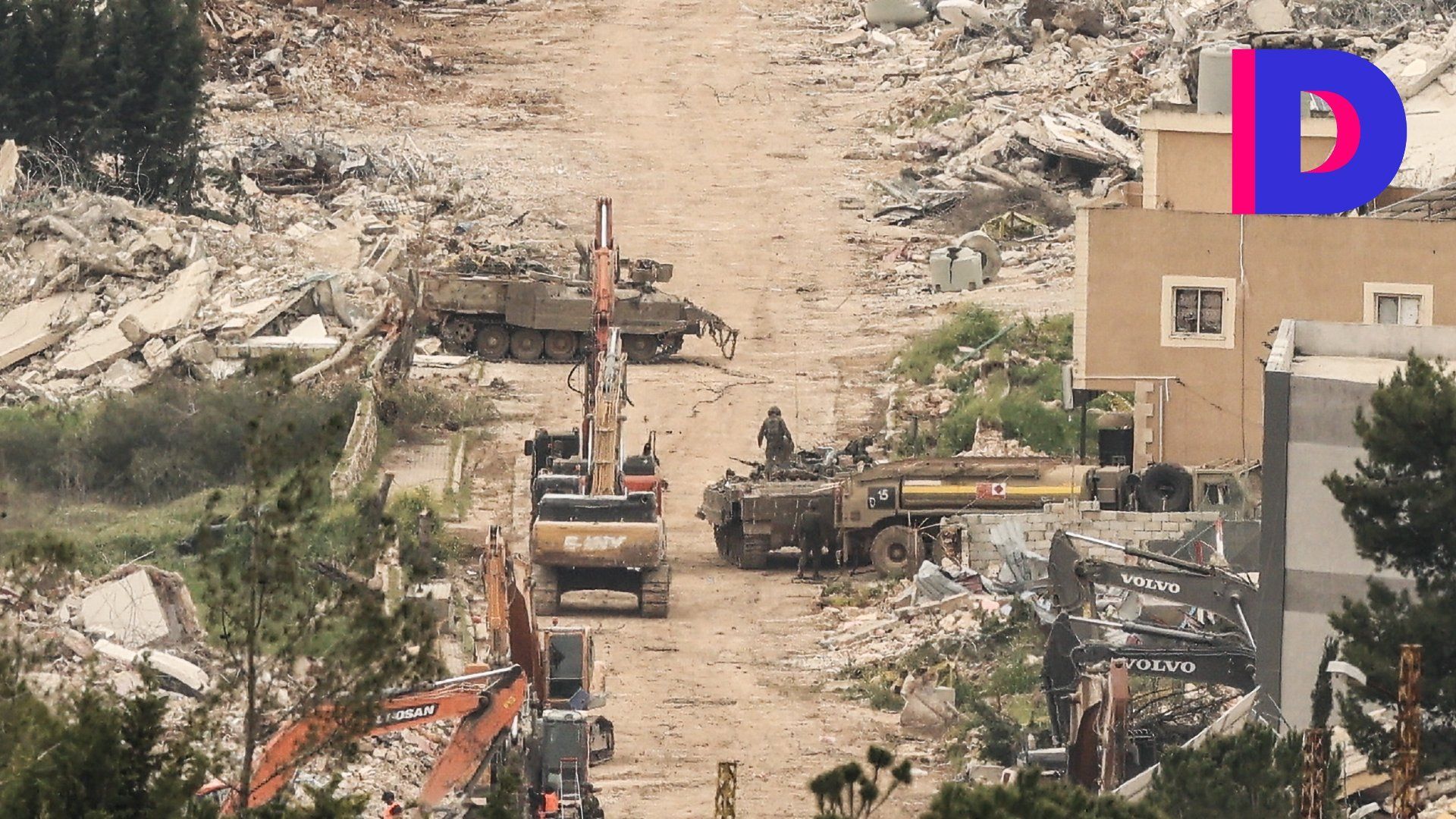
Devastation in Southern Lebanon as Israeli Strikes Intensify
Southern Lebanon is facing widespread destruction as Israeli forces continue a campaign of airstrikes and ground operations targeting areas near the border. Reports and visual evidence confirm extensive damage to infrastructure and residential areas, particularly in the city of Bint Jbeil, a historically significant stronghold of Hezbollah. The escalating conflict, which began in early March, has raised concerns about a potential wider regional war and a humanitarian crisis for Lebanese civilians.
The recent intensification of hostilities follows an exchange of fire between Israel and Hezbollah, triggered by the broader conflict in the Middle East. Israel has stated its objectives are to dismantle Hezbollah’s infrastructure and create a buffer zone within Lebanese territory to protect northern Israeli communities from rocket attacks. However, the scale of the destruction has prompted accusations of disproportionate force and deliberate targeting of civilian areas.
Bint Jbeil Reduced to Ruins
Bint Jbeil, located approximately 4 kilometers (2.5 miles) from the Israeli border, has borne the brunt of the Israeli offensive. Video footage released by the Israel Defense Forces (IDF) on April 16, 2026, purportedly shows the destruction of 70 “terrorist infrastructures” within the city. RTBF reported that the city now lies in ruins, with widespread damage visible in drone footage posted by a pro-government Israeli journalist.
The city holds symbolic importance as the location where Hassan Nasrallah, the leader of Hezbollah, delivered his “victory speech” following the Israeli withdrawal from Southern Lebanon in 2000. The IDF stated on April 13, 2026, “The glory is not built by speeches, but by the sound of soldiers’ footsteps,” signaling a commitment to continued military action.
Escalation of Conflict and Regional Implications
Hezbollah initiated the current round of conflict on March 2, 2026, launching rockets into Israel in response to Israeli and American operations against Iran. Since then, the group has intensified its attacks against Israeli military positions in Lebanon and within Israel itself. This has led to retaliatory strikes from Israel targeting locations throughout Lebanon, with a concentration of attacks in the south, the stronghold of Hezbollah.
The Institute for the Study of War (ISW) has mapped the strikes since early March, revealing a clear focus on southern Lebanon. Israel’s stated goal is to establish a “zone of security” along the border, effectively creating a buffer zone free from Hezbollah’s presence. This has involved the demolition of buildings and infrastructure in border towns, with Israel’s Defense Minister, Yoav Gallant, stating that the area will be “cleared of terrorist infrastructure, including by the destruction of houses in front-line villages that have become de facto terrorist outposts.”
The conflict is unfolding against a backdrop of heightened regional tensions, with concerns that it could escalate into a broader war involving Iran and other regional actors. The United States has been actively involved in diplomatic efforts to de-escalate the situation, but a lasting ceasefire remains elusive.
Humanitarian Concerns and Displacement
The ongoing conflict is having a devastating impact on the civilian population of Southern Lebanon. Thousands of residents have been displaced from their homes, seeking refuge in safer areas further north. The destruction of infrastructure, including homes, schools, and hospitals, is exacerbating the humanitarian crisis.
Reports indicate that Israel is employing tactics that raise concerns about the deliberate targeting of civilian infrastructure. RTBF reported that some observers allege the use of herbicides and white phosphorus, raising fears of long-term environmental damage and further displacement of civilians. These allegations have not been independently confirmed by international organizations.
The situation is further complicated by the presence of unexploded ordnance, posing a significant threat to returning residents. Humanitarian organizations are struggling to provide adequate assistance to those affected by the conflict, hampered by access restrictions and ongoing security concerns.
Historical Context and Potential for Prolonged Conflict
The current conflict is not an isolated event, but rather the latest chapter in a long history of conflict between Israel and Hezbollah. Previous Israeli invasions of Lebanon, notably in 1982, failed to eradicate the group, and analysts warn that a similar outcome is possible this time.
Karim Emile Bitar, a political analyst, noted that Israel’s current operation appears to be aimed at rendering Southern Lebanon uninhabitable, potentially forcing a large-scale displacement of the population. He also pointed to the mobilization of hundreds of thousands of Israeli reservists, indicating a commitment to a prolonged and intensive military campaign.
The potential for a prolonged conflict raises concerns about the long-term stability of Lebanon and the wider region. The destruction of infrastructure and the displacement of civilians could have lasting economic and social consequences, further exacerbating existing vulnerabilities.
International Response and Diplomatic Efforts
The international community has largely called for de-escalation and a ceasefire, but efforts to mediate a resolution have so far been unsuccessful. The United Nations has urged both sides to respect international law and protect civilians.

The United States has been actively engaged in diplomatic efforts, working to prevent the conflict from escalating into a wider regional war. However, the complex political dynamics and deep-seated mistrust between Israel and Hezbollah pose significant challenges to achieving a lasting peace.
Several countries have offered humanitarian assistance to Lebanon, but the scale of the crisis is overwhelming. The international community must increase its support for Lebanon to address the immediate needs of those affected by the conflict and to help rebuild the country’s infrastructure.
As of April 29, 2026, the situation remains fluid and unpredictable. Israeli forces continue to conduct strikes in Southern Lebanon, and Hezbollah continues to launch rockets into Israel. The next significant development is expected to be a potential United Nations Security Council meeting to discuss the escalating conflict and explore options for a ceasefire. The international community must prioritize diplomatic efforts to prevent further bloodshed and protect the civilian population of Lebanon.
Do you have insights or experiences related to the conflict in Lebanon? Share your thoughts in the comments below.