Rising Tensions in Southern Lebanon: A Delicate Peace Under Threat
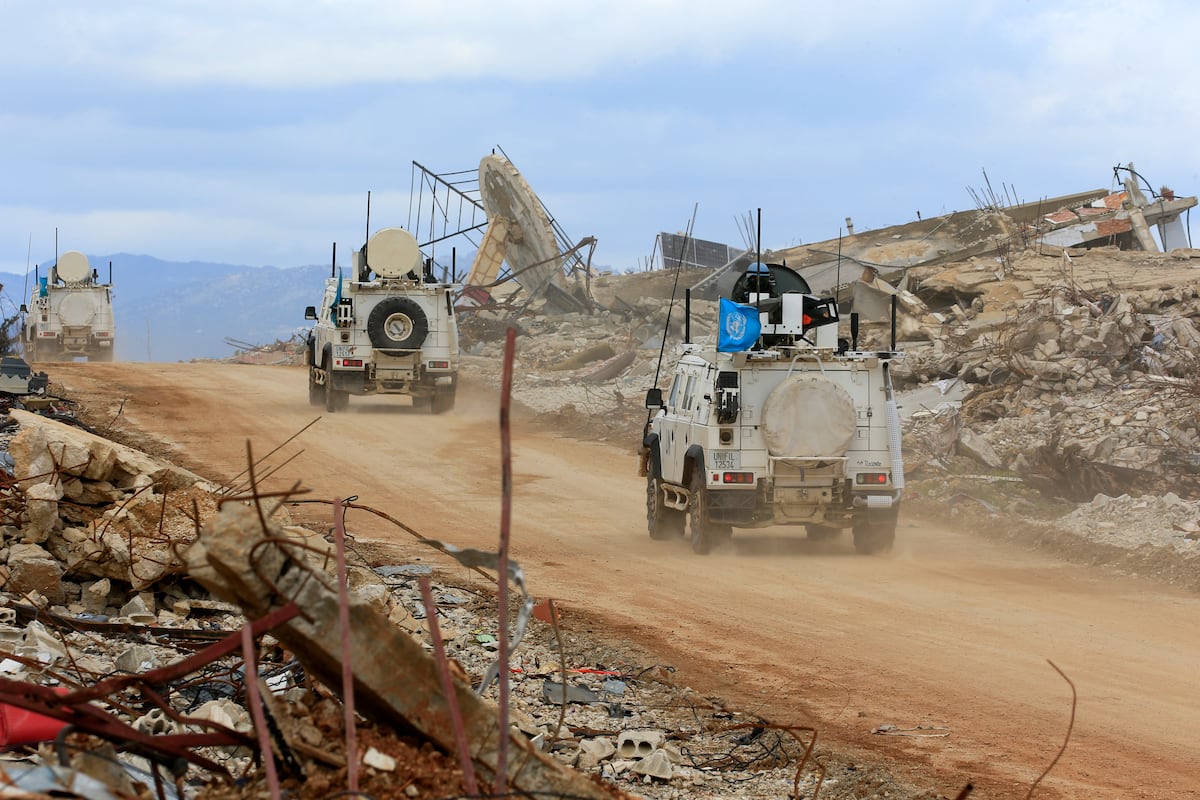
Recent events are casting a shadow over teh fragile peace between Israel and Lebanon, raising serious concerns about the stability of the region. A concerning incident involving UN peacekeepers and Israeli fire has sparked condemnation and demands for accountability. Let’s break down what’s happening and why it matters to you.
The Incident: A Close Call for Peacekeepers
On Sunday, a UN Interim Force in Lebanon (UNIFIL) patrol came under fire, reportedly from an Israeli tank. Fortunately, no peacekeepers were injured, but the situation was undeniably perilous. Projectiles landed just five meters from the patrol, forcing them to take cover.
Israel, tho, maintains its troops did not deliberately target UNIFIL soldiers. They state the incident is currently under investigation.
A Breach of international Law
UNIFIL has strongly protested the incident, asserting it represents a serious violation of UN Resolution 1701.This resolution, passed in 2006, was instrumental in ending the war between Israel and Lebanon.
Specifically, Resolution 1701 calls for:
* Israeli withdrawal from Lebanon.
* Deployment of Lebanese armed forces and UNIFIL in Southern lebanon.
* Disarmament of hezbollah, the lebanese Shiite group.
* A lasting ceasefire between Israel and Hezbollah, which was re-established in November of last year after a period of escalating conflict.
Lebanon’s Concerns: Impeding deployment & Sovereignty
The Lebanese Army has also voiced its concerns, stating that continued Israeli attacks are hindering the full deployment of its forces in Southern Lebanon.This deployment is a key component of the existing ceasefire agreement.
Essentially, Israel’s actions are undermining Lebanon’s ability to secure its own territory and fulfill its obligations under resolution 1701. The Lebanese Armed forces released a statement emphasizing Israel’s persistent violations of Lebanese sovereignty and the resulting instability.
Understanding the Current Ceasefire
The ceasefire, which began in November, hinges on a delicate balance. It requires:
* Israeli forces to withdraw from Southern Lebanon.
* Hezbollah to move its forces further north.
* The Lebanese Army to deploy and maintain security in the vacated areas.
Unfortunately,the recent escalation threatens to disrupt this carefully constructed arrangement.
Why This Matters to You
You might be wondering why a conflict in a distant region should concern you. The truth is, instability in the Middle East has global implications.
* Regional Security: A breakdown of the ceasefire could ignite a wider conflict, drawing in other actors and destabilizing the entire region.
* International Peacekeeping: attacks on UN peacekeepers are unacceptable and undermine the institution’s ability to maintain peace and security worldwide.
* Humanitarian Concerns: Conflict inevitably leads to displacement, suffering, and humanitarian crises.
Looking Ahead: A Path to De-escalation
The situation remains tense and requires immediate attention. A thorough and transparent investigation into the incident involving UNIFIL is crucial. Moreover, all parties must reaffirm their commitment to Resolution 1701 and work towards de-escalation.
Ultimately, a lasting peace requires dialog, respect for sovereignty, and a genuine commitment to addressing the underlying issues driving the conflict. It’s a complex challenge, but one that must be met to ensure stability and security for Lebanon, Israel, and the wider world.
Related reading