Ceasefire in Gaza Faces Renewed Strain Amidst Renewed Clashes and Hostage Recovery Challenges
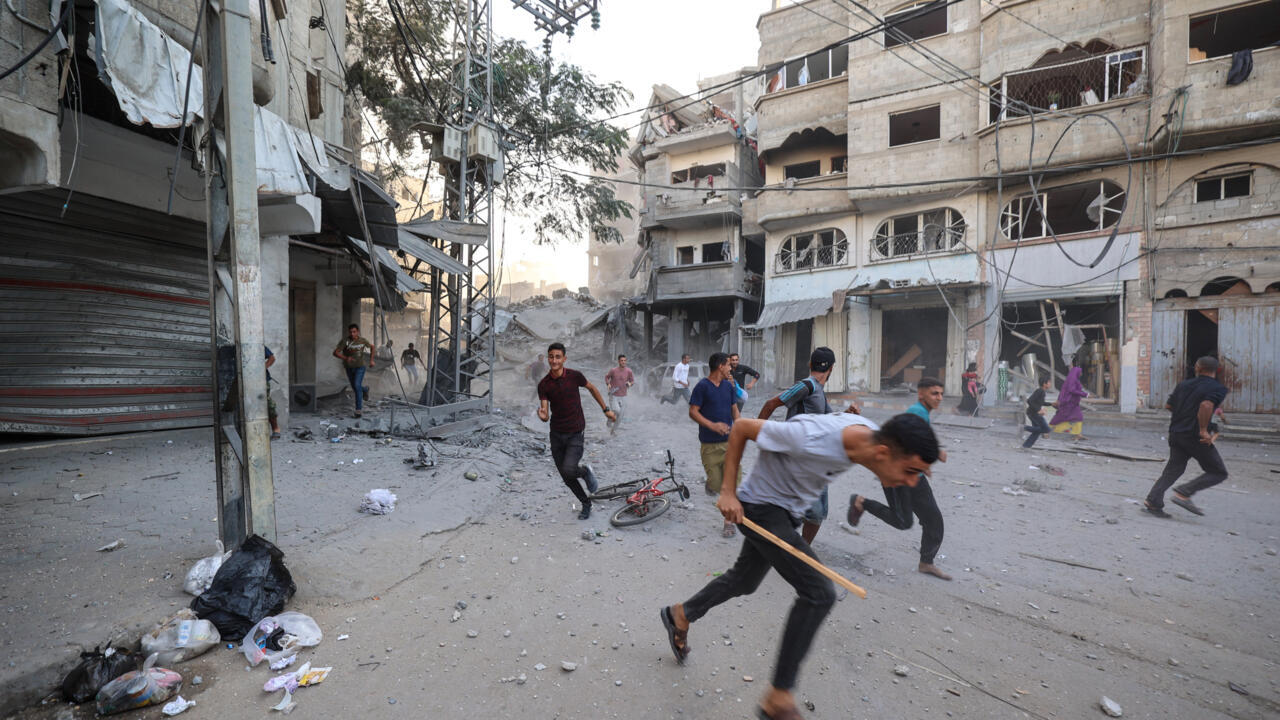
Recent reports indicate a fragile ceasefire between israel and Hamas is under increasing pressure following renewed clashes in gaza, particularly around Rafah. This development casts a shadow over ongoing efforts too secure the release of remaining hostages and deliver desperately needed aid to the besieged territory. Let’s break down the current situation, the key sticking points, and what this means for the future.
Escalating Tensions & Conflicting Accounts
Initial reports suggest Israeli strikes in central Gaza, specifically near al-Bureij camp, have sparked a sense of déjà vu for residents. Abdullah Abu Hasanin, a local resident, described the situation as a return to war, expressing disillusionment with the perceived lack of respect for the agreement by Israeli forces.
However,Hamas maintains it’s commitment to the ceasefire. Izzat Al-Rishq, a member of Hamas’s political bureau, accused Israel of deliberately breaching the agreement and fabricating justifications for its actions. moreover, Hamas’s armed wing stated it has no knowledge of any clashes occurring in Rafah.
Understanding the Current Ceasefire Framework
You might be wondering where things stand with the broader ceasefire agreement. Here’s a quick overview:
* Israeli Withdrawal: Under a previously established plan, israeli forces have withdrawn beyond the “Yellow Line,” controlling roughly half of Gaza. This includes border areas but excludes major cities.
* Hostage Releases: Hamas has released 20 surviving hostages and is actively working to return the remains of those who died during the conflict.
* Palestinian Bodies Returned: israel has reciprocated by returning 150 bodies of Palestinians to Gaza.
The Human Cost: A Devastating Toll
The conflict, triggered by Hamas’s October 7, 2023 attack on Israel, has had a catastrophic impact on Gaza. According to the Hamas-run health ministry, at least 68,159 people have been killed.the united Nations considers these figures credible, though it’s important to note they don’t differentiate between combatants and civilians.
Tragically, data indicates over half of those killed are women and children. In contrast, Hamas’s initial attack on Israel resulted in the deaths of 1,221 people, primarily civilians, according to an AFP tally.
Sticking Points: Rafah Crossing & Recovering Remains
Currently, two major issues are hindering full implementation of the ceasefire.
Firstly, the reopening of the Rafah crossing – the main gateway for aid into Gaza – has been linked by Israel to the recovery of all deceased hostages. Secondly, the process of recovering the remains of those killed is proving challenging.Hamas has requested time and technical assistance to locate and retrieve bodies buried under rubble.
Recent Developments in Hostage Recovery
On Sunday, Israel identified two recently returned bodies as Ronen Engel, a photojournalist and volunteer ambulance driver, and sonthaya Oakkharasri, a Thai farmworker. These recoveries,while providing closure for families,underscore the sensitive and complex nature of this aspect of the agreement.
Looking Ahead: A Precarious situation
The current situation is undeniably precarious.You can see how the fragile trust between both sides is being eroded by these renewed clashes and disagreements over implementation.
* US Concerns: The United States recently expressed concerns about Hamas perhaps planning an attack against Gaza civilians,a claim Hamas has vehemently denied as a “misleading narrative.”
* Long Road to Recovery: Even for those hostages who have been freed, the road to recovery will be long and arduous, as highlighted in recent reports.
Staying Informed
For further information and ongoing updates,you can refer to these resources:
* [France 24: Home but forever changed, Israel’s freed hostages begin the long road to recovery](
Keep reading