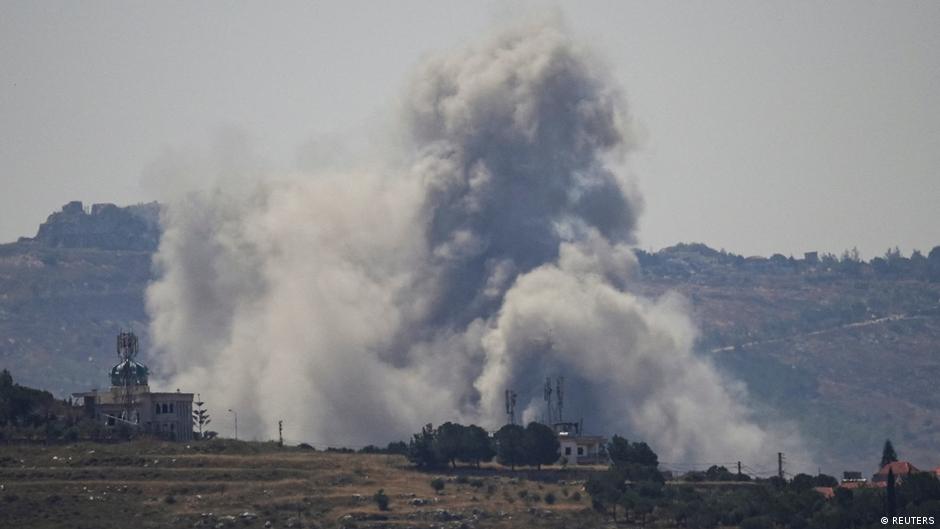
The security situation across the Middle East remains volatile as of June 8, 2026, with Israel engaged in active conflict across multiple fronts. Following a renewed cycle of missile attacks involving Iran and regional proxies, the Israeli government and military leadership are recalibrating their defensive and offensive strategies, rejecting attempts to establish new military equations that would limit their operational freedom in Lebanon and beyond.
The current escalation marks a significant departure from previous periods of relative stability. According to reports from the region, Israel has conducted strikes against Iranian military and fuel infrastructure, while simultaneously facing missile barrages from Iranian territory, Hezbollah in Lebanon, and the Houthis in Yemen. These developments have forced local authorities to implement emergency measures, including the relocation of hospital operations to underground facilities to protect patients and staff from ongoing missile threats.
Regional Tensions and the Shift in Military Strategy
The conflict has expanded into an active four-front struggle for Israel, involving direct engagement with the Islamic Republic of Iran alongside long-standing friction with Hezbollah and the Houthis. Military analysts observe that the current exchange of fire, which saw Iran launch missiles at Israel for the first time in two months, represents a broader effort by regional actors to test Israeli defensive thresholds. Israeli officials have maintained a firm stance against these incursions, signaling that they will not accept new rules of engagement that constrain their ability to strike targets deemed essential to their national security.
This rejection of “new military equations” is particularly focused on the northern front. The Israel Defense Forces (IDF) recently disclosed the discovery of a sophisticated command tunnel network attributed to Hezbollah near Beaufort in southern Lebanon, highlighting the persistent threat posed by the group’s infrastructure. The ongoing military operations are occurring against a backdrop of intense diplomatic pressure, with international figures calling for an immediate cessation of hostilities to prevent further regional destabilization.
Economic and Social Impact
The human and economic costs of the fighting are becoming increasingly visible. In the domestic sphere, the instability has manifested in market volatility; for instance, Tel Aviv shares have experienced a decline, and the shekel has weakened against the dollar as the conflict with Iran resumed. The social fabric is also under strain, with reports of violent incidents in northern Arab towns, including the recent killing of two individuals in Umm al-Fahm.
The broader regional impact is characterized by mass mobilization and public rhetoric. In Tehran, pro-government rallies have followed the renewed missile attacks, reflecting the entrenched nature of the current standoff. Meanwhile, in Turkey, government officials have issued aggressive statements regarding the status of Jerusalem, further complicating the diplomatic environment. These events are unfolding as Egypt facilitates new rounds of talks, though progress remains hampered by the intensity of the ongoing military exchanges.
The Path Forward: Diplomatic and Military Uncertainty
The international community is closely watching the coordination between the United States and Israel. Recent reports indicate that the U.S. remains engaged in discussions with Iran regarding nuclear terms, even as political figures have publicly urged Israeli leadership to avoid further retaliation to prevent a wider conflagration. The internal political landscape in Israel is also shifting, as debates over the management of the conflict and the handling of the October 7 investigation continue to create friction between government and opposition factions.
As of June 8, 2026, the situation remains highly fluid. The next critical checkpoint for the region involves the outcome of the ongoing diplomatic talks hosted by Egypt and the potential for a de-escalation in missile exchanges. For those tracking the situation, official updates from the IDF and statements from the Prime Minister’s office remain the most reliable sources for information regarding tactical shifts and changes in home-front safety guidelines.
We will continue to monitor these developments as they unfold. We invite our readers to share their perspectives in the comments section below and stay tuned for further updates as verified information becomes available.