In a significant escalation that threatens a fragile peace, Israeli forces carried out a precision airstrike on the southern suburbs of Beirut on Tuesday, May 6, 2026. The operation targeted and reportedly assassinated Malek Balou, a high-ranking commander within Hezbollah’s elite Radwan Force, marking the first time Israel has struck the Lebanese capital since a ceasefire agreement took effect in mid-April.
The strike, which hit the Ghobeiri area, sent shockwaves through the region, as it represents a direct breach of the territorial constraints established during the recent truce. The operation was confirmed by Israeli Prime Minister Benjamin Netanyahu, who framed the assassination as a necessary measure to protect northern Israeli settlements from ongoing threats posed by Hezbollah’s specialized offensive units.
This targeted killing occurs amidst a backdrop of mounting tension, with both Israel and Hezbollah trading accusations of ceasefire violations since the truce went into force on April 17. The strike on Ghobeiri—a predominantly Shia stronghold—signals that Israel remains committed to a strategy of “targeted prevention,” pursuing high-value military targets regardless of the diplomatic status of the broader conflict.
For the residents of Beirut and the international community, the attack raises urgent questions about the viability of the current ceasefire. With the Radwan Force being Hezbollah’s most capable offensive wing, the removal of a commander like Malek Balou is a clear signal of Israel’s intelligence capabilities and its willingness to risk a return to full-scale hostilities to degrade Hezbollah’s leadership structure.
Precision Strike in Ghobeiri: The Details of the Attack
The Israeli airstrike took place on May 6, 2026, targeting the Ghobeiri neighborhood in Beirut’s southern suburbs. According to Lebanon’s state-run National News Agency, Israeli warplanes launched the attack, resulting in a loud explosion and extensive damage to the immediate area. The precision of the strike suggests a high level of intelligence regarding the target’s real-time location within the densely populated urban center.
Israeli Prime Minister Benjamin Netanyahu and Defence Minister Israel Katz reportedly instructed the military to carry out the operation. In a post on Telegram, Netanyahu justified the attack by linking the Radwan Force to direct aggression against Israeli civilians and military personnel. “Radwan terrorists are responsible for shooting at Israeli settlements and harming [Israeli army] soldiers,” Netanyahu stated. “No terrorist has immunity – Israel’s long hand will catch every enemy and murderer.”
The strike’s timing is particularly volatile. By hitting the southern suburbs, Israel has entered a zone that had been relatively quiet since the April 17 truce. The operation underscores a persistent Israeli military doctrine: that tactical assassinations of “ticking bombs”—individuals planning immediate attacks—do not constitute a violation of a ceasefire if the target is deemed an active threat to national security.
Netanyahu further emphasized the government’s commitment to its citizens in the north, adding, “We promised to bring security to the residents of the north – What we have is how we do it and this is how we will continue to do it!” This rhetoric aligns with domestic pressure within Israel to ensure that any ceasefire does not allow Hezbollah to rebuild its command structure or maintain its presence near the border.
Understanding the Target: Who is Malek Balou and the Radwan Force?
The target of the strike, Malek Balou, served as a commander of the Radwan Force, Hezbollah’s most elite military unit. To understand the significance of this assassination, one must understand the role of the Radwan Force within Hezbollah’s broader strategic framework. Named after Mustafa Badreddine, a high-ranking Hezbollah official, the Radwan Force is a specialized offensive wing trained specifically for cross-border incursions into Israel.
Unlike Hezbollah’s standard rocket artillery units, the Radwan Force is composed of highly trained operatives capable of infiltrating territory, conducting sabotage, and seizing strategic points. They are widely considered the “spearhead” of any potential ground invasion into northern Israel. By targeting a commander of this unit, Israel is not merely removing a soldier, but is attempting to disrupt the operational planning and leadership of Hezbollah’s most dangerous tactical asset.
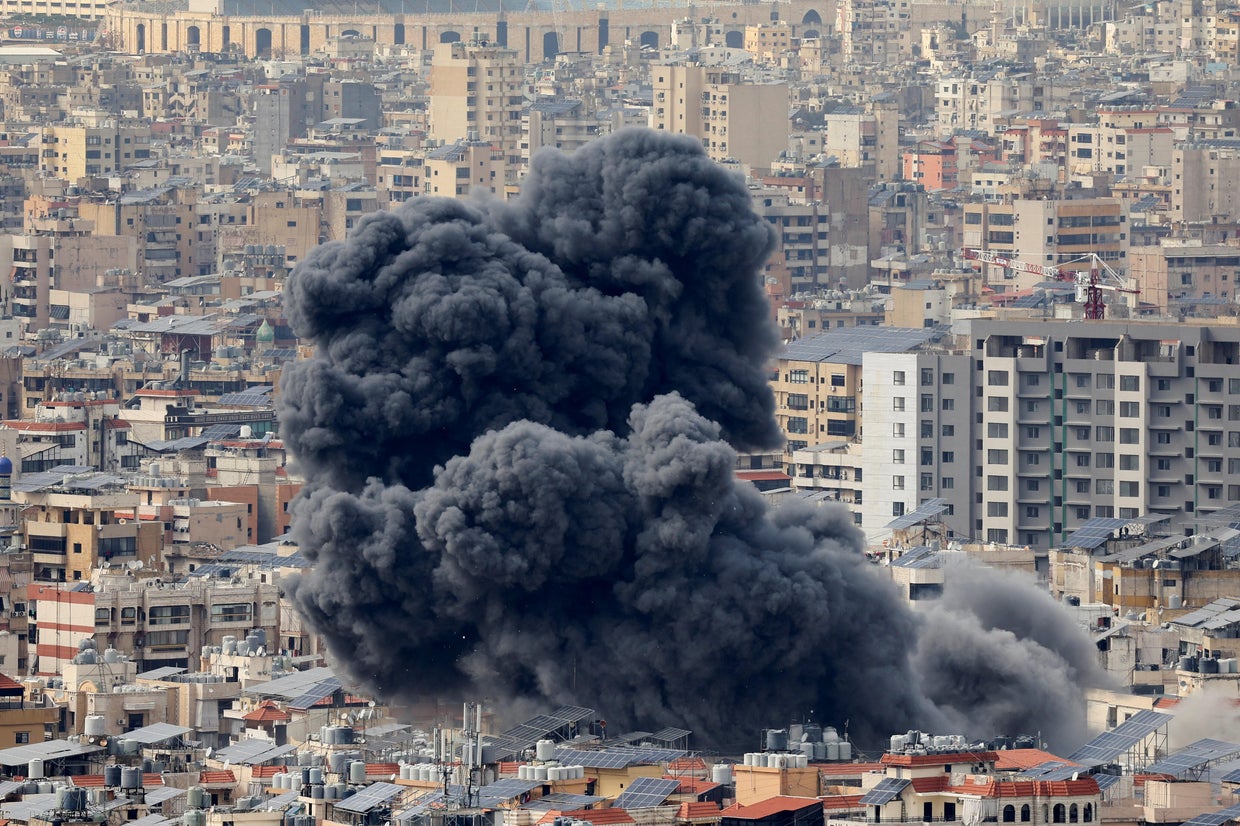
The assassination of Malek Balou is part of a broader pattern of Israeli efforts to decapitate Hezbollah’s military hierarchy. By removing experienced commanders, the Israel Defense Forces (IDF) aim to create a leadership vacuum, sow confusion among the rank-and-file, and degrade the group’s ability to execute complex offensive operations. This strategy of “attrition from the top” has been a cornerstone of Israeli defense policy throughout the conflict.
Even as Hezbollah has not yet officially responded to the claims regarding Balou’s death, the group’s typical pattern suggests a period of internal assessment followed by either a retaliatory strike or a calculated diplomatic response to avoid a total collapse of the ceasefire. However, the loss of a Radwan commander is a significant blow to the group’s prestige and its perceived deterrence capabilities.
A Fragile Peace: The April 17 Truce and Its Violations
The strike on May 6 is the first major attack on Beirut since the Israel-Hezbollah war truce entered into force on April 17. This agreement was intended to halt the cycle of violence that had displaced tens of thousands of people on both sides of the border and caused significant casualties.
Since the truce began, the situation has been characterized by “grey zone” warfare—actions that stop short of full-scale combat but violate the spirit, and often the letter, of the agreement. Both Israel and Hezbollah have traded accusations of violations. Israel has frequently claimed that Hezbollah continues to build infrastructure and move operatives closer to the “Blue Line” (the UN-recognized border), while Hezbollah has accused Israel of conducting surveillance flights and targeted strikes in Lebanese territory.
The assassination of Malek Balou represents a transition from covert violations to overt military action in the heart of Lebanon’s capital. This escalation suggests that the truce is currently functioning more as a tactical pause than a sustainable political settlement. For the international community, particularly mediators from the United States and France, this development complicates efforts to solidify a long-term peace agreement.
The fragility of the April 17 agreement is exacerbated by the internal political pressures facing both Benjamin Netanyahu and the leadership of Hezbollah. Netanyahu must balance the require for regional stability with a domestic mandate to “eliminate” the threat of Hezbollah. Conversely, Hezbollah must maintain its image as the “defender of Lebanon” without triggering a catastrophic Israeli invasion that could dismantle its entire infrastructure.
Regional Implications: What Happens Next?
The strike in Beirut’s southern suburbs has immediate implications for the stability of the Levant. The primary concern is whether Hezbollah will respond with a symmetrical strike—targeting an Israeli city or a high-ranking official—which could trigger a rapid spiral back into total war. Historically, Hezbollah has balanced its responses to avoid giving Israel a pretext for a wider offensive, but the targeting of a Radwan commander is a high-profile loss that may demand a public response.
the role of regional backers, particularly Iran, remains critical. As the primary sponsor of Hezbollah, Tehran’s reaction to the assassination of a Radwan commander will influence whether the conflict remains localized or expands. If Iran views the strike as a signal that Israel is ignoring the ceasefire to systematically dismantle Hezbollah’s elite units, it may increase its support or encourage more aggressive tactics from its proxies in the region.
From a strategic standpoint, Israel is signaling that its definition of “security” overrides the constraints of the current truce. By targeting the Radwan Force in Beirut, Israel is communicating that no location in Lebanon is off-limits if a high-value target is present. This “long arm” strategy is intended to keep Hezbollah leadership in a state of constant insecurity, potentially forcing them to make concessions in future negotiations.
The international community now faces the challenge of preventing this incident from becoming the catalyst for a modern wave of violence. The focus will likely shift toward diplomatic efforts to reaffirm the terms of the April 17 agreement and establish a more robust monitoring mechanism to prevent future violations.
Key Takeaways
- Target: Malek Balou, a commander of Hezbollah’s elite Radwan Force, was killed in an Israeli airstrike.
- Location: The strike occurred in the Ghobeiri neighborhood of Beirut’s southern suburbs on May 6, 2026.
- Truce Status: This is the first attack on Beirut since the ceasefire went into effect on April 17.
- Israeli Justification: PM Benjamin Netanyahu cited the Radwan Force’s responsibility for attacks on Israeli settlements and soldiers.
- Strategic Goal: The operation aims to degrade Hezbollah’s offensive capabilities and disrupt its elite command structure.
The next critical checkpoint will be the official response from Hezbollah, which is expected to clarify the status of Malek Balou and determine if the group will seek retaliation. Simultaneously, diplomatic channels are expected to intensify as international mediators attempt to prevent a full-scale collapse of the ceasefire agreement.
World Today Journal will continue to monitor this developing story. We invite our readers to share their perspectives on the stability of the region in the comments below and share this report to keep others informed.
- Severe Storm Hits Vilnius: Heavy Rain, Lightning, and Flight Disruptions
- European Parliament Calls for Investigation Into FIFA President Gianni Infantino
- Hamas Agrees to Disarm in Gaza Amid Ceasefire and Withdrawal Demands (newsdirectory3.com)
- The Congressional Review Act, Explained: How Congress Kills Federal Rules (daybreakwire.com)