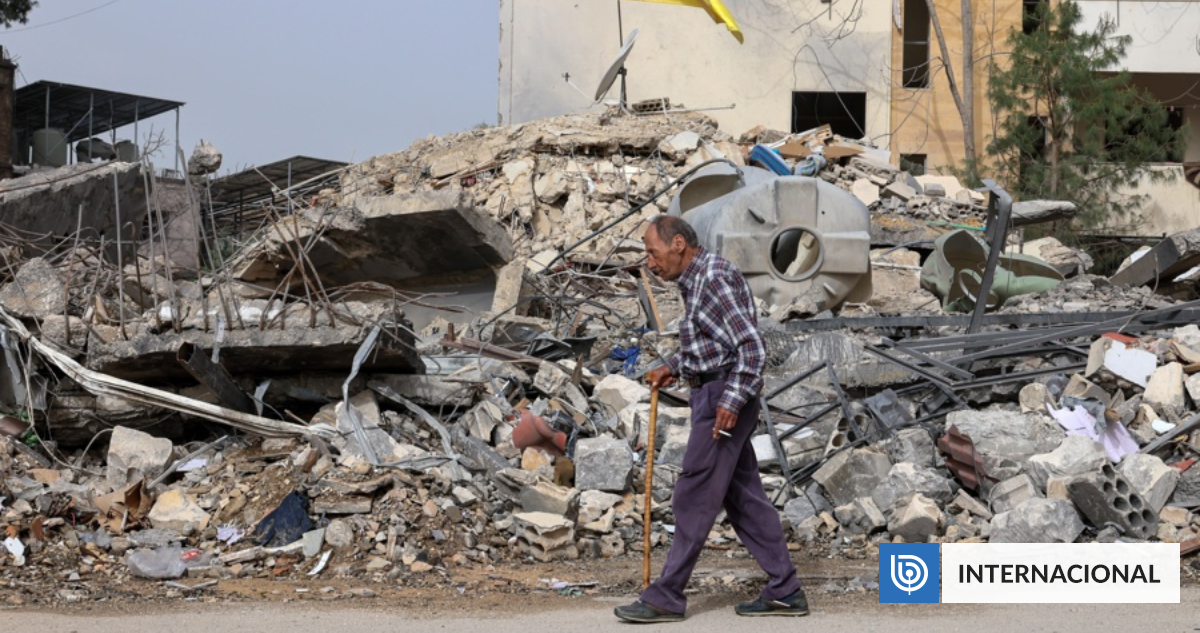
Israel has acknowledged carrying out multiple strikes against targets in Lebanon since the implementation of a ceasefire agreement that began on November 27, 2023, according to statements from Israeli military officials. The admissions come amid growing international concern over the durability of the truce, which was brokered by the United States and France to halt hostilities between Israeli forces and Hezbollah following weeks of intense cross-border exchanges. While the ceasefire initially brought a noticeable reduction in violence along the Israeli-Lebanese border, recent developments suggest the agreement remains fragile, with both sides accusing each other of violations that threaten to reignite broader conflict.
The Israeli Defense Forces (IDF) confirmed through official channels that its aircraft conducted several operations in southern Lebanon targeting what it described as Hezbollah infrastructure, including weapons storage facilities and observation posts. These actions, the IDF stated, were carried out in response to what it characterized as ongoing threats emanating from Lebanese territory, despite the ceasefire holding in principle. Lebanese authorities and UN peacekeepers stationed along the Blue Line have reported increased aerial activity and explosions in border villages, prompting renewed calls for restraint and strict adherence to the terms of the agreement. The situation underscores the challenges of maintaining de-escalation in a region where mistrust runs deep and intelligence assessments often diverge.
The ceasefire, formally known as the Understanding Between Israel and Lebanon on the Cessation of Hostilities, was announced on November 26, 2023, and took effect the following morning. It was designed to halt all offensive military operations by both sides, allow for the safe return of displaced civilians, and establish a framework for further negotiations under international supervision. The agreement included specific provisions regarding the withdrawal of forces from border areas, the cessation of rocket fire and aerial incursions, and the role of the Lebanese Armed Forces in maintaining security in southern Lebanon with support from the United Nations Interim Force in Lebanon (UNIFIL). As of late December 2023, UNIFIL reported that while the majority of villages along the blue line had seen a return of residents, intermittent violations continued to be documented by its patrols.
Israeli Military Justifies Strikes as Preventive Measures
Israeli officials have maintained that the strikes conducted since the ceasefire began were necessary to prevent imminent attacks, citing intelligence indicating Hezbollah was attempting to replenish its arsenal and rebuild command structures in southern Lebanon. In a press briefing on December 12, 2023, IDF spokesperson Rear Admiral Daniel Hagari stated that Israeli forces had targeted “clear violations” of the ceasefire by Hezbollah, including the movement of precision-guided missiles and the reactivation of underground infrastructure near border villages. He emphasized that Israel would not hesitate to act if it detected efforts to rearm or reposition forces capable of launching rockets into northern Israel.
These assertions have been met with skepticism by Lebanese officials and international observers, who argue that Israel’s actions risk undermining the very mechanism meant to prevent escalation. Lebanese caretaker Prime Minister Najib Mikati condemned the strikes as “clear violations of sovereignty and the ceasefire agreement,” urging the international community to hold Israel accountable. The Lebanese government has formally protested through diplomatic channels, including notifications to the UN Security Council and the chair of the France-U.S. Mediation committee. Meanwhile, Hezbollah has not publicly claimed responsibility for specific attacks during this period but has reiterated its right to resist what it describes as ongoing Israeli aggression.
Independent verification of the exact number and nature of Israeli strikes remains challenging due to limited access to conflict zones and the fog of war. But, satellite imagery analyzed by independent researchers and reported by outlets such as BBC Arabic has shown signs of recent damage to structures in villages like Kfar Kila and Maroun al-Ras, areas previously identified as Hezbollah strongholds. While such evidence supports claims of Israeli activity, it does not independently confirm the intent or timing of the strikes relative to the ceasefire’s onset. Analysts at the International Institute for Strategic Studies have noted that without transparent data from both sides, assessments of compliance remain inherently contested.
UNIFIL Reports Increased Tensions Along Blue Line
The United Nations Interim Force in Lebanon (UNIFIL) has documented a rise in incidents along the Blue Line since the ceasefire began, including aerial overflights, explosions near patrol bases, and instances of gunfire originating from both sides of the border. In its monthly report released on December 20, 2023, UNIFIL stated that while the cessation of major hostilities had largely held, there had been “a concerning uptick in lower-level violations” that required urgent diplomatic engagement to prevent deterioration. The force recorded over 30 instances of Israeli aircraft crossing into Lebanese airspace and more than 15 explosions detected in southern Lebanon that were attributed to Israeli strikes, based on trajectory and timing analysis.
UNIFIL has repeatedly urged both parties to respect the cessation of hostilities and to use existing communication channels to de-escalate tensions. The force operates a liaison mechanism designed to allow rapid clarification of incidents, but officials have acknowledged that delays in response and conflicting narratives have sometimes hindered its effectiveness. Despite these challenges, UNIFIL continues to patrol the border area and assist in clearing unexploded ordnance, efforts critical to enabling the safe return of the estimated 80,000 Lebanese civilians who were displaced during the height of the conflict in October and November 2023.
The situation has drawn attention from global leaders concerned about the potential for a wider regional confrontation, particularly given the ongoing war in Gaza and heightened tensions involving Iran-backed groups across the Middle East. U.S. Secretary of State Antony Blinken has reiterated Washington’s commitment to the ceasefire, stating in a press conference on December 18, 2023, that “the United States will continue to work with our partners to ensure this agreement holds and that both sides refrain from actions that could reignite fighting.” French officials have echoed this stance, emphasizing the importance of preserving the diplomatic breakthrough achieved after months of shuttle diplomacy.
Humanitarian Impact and Displacement Concerns
Although the ceasefire has allowed many displaced Lebanese to return to their homes in southern Lebanon, humanitarian organizations warn that lingering insecurity and the threat of renewed violence continue to impede full recovery. The Lebanese Red Cross reported in late December 2023 that while over 60% of displaced families had returned to their villages of origin, many remained hesitant due to fears of further strikes or unexploded ordnance left behind from earlier bombardments. Infrastructure damage, particularly to power and water systems in border towns, has also slowed the pace of return, with some areas reporting only intermittent access to essential services.
In northern Israel, communities near the Lebanese border have similarly expressed anxiety about the durability of the calm. Residents of towns like Metula and Kiryat Shmona have described living under constant alert, with sirens and drone activity triggering memories of the intense rocket barrages witnessed in October. Local councils have called for increased investment in civil defense systems and clearer communication from military authorities about threat assessments. The psychological toll on populations on both sides of the border remains a significant but often overlooked consequence of the intermittent violence.
International aid agencies, including the World Food Programme and UNHCR, have maintained a presence in the region to support vulnerable populations, though access has occasionally been restricted due to security concerns. Funding for reconstruction efforts in southern Lebanon remains uncertain, with donors citing the need for a stable security environment before committing to large-scale rebuilding programs. The World Bank has estimated that initial recovery needs could exceed $500 million, particularly for housing, healthcare, and municipal services in the most affected districts.
Path Forward Depends on Mutual Restraint
The future of the Israel-Lebanon ceasefire hinges on whether both sides can adhere to its terms and resist the temptation to exploit perceived vulnerabilities. Mediators from the United States and France continue to engage behind the scenes, using diplomatic channels to address complaints and prevent misunderstandings from escalating. However, the absence of a formal monitoring mechanism with enforcement capabilities means that compliance ultimately depends on political will and mutual restraint — factors that have proven elusive in past attempts to stabilize the border.
Analysts at Chatham House have warned that without a broader political settlement addressing the root causes of tension — including Hezbollah’s armament, Israel’s security concerns, and the lack of a comprehensive Lebanese state presence in the south — any ceasefire remains susceptible to breakdown. They suggest that confidence-building measures, such as joint inspections or phased withdrawals verified by third parties, could assist build trust over time. For now, the immediate priority remains preventing further violence and preserving the space for diplomacy to take hold.
As of early January 2024, no major violations have been reported that would constitute a clear collapse of the agreement, but the pattern of reciprocal accusations and limited military actions suggests the situation remains tense. Both Israeli and Lebanese officials have indicated a willingness to continue dialogue, though deep-seated distrust persists. The next key development to watch will be the release of UNIFIL’s next monthly report, expected in late January, which will provide updated data on violations, patrols, and humanitarian conditions along the Blue Line.
For ongoing updates on the Israel-Lebanon ceasefire and related developments, readers are encouraged to consult official statements from the Israeli Defense Forces, the Lebanese Ministry of National Defense, and the United Nations Interim Force in Lebanon. Sharing informed perspectives helps foster a more nuanced understanding of complex global events.
Keep reading
- حطام فضائي بحجم 5 سنتيمترات يهدد أقماراً صناعية – صحيفة الخليج
- Strasbourg await Roma’s official offer for Diego Moreira | OneFootball
- U.S. Confirms Israel Sent Iron Dome to UAE for Iranian Missile Defense (archyworldys.com)
- US Strikes Iran After Strait of Hormuz Closure and Ship Attacks (archynewsy.com)