Gaza aid Access: israel Opens zikim Crossing - A Critical Step, But Is It Enough?
Is the recent opening of the Zikim crossing a genuine turning point for humanitarian aid reaching Gaza? For weeks, the north of the gaza Strip has faced dire conditions, teetering on the brink of famine. now, Israel has announced the reopening of this key access point, alongside the already operational Kerem Shalom crossing in the south.But what does this really mean for the people in need, and what challenges remain? This article dives deep into the implications of this development, offering a thorough look at the situation on the ground.
A Lifeline to Northern Gaza Reopens
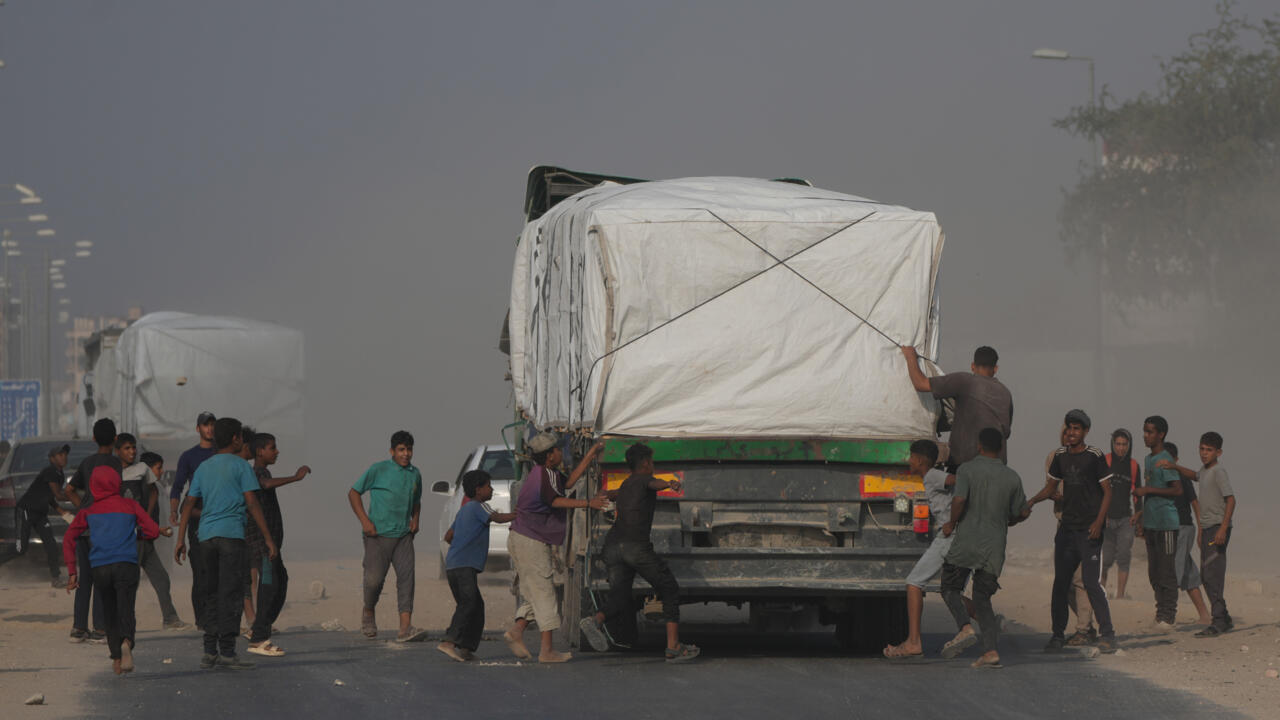
On Wednesday,November 12th,Israeli authorities announced the opening of the Zikim crossing to facilitate the entry of humanitarian aid. This aid, supplied by the United Nations and othre international organizations, is desperately needed in northern Gaza, a region largely cut off from assistance since September 12th. COGAT, the Israeli defense ministry body overseeing civilian affairs in the Palestinian territories, stated the crossing will remain “permanently” open, mirroring the status of Kerem Shalom.
This is a significant development. Prior to this, aid delivery to the north was severely hampered, exacerbating an already catastrophic situation. The UN’s World Food Program had been unable to collect cargo in the area for over a month.
Security Checks and the Roadblocks to Relief
While the opening is a positive step, it’s not a simple solution. All humanitarian aid entering Gaza through Zikim will be subject to standard Israeli security checks. This process, while intended to ensure security, has historically been a major bottleneck, considerably slowing down the delivery of essential supplies.
Moreover, even after clearing security, getting aid to those who need it most presents considerable challenges. The ongoing conflict has decimated Gaza’s infrastructure, making distribution incredibly difficult.The risk of looting also complicates matters, diverting aid from its intended recipients.
Why This Matters: The Scale of the Crisis
The situation in northern Gaza is particularly acute.The UN-backed Integrated Food Security Phase Classification Initiative (IPC) confirmed famine conditions in the region as early as august – a claim contested by COGAT.Regardless of differing assessments, the need is undeniable.
The UN’s Office for the Coordination of Humanitarian Aid (OCHA) has repeatedly emphasized the vital importance of direct crossings to the north to ensure sufficient aid reaches the population quickly.Without consistent and unimpeded access, the humanitarian crisis will only deepen.
Are these crossings enough to avert disaster? That remains to be seen.
Evergreen Insights: The Complexities of Humanitarian Aid in Conflict Zones
Delivering aid in conflict zones is always a complex undertaking. It’s a delicate balance between security concerns, logistical challenges, and the urgent need to alleviate suffering. Here are some enduring factors to consider:
* Political Obstacles: Aid delivery is often entangled in political considerations, with access frequently used as leverage.
* Infrastructure Damage: Conflict invariably destroys critical infrastructure – roads, hospitals, warehouses – hindering distribution efforts.
* Security Risks: Aid workers face significant risks, including violence, kidnapping, and harassment.
* Coordination Challenges: Effective aid delivery requires seamless coordination between multiple actors – governments, UN agencies, NGOs, and local organizations.
* The Importance of Impartiality: Aid must be delivered based on need alone, without discrimination.
Frequently Asked questions About Gaza aid Delivery
1. What is the Zikim crossing and why is its opening important for Gaza? The Zikim crossing is a key land passage into northern Gaza.Its reopening provides a crucial new route for humanitarian aid to reach a region facing severe shortages, supplementing the existing Kerem Shalom crossing in the south.
2.Will aid flow freely through the Zikim crossing now? Not necessarily. While the crossing is intended to remain open permanently, all aid will still undergo israeli security checks, which have historically caused delays.
3. What are the biggest challenges to getting aid inside Gaza to the people who need it? Beyond border crossings, challenges include damaged infrastructure, the risk of looting, and the complexities of navigating a conflict zone.
4. What is COGAT’s role in the delivery of humanitarian aid to Gaza? COG
- Trump Announces Preliminary Deal for Hamas Disarmament and Israeli Withdrawal
- MEA Declines to Comment on Historic First Overseas Envoy Meeting
- Katarzyna Chrzanowska Opens Up About Her Husband’s Tragic Death and Her Own Near-Death Experience (world-today-news.com)
- Dream Industrial REIT Enters UK Multi-Let Market and Expands European Ventures (archyde.com)