:format(webp)/nginx/o/2026/05/13/17635570t1hd0c3.jpg)
In a move that has sent shockwaves through Middle Eastern geopolitics, Israel has officially confirmed the deployment of its advanced Iron Dome anti-missile defense system to the United Arab Emirates. The unprecedented transfer, announced by U.S. Ambassador to Israel Mike Huckabee on May 12, 2026, represents a landmark expansion of military cooperation between the two nations and underscores the deepening strategic alliance forged since the Abraham Accords.
The deployment comes as Iran’s regional aggression continues to escalate, with the UAE facing increased missile threats in recent weeks. While Israel has long maintained its Iron Dome system as a cornerstone of its own defense against Iranian-backed attacks, this marks the first known instance of the technology being utilized outside Israel’s borders. The move follows weeks of speculation about growing security cooperation between Tel Aviv and Abu Dhabi, with multiple media outlets reporting on the potential transfer in recent days.
Ambassador Huckabee’s remarks during an event in Tel Aviv provided the first official confirmation of the deployment, framing it as evidence of the “extraordinary relationship” between Israel and the UAE. “They were the first Abraham Accord member,” Huckabee stated, referring to the 2020 agreements that established formal diplomatic relations between Israel and several Arab states. “But look at the benefits that they have had as a result: Israel just sent them Iron Dome batteries and personnel to help operate them.”
The Strategic Implications of the Iron Dome Transfer
The Iron Dome system, developed by Israeli defense firm Rafael Advanced Defense Systems, has proven highly effective in intercepting short-to-medium range rockets and artillery shells. Funded by billions of dollars in U.S. Government assistance, the system has become a symbol of Israel’s technological prowess in missile defense. Its deployment to the UAE represents both a practical security measure and a symbolic gesture of solidarity between the two nations.
For the UAE, the arrival of Iron Dome batteries provides a critical layer of protection against the growing threat of Iranian missile strikes. In recent months, Iranian-backed proxies have increased their attacks across the Gulf region, with Kuwait reporting a foiled infiltration operation by Iran’s Islamic Revolutionary Guard Corps in April 2026. The Pentagon has also revised its estimated cost of the Iran war upward to $29 billion, reflecting the escalating regional conflict.
Analysts suggest the deployment could serve multiple strategic purposes. First, it provides tangible security benefits to the UAE, which has become a primary target for Iranian retaliation following its normalization with Israel. Second, it demonstrates to other Gulf states the concrete advantages of aligning with Israel in the face of Iranian aggression. Third, it reinforces the U.S. Position that its regional allies should present a unified front against Iranian expansionism.
How the Iron Dome System Works
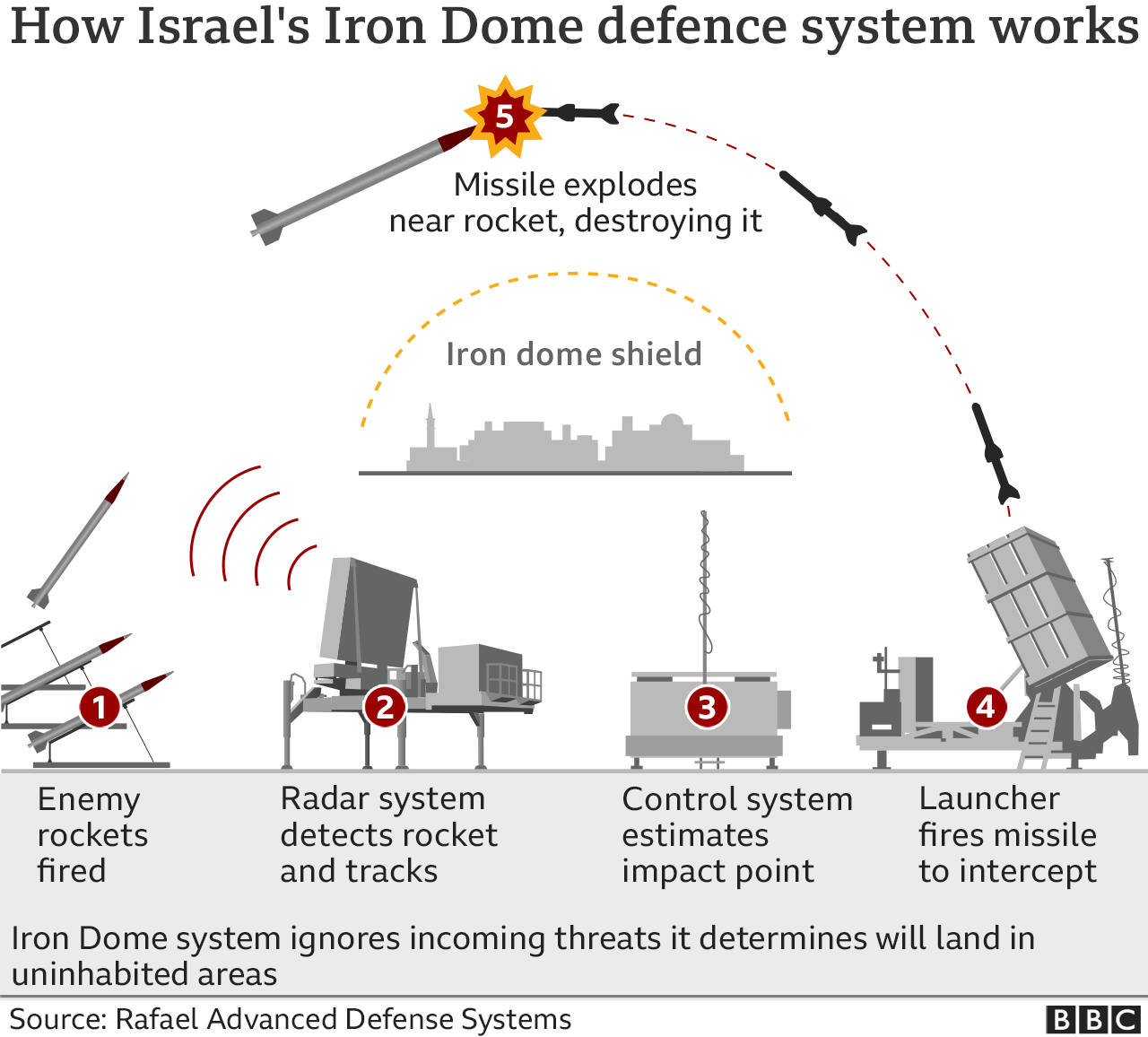
The Iron Dome system operates by detecting incoming rockets and artillery shells using a sophisticated radar network. When a threat is identified, the system calculates the trajectory and determines whether interception is necessary. If so, it launches interceptor missiles that detonate near the incoming projectile, creating a high-explosive effect that neutralizes the threat.
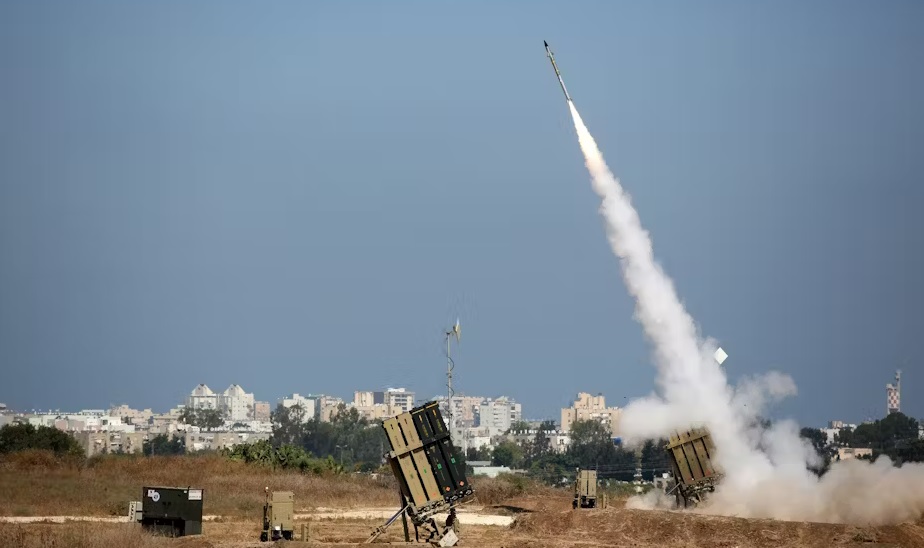
According to official Israeli Defense Forces data, the Iron Dome system has achieved an interception success rate of over 90% against rocket threats, significantly reducing casualties in areas under attack. The system’s effectiveness has made it a sought-after technology in global defense markets, though Israel has historically been reluctant to export it due to its sensitive nature.
Reactions from Regional Players
The announcement has sparked varied reactions across the Middle East. While Gulf states generally view the deployment as a positive development in their collective security efforts, some regional observers have expressed concerns about the potential for further militarization of the Abraham Accords.
In Lebanon, where Hezbollah maintains close ties with Iran, the deployment has been met with criticism. Local analysts suggest that Israel’s move could exacerbate tensions in southern Lebanon, where Hezbollah has increasingly targeted Israeli military positions. The Israeli military has warned that its operations in Lebanon are creating what it describes as a “lost generation” of Lebanese students, referring to the impact of prolonged conflict on education and civilian life.
Meanwhile, in Washington, the deployment has been welcomed as a demonstration of the effectiveness of the Abraham Accords framework. U.S. Officials have emphasized that the move aligns with their broader strategy of building a regional security architecture that counters Iranian influence.
What Happens Next?
As the deployment becomes operational, several key developments will shape the future of Israel-UAE defense cooperation:
- Operational Integration: Israeli personnel will work alongside Emirati forces to operate and maintain the Iron Dome batteries. The extent of this collaboration and whether it will include joint training exercises remains to be seen.
- Technological Transfer: While the initial deployment involves existing Iron Dome systems, there may be discussions about future transfers of more advanced missile defense technologies.
- Regional Security Architecture: The move could prompt other Gulf states to seek similar defense arrangements with Israel, potentially accelerating the militarization of the Abraham Accords framework.
- Iranian Response: Tehran may view the deployment as further evidence of a U.S.-Israel-Gulf alliance and could escalate its missile and proxy attacks in response.
The next official update on the deployment’s operational status is expected following the completion of the initial training phase, which U.S. Officials anticipate will take several weeks. Israel’s Ministry of Defense and the UAE’s National Media Office have not yet issued detailed statements on the technical specifications of the transferred systems or the exact locations of the deployed batteries.
Key Takeaways
- The deployment marks the first time Israel has transferred its Iron Dome missile defense system outside its borders, representing a historic escalation in military cooperation with the UAE.
- The move comes amid escalating tensions with Iran, with the UAE facing increased missile threats in recent months.
- U.S. Ambassador to Israel Mike Huckabee confirmed the deployment on May 12, 2026, framing it as evidence of the benefits of the Abraham Accords.
- The Iron Dome system has demonstrated over 90% effectiveness in intercepting rocket threats, providing a critical layer of protection for the UAE.
- The deployment could serve as a model for other Gulf states seeking to enhance their missile defense capabilities.
As this story develops, we will continue to monitor official statements from Israel, the UAE, and the United States regarding the operational details and broader implications of this defense partnership. In the meantime, we encourage readers to share their perspectives on how this development may impact regional security dynamics in the comments section below.
For the latest updates on this story, visit our dedicated coverage page on Israel-UAE defense cooperation.