
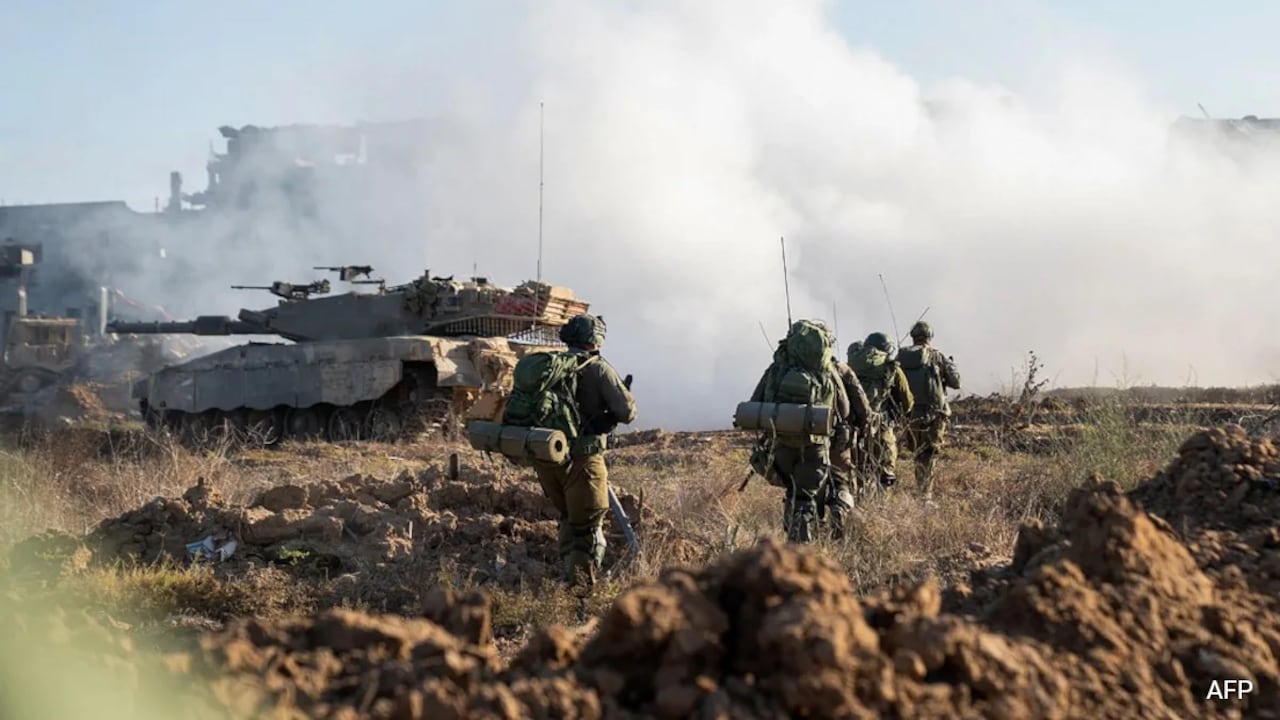
The Israeli military has authorized its ground forces to operate with broad operational latitude to eliminate threats in Lebanon, citing a sharp increase in cross-border hostilities. According to statements from the Israel Defense Forces (IDF), these measures are a direct response to a series of projectiles fired by Hezbollah—an Iran-backed militant group—at Israeli positions along the northern frontier. Israeli officials have characterized these strikes as targeted operations aimed at dismantling the group’s infrastructure and neutralizing immediate threats to civilian and military personnel in the region.
This escalation follows months of intermittent fire across the “Blue Line,” the UN-demarcated boundary between Israel and Lebanon. On September 24, 2024, the Israeli military confirmed it was launching extensive aerial operations against Hezbollah targets, marking one of the most intense periods of combat since the 2006 Lebanon War, as reported by Reuters. The situation remains volatile, with both sides exchanging fire as regional and international observers urge de-escalation to prevent a wider conflict in the Middle East.
Operational Mandate and Military Strategy
The directive allowing soldiers to act against perceived threats in Lebanon is framed by the IDF as a defensive necessity. Israeli officials, including Defense Minister Yoav Gallant, have indicated that the military is focused on degrading the capability of Hezbollah to launch attacks into northern Israel. The IDF has utilized precision airstrikes to target weapons caches, rocket launchers, and command centers that officials allege are embedded within civilian areas in southern Lebanon, according to the Times of Israel.
Strategic analysts note that this approach represents a shift from containment to active disruption. By targeting the group’s logistics and personnel, Israel aims to create a security buffer that would allow for the return of displaced residents to northern Israeli communities. The military maintains that these operations are localized, yet the proximity to densely populated civilian zones has drawn significant concern from international humanitarian organizations regarding the risk of collateral damage.
The Regional Context of Iran-Backed Militancy
Hezbollah, which maintains a significant presence in Lebanon, operates with material and political support from Tehran. The group began firing rockets into northern Israel in October 2023, stating that its actions were in solidarity with Hamas in the Gaza Strip. This long-standing alliance is a central factor in Israel’s current military doctrine, which views Hezbollah as a proxy force capable of threatening Israel’s northern flank, as detailed in reports by the BBC.
The persistent threat of rocket fire has forced tens of thousands of residents on both sides of the border to evacuate their homes. According to the United Nations Office for the Coordination of Humanitarian Affairs (OCHA), the cross-border violence has resulted in thousands of internal displacements, with both Israeli and Lebanese officials reporting significant damage to infrastructure in border villages. The international community, including the United States and France, continues to engage in diplomatic efforts to negotiate a ceasefire, though progress has been stalled by the hardening positions of both belligerents.
What Comes Next for Border Security
The immediate outlook for the region remains tied to the intensity of the ongoing military exchange. Israel’s security cabinet has signaled that it will continue its current operations until the threat to northern residents is significantly reduced. Meanwhile, Hezbollah has vowed to continue its resistance, framing its actions as a defense of Lebanese sovereignty against Israeli incursions. The next major checkpoint will likely be the outcome of ongoing mediation efforts led by regional intermediaries, as well as any potential shift in the scope of Israeli ground operations, which remain a point of intense speculation among defense analysts.
For those tracking the developments, official updates on the security situation are provided regularly by the Israel Defense Forces, while the humanitarian impact is monitored by the United Nations. As the situation evolves, the potential for further escalation remains high, and international observers advise following updates from verified news outlets for real-time reporting on border developments. We encourage our readers to share their perspectives on these complex geopolitical developments in the comments section below.