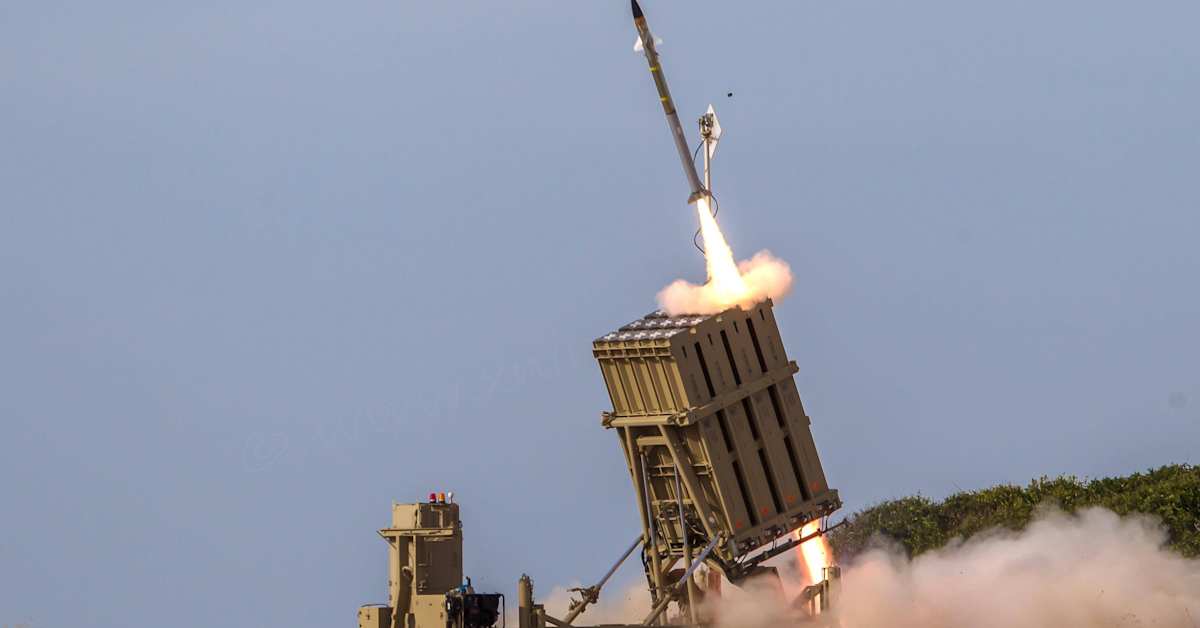
During the ongoing conflict between Israel and Iran, defense cooperation between Israel and the United Arab Emirates has emerged as a notable development, according to regional security analyses. While specific details about arms transfers remain limited in public sources, the broader context of Israel-UAE security ties has evolved significantly since the normalization of relations under the Abraham Accords in 2020. This cooperation has included intelligence sharing, joint military exercises, and collaboration on missile defense systems, particularly in response to shared regional threats.
The UAE has invested heavily in advanced defense capabilities in recent years, acquiring systems such as the U.S.-made Terminal High Altitude Area Defense (THAAD) and seeking to enhance its air defense network amid rising tensions in the Gulf. Israel, for its part, possesses sophisticated air defense technologies including the Iron Dome, David’s Sling, and Arrow systems, which have been operational during recent escalations with Iran. Analysts have noted that interoperability between Israeli and Emirati defense systems could strengthen collective deterrence against aerial threats, including drones and ballistic missiles.
Reports from early 2024 indicated increased coordination between Israeli and Emirati military officials, particularly following Iran’s April 2024 drone and missile strike on Israel, which was largely intercepted by Israeli and allied defenses. While no official confirmation has been issued by either government regarding the transfer of Israeli air defense systems to the UAE during the current Iran-Israel conflict, defense experts suggest that such cooperation aligns with broader trends of Gulf states seeking to bolster their defenses through partnerships with technologically advanced militaries.
The Institute for National Security Studies (INSS) in Tel Aviv has documented Israel’s military operations in Iran under Operation Rising Lion, which began in mid-2025 and targeted missile and nuclear facilities. This campaign has been accompanied by heightened regional alertness, with Gulf states monitoring developments closely. The UAE, while maintaining a public stance of diplomatic engagement, has similarly participated in multilateral maritime security initiatives aimed at securing shipping lanes in the Strait of Hormuz, which Iran has periodically disrupted.
U.S. Defense officials have consistently emphasized the importance of regional alliances in countering Iranian influence, describing the Abraham Accords as a foundational element of a broader security architecture. In testimony before Congress in early 2025, senior Pentagon officials highlighted the role of Israeli-UAE cooperation in advancing integrated air and missile defense capabilities across the Middle East, though they did not disclose specific transfers of equipment.
As the conflict continues, analysts at international security institutes recommend monitoring official defense procurement announcements and joint exercise schedules for further evidence of deepening military ties. Neither Israel nor the UAE has publicly confirmed the delivery of specific air defense systems amid the current hostilities, and unverified claims circulating in media reports should be treated with caution until substantiated by authoritative sources.
For ongoing updates on regional defense developments, readers are encouraged to consult official statements from the Israel Defense Forces, the UAE Ministry of Defense, and verified reporting from international news agencies such as Reuters and the Associated Press.
Stay informed and join the conversation—share your thoughts in the comments below or connect with us on social media to discuss the evolving dynamics of Gulf security cooperation.