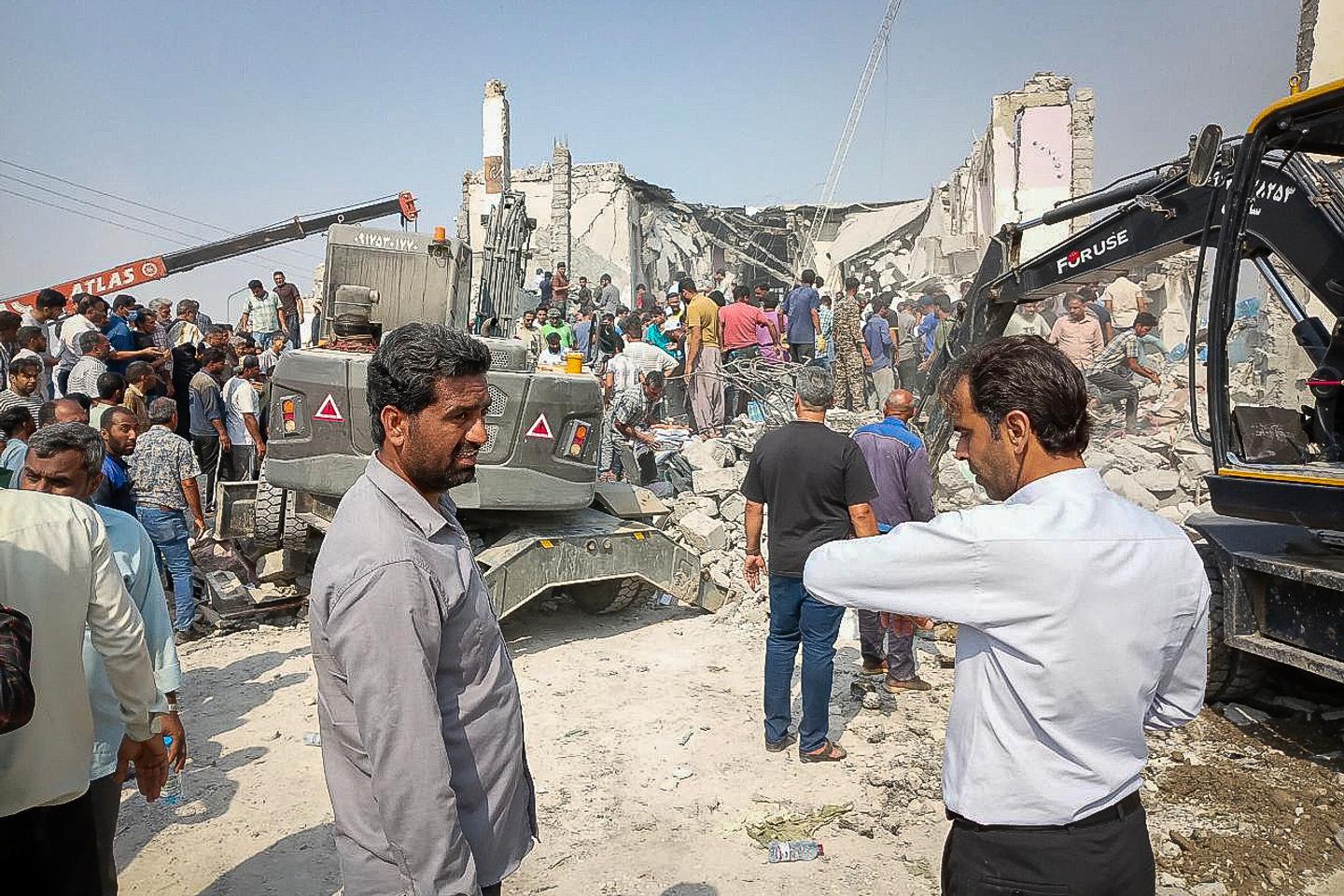
Escalating Tensions: US and Israeli Strikes Target Iran, Sparking Retaliation
The Middle East is bracing for further conflict following a day of escalating military actions. On Saturday, February 28, 2026, coordinated strikes by the United States and Israel targeted locations within Iran, prompting a swift response from Tehran. While the full extent of the damage and casualties remains unclear, initial reports indicate a significant exchange of fire and a growing humanitarian crisis. The situation is rapidly evolving, with international concerns mounting over the potential for a wider regional war. According to reports, the Iranian Red Crescent has reported at least 201 deaths and 747 injuries as a direct result of the strikes.
The coordinated offensive, dubbed “Fureur épique” by the US and “Lion rugissant” by Israel, represents a substantial escalation in the long-standing tensions between Iran and these two key allies. US President Donald Trump directly addressed the Iranian people, urging them to “seize power,” a statement likely to further inflame the situation. The strikes come amidst ongoing concerns over Iran’s nuclear program and its regional influence, though the specific targets of the attacks have not been fully disclosed. The immediate aftermath has seen disruptions to air travel, with Air France among the airlines cancelling flights to Tel Aviv and Beirut, and widespread closures of airspace across the region.
Initial Strikes and Iranian Response
The initial wave of strikes, launched early Saturday morning, reportedly targeted military infrastructure and strategic assets within Iran. The Israeli military announced that it had conducted what it described as “the largest air raid” in its history, involving approximately 200 combat aircraft targeting around 500 objectives. While the precise nature of these targets remains unconfirmed, reports suggest they included facilities linked to Iran’s military and nuclear programs. The US role in the operation, while confirmed, has been less detailed, with officials citing a focus on disrupting Iran’s ability to project power in the region.
In response to the attacks, Iran launched retaliatory missile strikes directed towards Israel and other countries in the region, including the United Arab Emirates, Qatar, and Bahrain. The extent of the damage caused by these strikes is currently being assessed, but reports indicate that several sites were hit. The Iranian response underscores the seriousness of the situation and the potential for a prolonged and escalating conflict. The Iranian government has characterized the strikes as a violation of its sovereignty and a threat to regional stability.

Regional and International Response
The international community is reacting with alarm to the escalating conflict. Several countries have issued statements calling for de-escalation and a return to diplomatic solutions. French Transport Minister Philippe Tabarot confirmed the closure of airspace in Israel, Iran, Iraq, Bahrain, Doha, Kuwait, and Qatar, with partial closures in Syria and the United Arab Emirates. This widespread disruption to air travel highlights the severity of the situation and the potential for broader regional instability. Multiple French airports, including Paris Roissy CDG, Orly, Nice, Lyon, Marseille, and Grenoble, are experiencing cancellations as a result.
The United States has reiterated its support for Israel’s right to defend itself, while also urging restraint and caution. However, the Biden administration faces a delicate balancing act, seeking to deter further escalation while maintaining its commitment to regional security. European Union officials have expressed deep concern over the developments and are calling for an emergency meeting to discuss the situation. The United Nations Security Council is also expected to convene in the coming days to address the crisis.

Humanitarian Concerns and Potential for Escalation
The immediate priority is addressing the growing humanitarian crisis within Iran. The reported casualties, including the 201 deaths and 747 injuries reported by the Iranian Red Crescent, underscore the devastating impact of the strikes on civilian populations. Access to medical care and essential supplies is becoming increasingly limited as the conflict intensifies. International aid organizations are preparing to provide assistance, but access to affected areas remains a significant challenge.
Looking ahead, the situation remains highly volatile. The potential for further escalation is significant, and the risk of a wider regional conflict cannot be ruled out. Diplomatic efforts to de-escalate the situation are ongoing, but the prospects for a swift resolution remain uncertain. The coming days will be critical in determining whether the region can avoid a prolonged and devastating war. Further updates are expected from the United Nations Security Council as they convene to discuss the crisis and potential resolutions.
Key Takeaways:
- Coordinated strikes by the US and Israel targeted Iran on February 28, 2026.
- Iran retaliated with missile strikes against Israel and other regional countries.
- Widespread airspace closures are disrupting air travel across the Middle East.
- The Iranian Red Crescent reports at least 201 deaths and 747 injuries.
- International efforts to de-escalate the situation are underway.
The situation is rapidly evolving. We will continue to provide updates as they become available. Share your thoughts and perspectives in the comments below.
Keep reading