
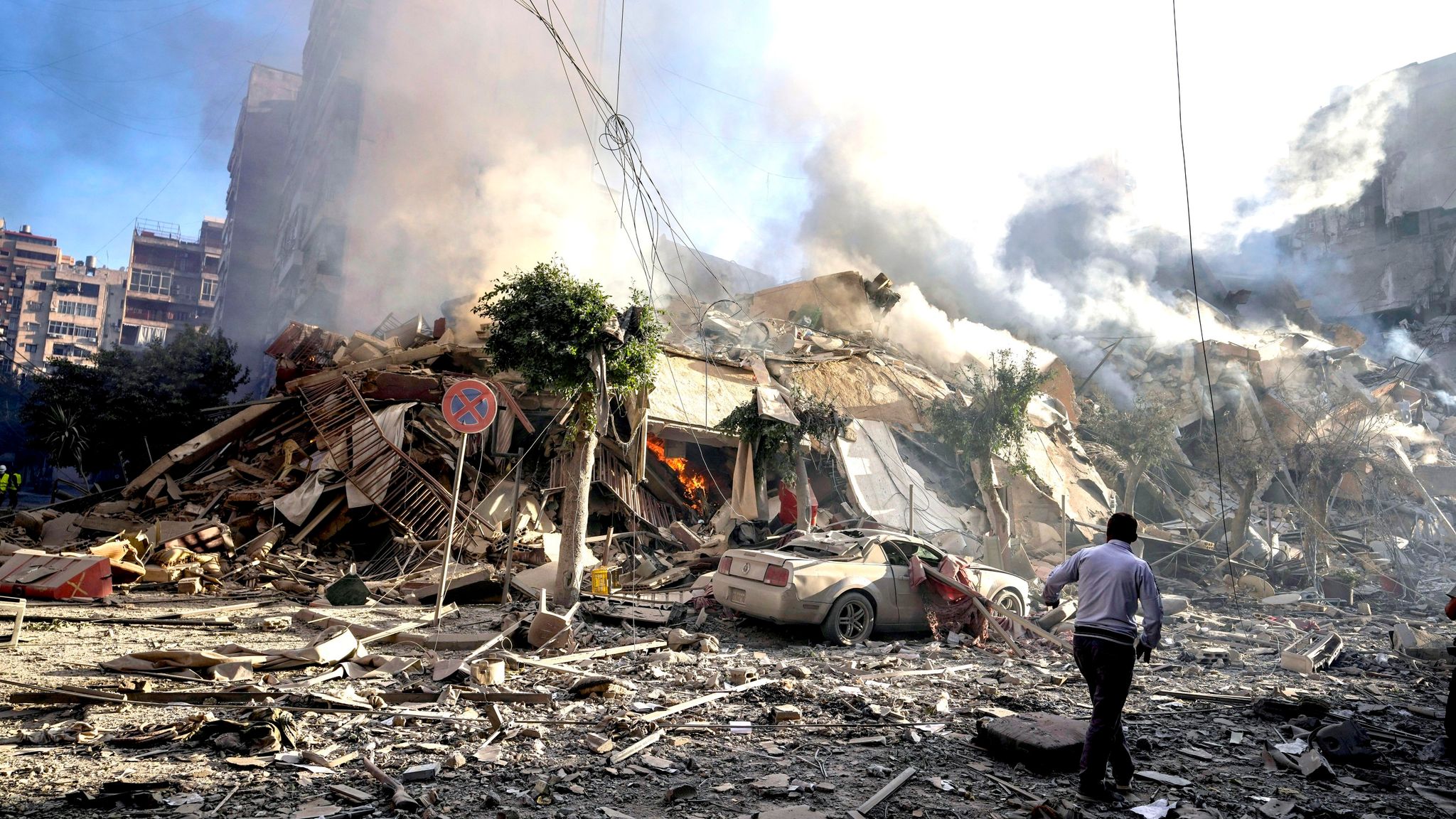
A recent Israeli airstrike in the southern suburbs of Beirut has intensified international concerns regarding the stability of fragile ceasefire negotiations between Israel and Hezbollah, as United Nations officials and diplomatic observers weigh the potential for regional escalation. According to reports from the United Nations, the strike has drawn sharp condemnation from the Secretary-General, who warned that such actions threaten to undermine ongoing efforts to restore a lasting peace along the Blue Line.
The incident, which occurred amidst a period of high-stakes diplomatic maneuvering, has complicated the narrative surrounding a proposed ceasefire agreement. While some political figures, including U.S. President-elect Donald Trump, have publicly expressed optimism regarding the proximity of a deal to bring peace to Lebanon, the reality on the ground remains volatile. As of late November 2024, the conflict has resulted in significant civilian displacement and infrastructure damage, with local authorities in Lebanon reporting at least one death and four injuries following the specific strike in the Dahiyeh district, as noted by Reuters.
Diplomatic Tension and the Ceasefire Framework
The core of the current diplomatic friction lies in the disconnect between high-level negotiations and persistent military operations. According to a report by The Associated Press, the United States has been facilitating talks aimed at securing a 60-day transition period, during which the Israeli military would withdraw from southern Lebanon and Hezbollah would move its forces north of the Litani River. This framework is intended to be monitored by an international committee led by the United States.

However, analysts observe that every military engagement in the capital serves as a potential “spoiler” for these agreements. The United Nations has consistently called for an immediate cessation of hostilities, emphasizing that the protection of civilians in densely populated urban areas like Beirut must remain a priority under international humanitarian law. The divergence between the optimistic rhetoric regarding a “very close” agreement and the tactical reality of continued airstrikes highlights the difficulty of aligning multiple stakeholders, including the Lebanese government, Hezbollah, and the Israeli security cabinet.
Impact on Regional Stability and Civilian Safety
The strike on the southern suburbs of Beirut, a known stronghold of Hezbollah, serves as a stark reminder of the limitations of current diplomatic leverage. According to the Office of the United Nations High Commissioner for Human Rights, the cumulative impact of the conflict on Lebanese infrastructure has been severe, with thousands of homes destroyed and a humanitarian crisis deepening as winter approaches. The organization has repeatedly urged all parties to adhere to the principles of distinction and proportionality.
For the residents of Beirut, the uncertainty is compounded by conflicting reports regarding the intent behind specific military actions. While some international observers suggest that Israel is conducting these strikes to maintain tactical pressure during negotiations, others, including elements within the Lebanese government, interpret the actions as an attempt to erode the domestic political consensus required to implement any eventual ceasefire. This lack of a shared understanding of the operational environment further complicates the path toward a durable resolution.
What Happens Next in the Negotiation Process
The immediate future of the peace process depends largely on the ability of international mediators to prevent a cycle of retaliation following the Beirut strike. According to the U.S. Department of State, envoys are continuing to engage with counterparts in both Jerusalem and Beirut to finalize the technical annexes of the proposed agreement. These annexes cover the mandate and composition of the monitoring committee, which remains one of the final hurdles to a formal announcement.
Observers should monitor for the following developments in the coming days:
- The official response from the Lebanese cabinet regarding the terms of the monitoring committee’s oversight.
- Updates from the United Nations Interim Force in Lebanon (UNIFIL) regarding their operational status in the south.
- Public statements from the incoming U.S. administration as they prepare for the transition of power, which may influence the strategic calculus of both Israel and Hezbollah.
As negotiations continue, the international community remains focused on the primary objective: preventing a full-scale regional war. Readers are encouraged to follow official updates from the United Nations and reputable international news wires for the most accurate, verified information as this situation evolves. We welcome your perspectives on the diplomatic challenges ahead in the comments section below.
Keep reading