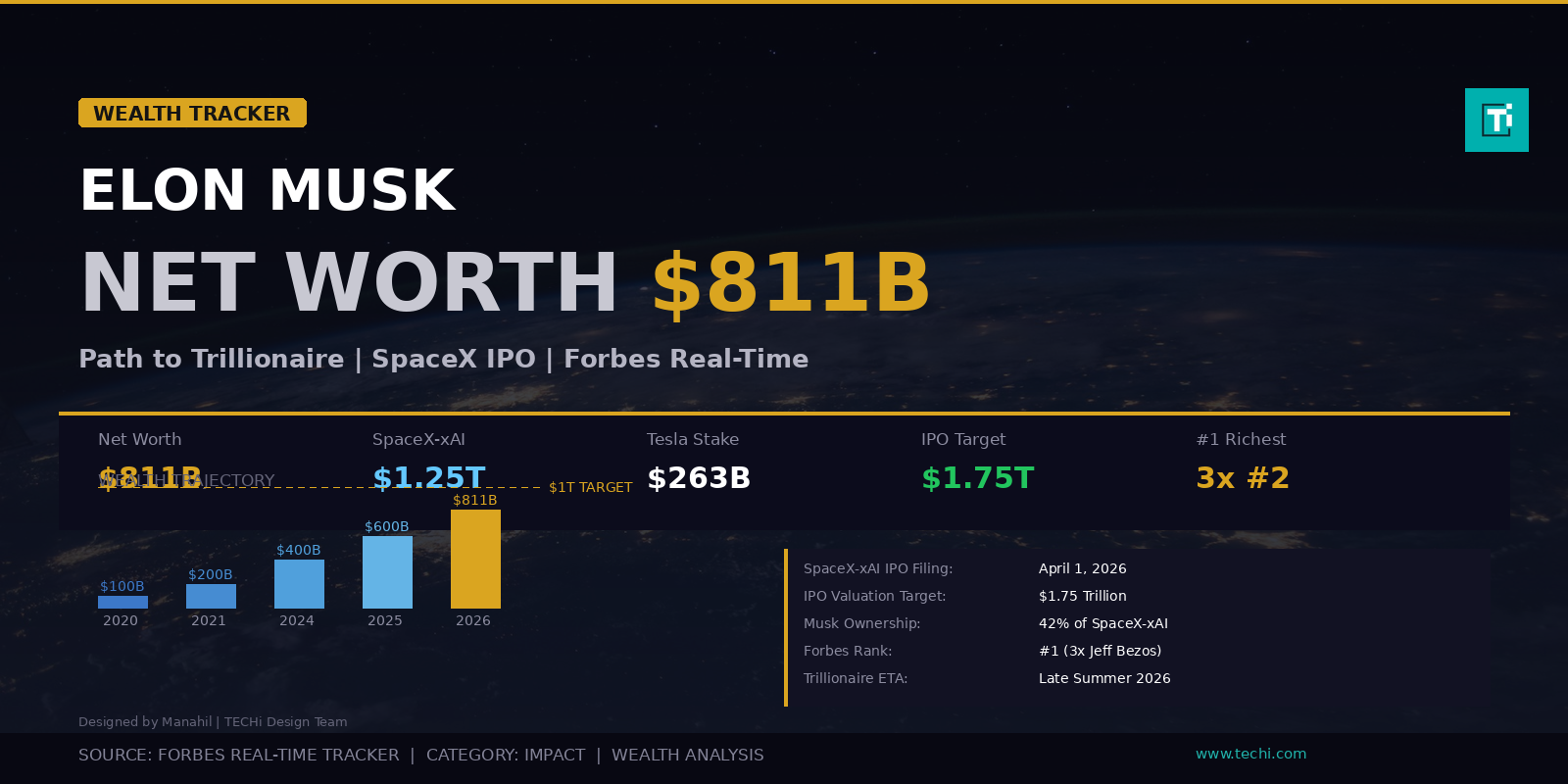
SpaceX, the aerospace manufacturer and space transportation company founded by Elon Musk, has seen its private valuation surge, fueling intense speculation regarding a potential public offering and its impact on the net worth of its major stakeholders. While SpaceX remains a private entity, recent secondary market valuations have placed the company’s worth at approximately $250 billion, according to data from Reuters. This valuation growth has significantly contributed to the personal wealth of Elon Musk, whose total net worth is frequently tracked by financial indices such as the Bloomberg Billionaires Index, which monitors the fluctuations of his holdings in Tesla, SpaceX, and other ventures.
Evaluating the SpaceX Valuation Surge
The conversation surrounding a potential SpaceX initial public offering (IPO) is driven by the company’s consistent performance in the commercial space sector and its dominance in satellite deployment via Starlink. As of late 2024, SpaceX continues to facilitate the majority of global orbital launches, a position that has solidified investor confidence. According to filings with the Federal Communications Commission (FCC), the Starlink constellation has expanded rapidly, providing broadband services to millions of users worldwide and creating a recurring revenue stream that distinguishes SpaceX from traditional aerospace contractors.

Financial analysts note that the company’s ability to reuse rocket boosters—a process pioneered by the Falcon 9 program—has drastically reduced the cost per kilogram to orbit. This operational efficiency is a primary factor in the company’s valuation growth. Unlike publicly traded aerospace firms, SpaceX has maintained a strategy of raising capital through private share sales, allowing it to bypass the quarterly reporting requirements mandated by the U.S. Securities and Exchange Commission (SEC) for public companies.
The Intersection of Private Enterprise and Space Industry
The broader impact of the commercial space industry extends beyond satellite internet and launch services. Emerging sectors, including space-based manufacturing, are attracting interest from major pharmaceutical companies. Research conducted in microgravity environments, such as those found on the International Space Station and potential future private platforms, suggests that protein crystallization and drug development processes can yield higher-quality results than those conducted under Earth’s gravity. According to the National Aeronautics and Space Administration (NASA), these experiments are critical for understanding how biological materials behave in space, potentially leading to new breakthroughs in medical treatments.

While industry leaders often discuss the potential for “off-world” manufacturing, the logistical and financial hurdles remain significant. The cost of transporting chemical precursors and laboratory equipment into orbit remains a barrier to scaling these operations. Nevertheless, the partnership between SpaceX and various research institutions signals a shift in how the private sector views the orbital environment—not just as a destination for satellites, but as a specialized industrial zone.
Market Sentiment and Regulatory Oversight
The discourse regarding Elon Musk’s wealth and the valuation of his companies often centers on the volatility of public equity markets versus the controlled environment of private equity. When comparing SpaceX to Tesla, which is traded on the NASDAQ, the difference in regulatory oversight is stark. Investors looking for exposure to SpaceX currently rely on secondary market platforms or investment funds that hold private equity stakes. According to the Financial Industry Regulatory Authority (FINRA), these secondary markets carry unique risks, including lower liquidity and limited transparency regarding corporate financial health compared to publicly listed companies.
For those tracking the sector, the next significant checkpoint for the industry will be the ongoing development of the Starship launch vehicle. As SpaceX works toward meeting the requirements for NASA’s Artemis program, the company’s success in these missions will likely serve as a proxy for its valuation in the eyes of private investors. Interested parties can monitor official updates regarding launch schedules and corporate milestones through the official SpaceX news portal.
As the commercial space industry evolves, the role of international diplomacy and investment also comes into focus. The participation of global stakeholders in the funding rounds of private aerospace firms underscores the international nature of the sector. For further updates on market developments, readers are encouraged to follow our business section and contribute to the ongoing discussion regarding the future of the space economy.