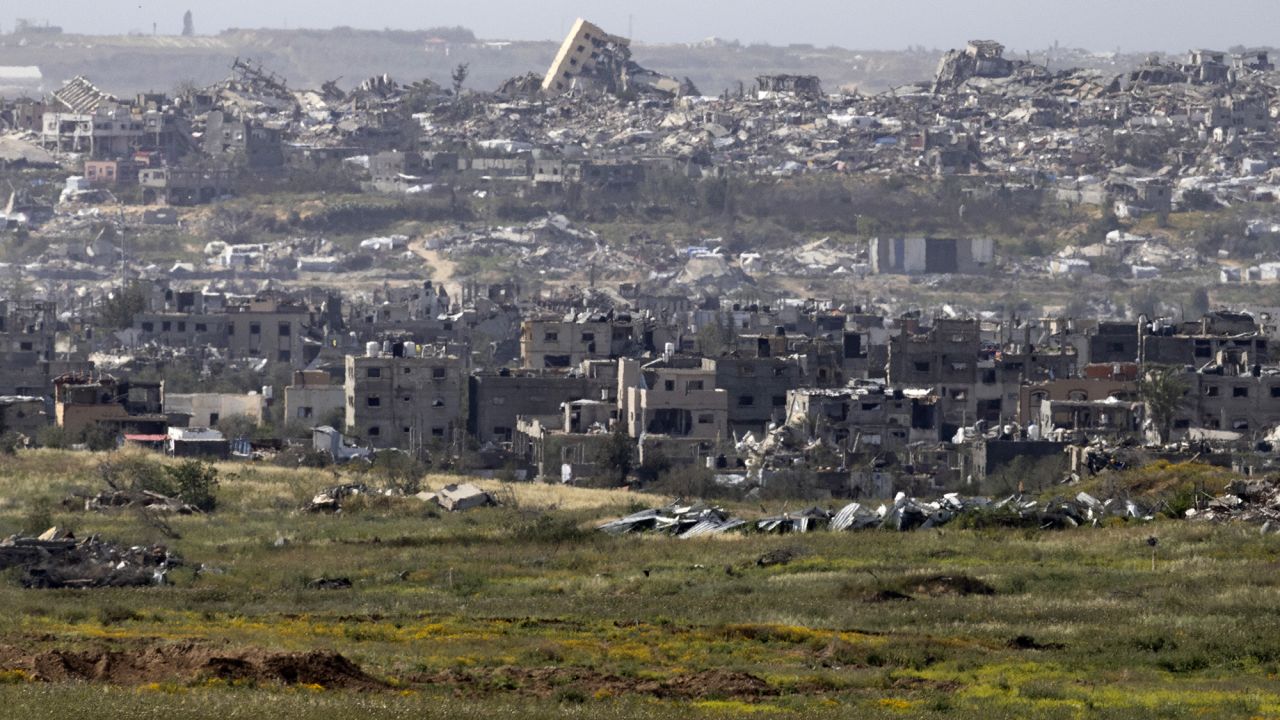
Israeli military authorities have issued evacuation warnings for seven Lebanese villages located south of the Litani River, marking a significant escalation in cross-border tensions along Israel’s northern frontier. The directive, communicated through official channels, requires residents to abandon their homes immediately due to heightened security concerns and ongoing hostilities between Israeli forces and Hezbollah militants in the region. The move underscores the fragile state of the ceasefire agreement that had previously brought a temporary halt to weeks of intense fighting.
The evacuation order applies specifically to communities in southern Lebanon that lie within proximity to the Litani River, a key geographical landmark that has frequently served as a de facto boundary during periods of conflict. Israeli officials have cited intelligence indicating increased militant activity in the area, including preparations for potential cross-border incursions or rocket launches, as justification for the preemptive measure. Residents affected by the directive are being urged to seek shelter in designated safe zones further north, away from the immediate frontier.
This development comes amid renewed violations of the ceasefire that was established following months of devastating exchanges between Israel and Hezbollah. Despite international efforts to maintain stability, recent days have seen a resurgence of artillery fire, drone strikes, and targeted operations on both sides of the Blue Line—the UN-demarcated border separating Israel and Lebanon. The situation has raised alarms among diplomatic observers who warn that any further deterioration could trigger a broader regional confrontation.
According to verified reports from field monitors and international peacekeeping units stationed in southern Lebanon, Israeli forces have intensified surveillance and reconnaissance operations along the border in recent hours. These activities include low-altitude flights by unmanned aerial vehicles and increased patrols near known crossing points. Whereas no large-scale ground incursion has been reported as of yet, the buildup suggests a heightened state of readiness on the Israeli side.
The Litani River, stretching approximately 140 kilometers through southern Lebanon, has historically played a strategic role in military planning due to its position as a natural obstacle and its proximity to populated areas. Communities situated south of the river have often been focal points during past escalations, given their accessibility from Israeli territory and their apply by armed groups for logistical movements. The current evacuation focuses on villages whose exact names have not been publicly disclosed in official Israeli statements, though local sources indicate they include border-adjacent hamlets in the Marjayoun and Bint Jbeil districts.
Hezbollah has not issued an immediate public response to the evacuation orders, but its affiliated media outlets have previously warned that any forced displacement of civilians would be met with resistance. The group maintains significant influence in southern Lebanon, where it provides social services and operates alongside municipal authorities in many towns. Its military wing has consistently asserted the right to defend Lebanese sovereignty against what it describes as Israeli aggression.
International peacekeepers from the United Nations Interim Force in Lebanon (UNIFIL) have confirmed they are monitoring the situation closely and coordinating with both Israeli and Lebanese officials to prevent misunderstandings that could lead to unintended escalation. UNIFIL patrols have increased their presence along the Blue Line in recent days, aiming to serve as a buffer and facilitate communication between the parties. However, their mandate limits them to observation and reporting, without authority to enforce ceasefire terms.
The Israeli government has defended its actions as necessary for national security, arguing that preemptive evacuations are a lawful measure under international humanitarian law when civilian populations are at imminent risk due to nearby military operations. Officials have emphasized that the goal is not to occupy Lebanese territory but to create a buffer zone that minimizes the threat of surprise attacks. They have also stated that displaced residents will be allowed to return once security conditions permit.
Humanitarian organizations operating in Lebanon have expressed concern over the potential displacement of civilians, particularly given the country’s ongoing economic crisis and weakened infrastructure. Many households in southern Lebanon are already struggling with limited access to electricity, clean water, and medical services, making sudden evacuation a significant burden. Aid groups have called on all parties to ensure that any relocation efforts prioritize civilian safety and allow for the transport of essential belongings.
As of the latest verified updates, no casualties have been directly linked to the evacuation order itself, though tensions remain high along the frontier. Both sides continue to accuse each other of violating the ceasefire, with Israel pointing to rocket launches and Hezbollah citing Israeli airstrikes and artillery barrages. Diplomatic channels, including those mediated by France and the United States, remain active in an effort to de-escalate the situation and restore adherence to the agreed-upon terms.
The evolving situation underscores the volatility of the Israel-Lebanon border, where periods of calm are frequently interrupted by sudden flare-ups despite international guarantees. Analysts note that the absence of a permanent political settlement—particularly regarding the status of Shebaa Farms and the disarmament of non-state militias—leaves the region vulnerable to recurrent cycles of violence. For now, the focus remains on preventing further harm to civilians caught in the middle of a conflict they did not initiate.
Readers seeking ongoing updates on this developing story are encouraged to follow official statements from UNIFIL, the Lebanese Ministry of Defense, and the Israel Defense Forces (IDF) spokesperson unit. Reliable real-time information can also be accessed through the websites of major international news outlets with verified correspondents on the ground in both Israel and Lebanon.
Worth a look