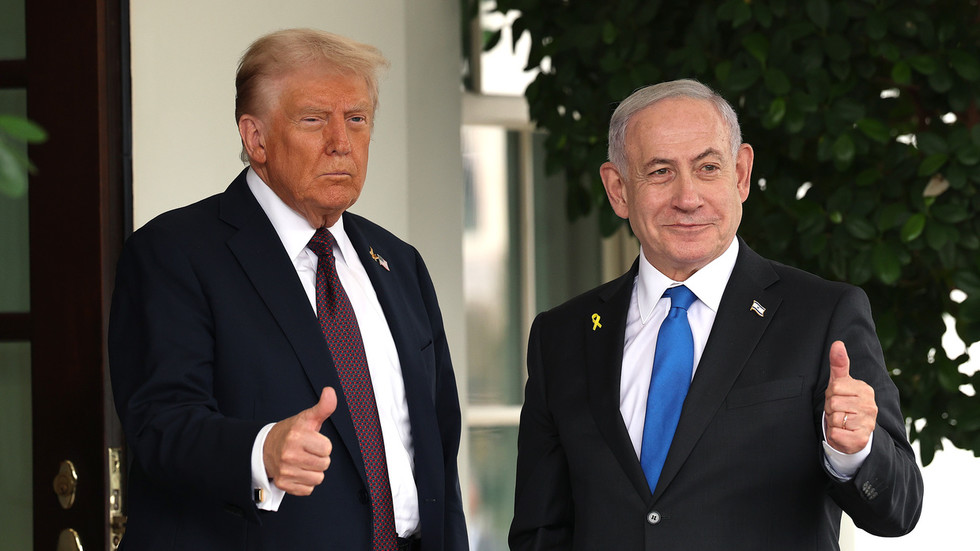
As the conflict in the Middle East enters a volatile new phase, the intensifying military operations in Lebanon have underscored a growing divergence between the strategic objectives of Israel and the diplomatic efforts of the United States. The escalation, characterized by a significant expansion of ground presence and strikes in southern Lebanon, has placed Washington’s influence over its closest regional ally under intense scrutiny. As global observers monitor these developments, the central question remains: is the current Israeli leadership effectively navigating around American constraints to reshape the regional security landscape?
The situation has moved well beyond the established patterns of border skirmishes. In recent days, Israeli forces have pushed beyond previous operational boundaries, with reports confirming the capture of areas of strategic significance in southern Lebanon. For the Israeli government, these actions are framed as a necessary measure to dismantle infrastructure that poses a direct threat to its northern communities. However, the political implications of this expansion reach far beyond the immediate theater of war, signaling a potential shift in how Prime Minister Benjamin Netanyahu approaches both regional adversaries and international partners.
The core of this geopolitical tension lies in the delicate balance of power between Washington and Tehran. While the United States has frequently advocated for de-escalation, aiming to preserve a broader diplomatic framework that could potentially include negotiations with Iran, the current trajectory of the conflict in Lebanon appears to act as a direct counter-pressure to these efforts. For observers of international relations, this dynamic illustrates a classic “principal-agent” problem, where the interests of the regional power—Israel—do not necessarily align with the global objectives of its primary security guarantor, the United States.
The Strategic Shift in Southern Lebanon
The intensification of the ground campaign represents a departure from the previous doctrine of targeted deterrence. By expanding its military footprint, Israel is attempting to establish a new reality on the ground that effectively neutralizes threats previously managed through more limited operations. According to official statements from Israeli military and political leadership, the objective is the systematic removal of militant infrastructure. This shift is not merely tactical; it is a calculated effort to alter the long-term military-political landscape in the region.
This expansion has drawn sharp reactions from international stakeholders who fear that an unchecked conflict could trigger a wider regional confrontation. While the United States continues to propose ceasefire initiatives aimed at preventing the situation from spiraling, the practical implementation of such plans has proven difficult. The disconnect between Washington’s public calls for restraint and the reality of ongoing military operations suggests that the leverage traditionally held by the U.S. In these scenarios may be waning.
A Test of Diplomatic Influence
The relationship between the current U.S. Administration and the Israeli government is currently being tested by the realities of the Lebanese front. High-level communications between Washington and Jerusalem have reportedly been marked by significant tension, as the U.S. Seeks to prevent the conflict from expanding into major urban centers like Beirut. Despite these efforts, the Israeli leadership has maintained that its security requirements take precedence, even when those requirements conflict with American diplomatic goals.

This defiance of U.S. Preferences is not accidental. Within the Israeli political sphere, there is a vocal segment of the leadership that explicitly advocates for a more aggressive, independent stance, arguing that reliance on international diplomatic cover should not preclude decisive military action. This internal political pressure provides the Prime Minister with a mandate to continue operations, even in the face of intense international criticism or pressure from allies.
The Iran Factor and Regional Stability
The broader context of this conflict is the ongoing, often opaque, diplomatic maneuvering involving Iran. For Israel, any agreement that might lead to a rapprochement between Washington and Tehran is viewed as a strategic failure. The ongoing military activity in Lebanon serves a dual purpose: it addresses immediate security concerns while simultaneously complicating any potential rapprochement between the U.S. And Iran. By raising the stakes in the region, Israel effectively forces all parties—including the U.S. And Iran—to recalibrate their positions.
For Iran, the current situation is frequently cited as evidence that the regional status quo is untenable. Tehran has signaled that the ongoing operations in Lebanon are a breach of regional stability, using this as a justification for its own recalcitrance in ongoing diplomatic talks. This creates a feedback loop where military action leads to diplomatic withdrawal, which in turn leads to further military posturing, making a lasting settlement increasingly elusive.
What Happens Next
As the international community looks for a path toward stabilization, the immediate future remains uncertain. The U.S. Has continued to push for a phased de-escalation, starting with a cessation of hostilities in specific areas, but the success of these proposals depends entirely on the willingness of both Israel and regional actors to prioritize diplomatic outcomes over military gains. For now, the focus remains on the following potential developments:
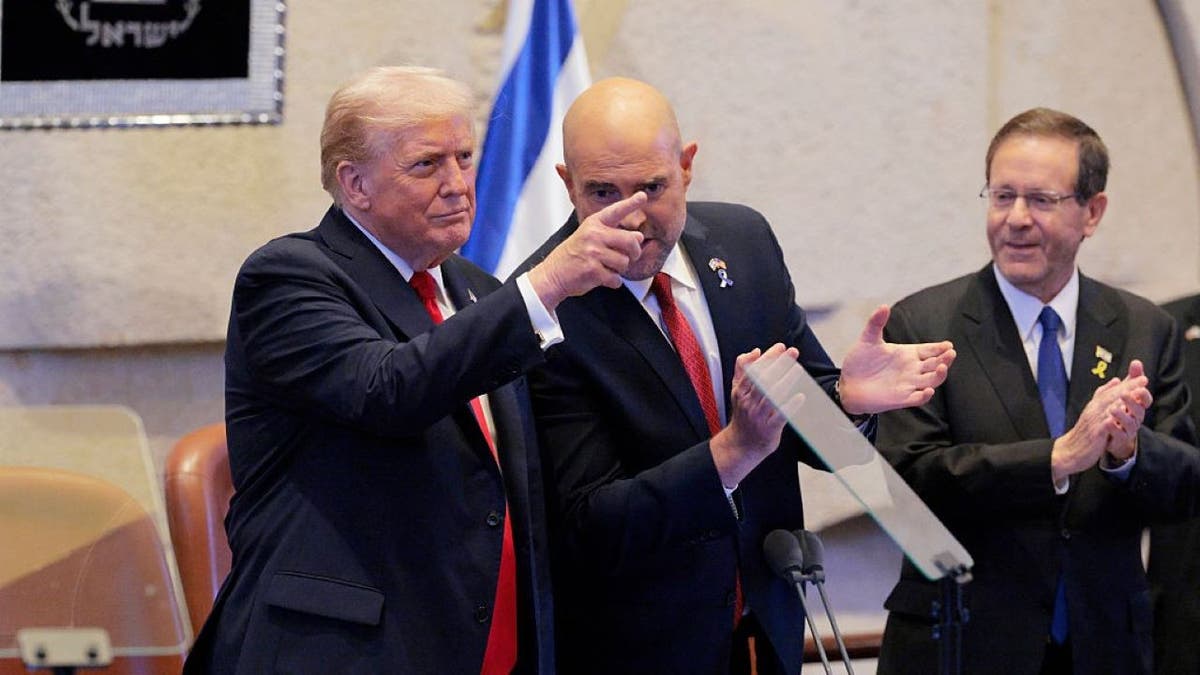
- Ongoing diplomatic efforts by U.S. Envoys to mediate a temporary ceasefire.
- Potential shifts in the internal political dynamics within the Israeli Knesset regarding the duration and scope of the northern campaign.
- Official responses from regional powers and international bodies, including the United Nations, regarding the status of the border regions.
the current escalation demonstrates that while global powers may hold the blueprints for peace, regional actors often retain the power to dictate the pace of war. Whether Washington can regain its influence or whether the current trajectory leads to a protracted period of instability will be the defining story of the coming months. We encourage our readers to stay tuned to World Today Journal for ongoing updates as we continue to track these developments across the region.