
The International Space Station (ISS) continues to be the primary focus of international space cooperation, though recent operational challenges have highlighted the complexities of maintaining a laboratory in low Earth orbit. As the station nears its third decade of continuous human occupation, technical teams from NASA and Roscosmos remain engaged in ongoing discussions regarding the structural integrity of specific modules, particularly concerning persistent air leaks that have required careful management by the onboard crew.
For those following the latest updates on the International Space Station, it is essential to distinguish between routine maintenance and emergency procedures. While reports of air leaks periodically prompt precautionary measures—such as temporary isolation of modules or, in some instances, having crew members stay within their docked spacecraft—these actions are part of established safety protocols designed to ensure that the station’s inhabitants remain protected while engineers on the ground analyze telemetry and structural data.
Understanding the Ongoing Technical Challenges
The core of the current technical discourse involves a small, persistent air leak located in a vestibule of the Zvezda service module known as PrK. This area serves as a critical interface between a docking port and the main body of the module. According to a briefing from NASA’s ISS Advisory Committee, this specific leak has been a known factor for several years, with crews managing the issue by sealing off the PrK vestibule when it is not actively being used for Progress cargo spacecraft operations. Detailed reports from SpaceNews indicate that while both agencies have focused their investigations on the internal and external welds of the module, there is no shared consensus on the primary root cause or the long-term severity of the degradation.
NASA officials have expressed concerns that these persistent leaks could, if left unaddressed or if they continue to grow, potentially lead to a structural failure within that specific segment of the Russian module. Bob Cabana, who chairs the ISS Advisory Committee, noted that while Russian engineers have suggested that the cracks may stem from high cyclic fatigue induced by micro-vibrations, NASA’s own technical teams are investigating a broader range of variables. These variables include mechanical and pressure stress, the specific material properties of the module, and the impact of the harsh space environment over time.
Safety Protocols and Crew Operations
The safety of the astronauts remains the absolute priority for both NASA and Roscosmos. When pressure fluctuations occur or when maintenance is required to address such leaks, station crews are trained to follow rigorous safety procedures. These protocols are designed to provide a buffer for the crew, allowing them to continue their work while ground control teams refine their understanding of the station’s structural health. As noted in official NASA mission updates, the agency maintains a continuous focus on the Artemis program and the broader future of human spaceflight, but the ISS remains the bedrock of their current operational commitments.
The station’s environment is inherently demanding. With a budget of approximately US$24.4 billion for 2026, the agency continues to balance the maintenance of the aging orbital laboratory with the ambitious goals of the Artemis program, which aims to return humans to the lunar surface. The technical challenges aboard the ISS are not merely maintenance hurdles. they provide critical data points for future long-duration missions, including the eventual crewed exploration of Mars.
Looking Ahead: The Future of the ISS
As the international community watches the developments aboard the station, the focus remains on the collaborative efforts between global space agencies to ensure the ISS remains a viable platform for scientific discovery. The disagreement regarding the severity and cause of the leaks highlights the necessity of transparent communication between technical teams in Moscow and Washington. Both agencies are committed to the continued safe operation of the station, utilizing the expertise of the NASA Astronaut Corps and their international partners to manage the complexities of life in orbit.
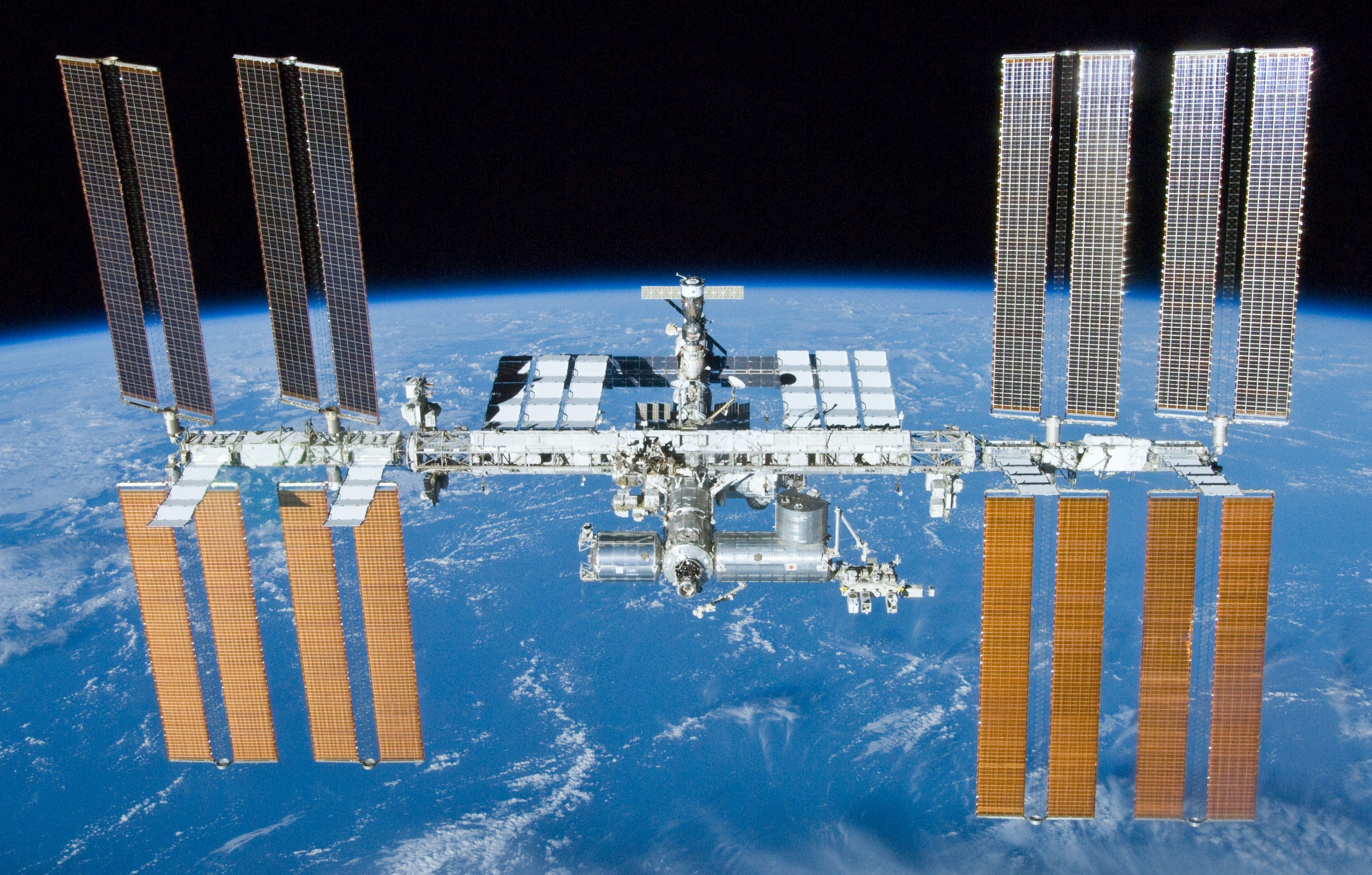
For readers interested in the ongoing status of the International Space Station, NASA regularly publishes mission progress updates and technical briefings through its official portal. These resources offer the most reliable data regarding the station’s health, the status of its various modules, and the schedule of future research activities. We encourage our readers to stay engaged with these official channels for the most accurate, real-time information as the situation evolves.
What are your thoughts on the challenges of maintaining long-duration space stations? Join the conversation in the comments section below and share this update with those interested in the future of space exploration.
Related reading