ISS Operations Face Uncertainty as Soyuz Launches Remain Grounded
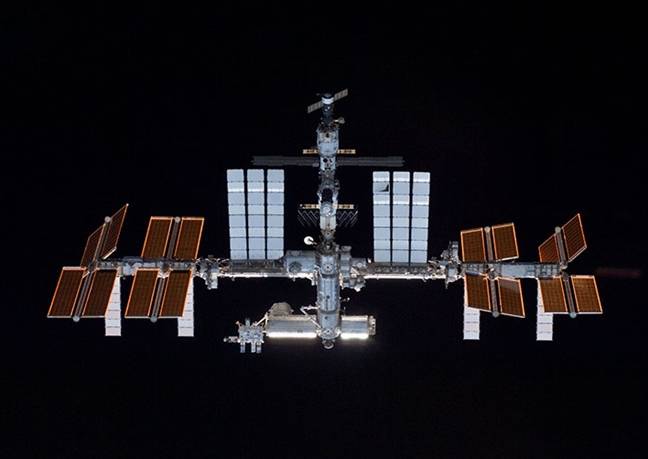
The International Space Station (ISS) is navigating a complex situation following damage to a Russian launchpad and a shift in crew assignments. these events coincide with a period of reflection on the future of the orbiting laboratory, slated for deorbit around 2030. A prolonged pause in Soyuz launches could very well accelerate discussions about Russia’s continued participation in the ISS program.
Currently, however, Russia remains committed to the collaborative effort. This commitment is being tested, though, as the ISS recently marked 25 years of continuous human presence - a milestone somewhat overshadowed by these recent challenges.
Let’s break down the current situation and what it means for you, the space enthusiast, and the future of space exploration.
A Crowded Station, A Complicated Return
Right now, ten astronauts and cosmonauts are aboard the ISS. Remarkably, all eight of the station’s docking ports are occupied. This includes:
* Two SpaceX vehicles – both Crew and Cargo Dragons.
* The Japanese HTV-X1.
* Northrop Grumman’s Cygnus freighter.
* Two Russian Progress cargo spacecraft.
* Two Soyuz vehicles.
This level of activity highlights the ISS’s vital role as a global hub for research and international cooperation.
A crew rotation is scheduled for December 8th.NASA astronaut Jonny Kim, alongside Roscosmos cosmonauts Sergey Ryzhikov and Alexey Zubritsky, will return to Earth aboard the Soyuz MS-27 spacecraft. They will undock from the Prichal module and land in Kazakhstan.This will reduce the crew complement back to seven.Soyuz MS-28 remains docked to the station.
The Soyuz Pause: What’s the Impact?
The planned launch of Soyuz MS-29, originally scheduled for 2026, is now uncertain. This delay stems directly from the damage sustained at the Baikonur Cosmodrome launchpad. Alternatively, finding another suitable launch site will be necessary.
I’ve found that launchpad repairs can be incredibly complex and time-consuming.The integrity of these facilities is paramount, and any compromise demands meticulous investigation and remediation.
This situation underscores the inherent risks in spaceflight and the importance of redundancy in launch capabilities. It also raises questions about the long-term sustainability of the ISS if one partner faces significant launch constraints.
Looking Ahead: The Future of the ISS
The ISS is approaching the end of its operational lifespan. As 2030 draws closer, discussions about its decommissioning and potential replacements are intensifying. A prolonged disruption to Russia’s Soyuz program could strengthen arguments for accelerating the transition to new space station concepts.
However, the ISS remains a critical platform for scientific research, technological advancement, and international collaboration. here’s what works best for maintaining its value:
* Continued investment in maintainance and upgrades.
* Fostering strong partnerships between space agencies.
* Developing a clear transition plan for research and capabilities.
Ultimately, the future of the ISS will depend on a complex interplay of technical, political, and economic factors. But one thing is certain: the challenges currently facing the program demand careful consideration and proactive planning.