
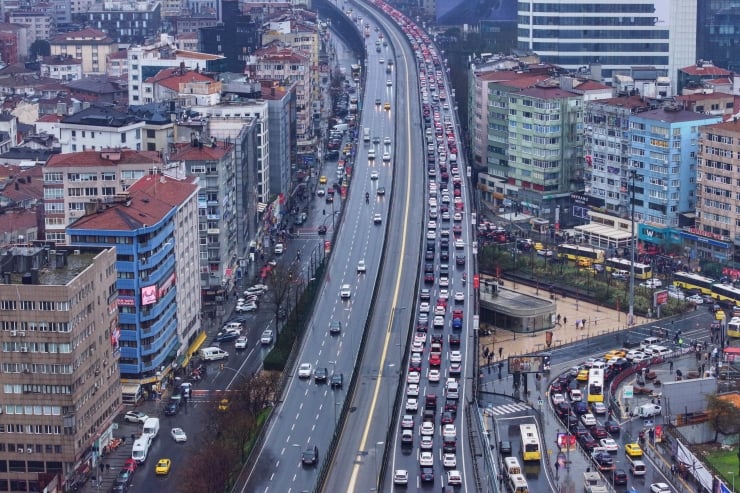
Istanbul is preparing for a massive logistical operation as the city gears up to host the UEFA Europa League final. To ensure the safety of thousands of international spectators and to manage the intense movement of fans, authorities have announced significant road closures that will impact several key districts across the metropolitan area.
The Turkish General Directorate of Security (EGM) has confirmed that these traffic restrictions will remain in place for a period of four days. The measure is designed to facilitate the arrival of teams, media delegations, and the massive influx of football supporters, while maintaining stringent security protocols required for a high-profile European championship match.
For residents and travelers alike, the upcoming period will require careful planning. As one of the world’s most densely populated cities, Istanbul’s transit network is highly sensitive to disruptions, and the scale of this security-driven arrangement is expected to cause notable delays in various parts of the city.
Extensive Road Closures and Security Mandates
The decision to implement these closures comes as part of a comprehensive security and organizational framework coordinated by the EGM. Unlike standard match-day traffic management, the four-day window reflects the complexity of hosting a major UEFA final, which involves significant pre-match setup, fan zones, and high-security corridors for official transport.

While specific street-by-street maps are being finalized and distributed through official government channels, the restrictions are primarily focused on the routes leading to the match venue and the major arteries connecting the city’s transport hubs to the stadium districts. These measures are intended to prevent gridlock and ensure that emergency services have unimpeded access to critical areas during the heightened security period.
Security experts note that such large-scale closures are standard procedure for UEFA-sanctioned finals. The goal is to create a “sterile” environment around the stadium and official fan zones to mitigate risks and manage the movement of large crowds effectively. The EGM’s involvement underscores the national priority placed on the successful and safe execution of this international sporting event.
Navigating Istanbul: Practical Advice for Travelers and Locals
With significant portions of the road network becoming inaccessible to private vehicles, the city’s public transportation systems will become the primary method for movement. To avoid the most severe delays, commuters and tourists are strongly encouraged to shift their travel habits in the days leading up to and during the final.
Istanbul’s extensive rail and maritime networks offer several alternatives to road travel. The Metro, Marmaray, and Metrobus systems are expected to see increased frequency but will likely experience much higher passenger volumes than usual. The city’s ferry services remain a reliable way to cross between the European and Asian sides, potentially bypassing the congestion affecting the major bridges.
For those who must travel, the following recommendations are advised:
- Prioritize Public Transit: Utilize the Metro and Marmaray systems to avoid surface-level traffic disruptions.
- Monitor Real-Time Updates: Follow the official social media accounts of the General Directorate of Security (EGM) and the Istanbul Metropolitan Municipality for live traffic advisories.
- Plan for Extra Travel Time: Even if using public transport, expect delays due to increased crowd density and security screenings at station entrances.
- Avoid the Stadium Vicinity: Unless traveling specifically for the match, avoid driving near the designated security zones to prevent getting caught in cordoned-off areas.
The Impact of Major Sporting Events on Urban Logistics
Hosting an event of this magnitude presents a dual challenge for a megacity like Istanbul: fulfilling the rigorous safety requirements of international sporting bodies while maintaining the functional flow of a city that serves millions. The logistical footprint of a UEFA final extends far beyond the stadium walls, affecting local businesses, supply chains, and daily commutes.
The four-day closure period is a strategic choice to manage the “fan surge.” As supporters arrive from across Europe, the city’s hotels, transit hubs, and dining districts will experience unprecedented demand. By proactively closing certain roads, authorities aim to channel this movement into controlled corridors, reducing the likelihood of spontaneous congestion that could compromise security or emergency response times.
the economic impact of such events is significant. While the disruptions may pose a challenge to local logistics, the influx of international tourism provides a substantial boost to the hospitality and service sectors. The success of the event depends on a delicate balance between high-security enforcement and the seamless movement of the millions of people who make Istanbul a global destination.
Key Logistics Summary
| Feature | Details |
|---|---|
| Primary Event | UEFA Europa League Final |
| Duration of Closures | 4 consecutive days |
| Lead Authority | General Directorate of Security (EGM) |
| Primary Impact | Road closures in key districts and stadium corridors |
| Recommended Travel | Metro, Marmaray, and Maritime transport |
As the final approaches, the city remains in a state of high readiness. The coordination between local municipal authorities, national security forces, and UEFA officials continues to evolve to ensure that the event is both a sporting success and a logistical triumph for Istanbul.
Official updates regarding specific road maps and the exact timing of the closures are expected to be released by the EGM in the coming days. We will continue to monitor these developments and provide updates as more information becomes available.
What are your thoughts on the city’s preparations for the final? Do you have tips for navigating Istanbul during major events? Let us know in the comments below and share this article with anyone traveling to the city!