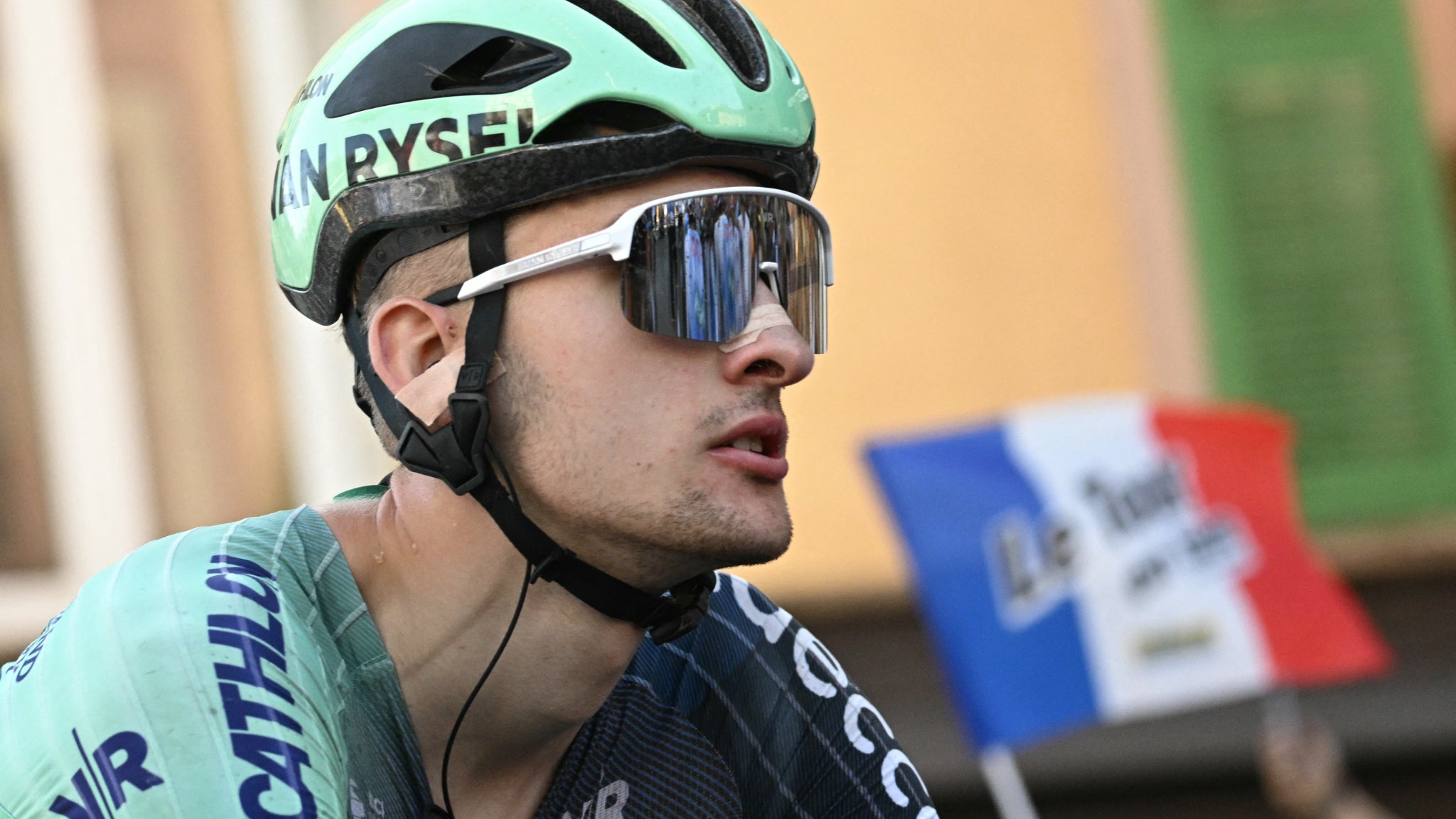
The International Testing Agency (ITA) has formally rejected claims of preferential treatment regarding anti-doping controls for French cyclist Paul Seixas during competition. The denial follows public remarks made by Slovenian rider Matej Mohoric, which questioned the protocol surrounding testing procedures applied to the young French athlete.
As anti-doping oversight in professional cycling continues to face intense scrutiny from athletes and regulators alike, the intervention by the independent testing body highlights the strict protocols governing modern sport. The controversy erupted after public statements called transparency into question, prompting an immediate clarification from the independent agency tasked with safeguarding the integrity of cycling events.
Cycling anti-doping oversight operates under standardized frameworks managed globally to ensure fairness across all competing nations and teams. Regulators maintain that every athlete undergoes identical selection pools and testing frequencies, regardless of nationality, age, or team affiliation, countering any narrative suggesting administrative leniency or selective enforcement.
Addressing Claims of Preferential Treatment
The controversy began when Matej Mohoric raised concerns regarding the handling of anti-doping procedures involving Paul Seixas. Public commentary from elite riders often amplifies debates surrounding fairness within the peloton, where trust in testing protocols remains paramount for competitive integrity.
In response to the assertions, the International Testing Agency issued a direct clarification refuting any suggestion of special exemptions or tailored testing schedules. According to the International Testing Agency, all sample collections, out-of-competition controls, and in-competition screenings adhere strictly to the World Anti-Doping Code, leaving no room for administrative bias or selective oversight.
Independent oversight bodies emphasize that testing distribution relies on risk assessment models, biological passport data, and random selection algorithms rather than discretionary choices by race officials or anti-doping administrators. This systematic approach aims to eliminate favoritism and protect clean athletes across all tiers of professional cycling.
The Role of the International Testing Agency in Cycling
The International Testing Agency assumed independent anti-doping responsibilities for cycling from the Cycling Anti-Doping Foundation (CADF), aiming to remove potential conflicts of interest inherent in sport-specific federations managing their own policing. The World Anti-Doping Agency oversees these independent entities to ensure compliance with international standards.
For emerging competitors like Paul Seixas, entering the professional ranks means navigating a rigorous testing regime designed to establish biological baselines early in a career. Anti-doping officials note that younger athletes frequently encounter targeted education programs alongside routine sample collection to reinforce clean sport values from the outset of their professional journeys.
Transparency remains a cornerstone of the modern testing framework. Statistical reports detailing the frequency and distribution of tests across teams and individual riders are published regularly to maintain public confidence and counter speculative claims voiced within the sporting community.
Wider Implications for the Peloton
Public disputes between riders and anti-doping administrators underscore the high-pressure environment of elite cycling. When athletes voice skepticism regarding testing equity, regulatory bodies face the challenge of balancing confidentiality rules with the demand for public accountability.
Observers of the sport point out that open dialogue, while occasionally contentious, reflects the deep commitment riders have toward a level playing field. At the same time, sports law experts stress that unfounded allegations can complicate the public perception of young talents navigating the pressures of international competition.
As the international calendar progresses, anti-doping authorities will continue executing unannounced testing protocols across all major racing circuits. Stakeholders throughout the sport, including team managers, riders, and union representatives, Union Cycliste Internationale continue to monitor these procedures to ensure absolute adherence to established global standards.
Official updates regarding testing statistics and anti-doping rule compliance can be tracked directly through the official portals of the International Testing Agency and the World Anti-Doping Agency. Readers are encouraged to share their thoughts or join the conversation in the comments section below.
Worth a look