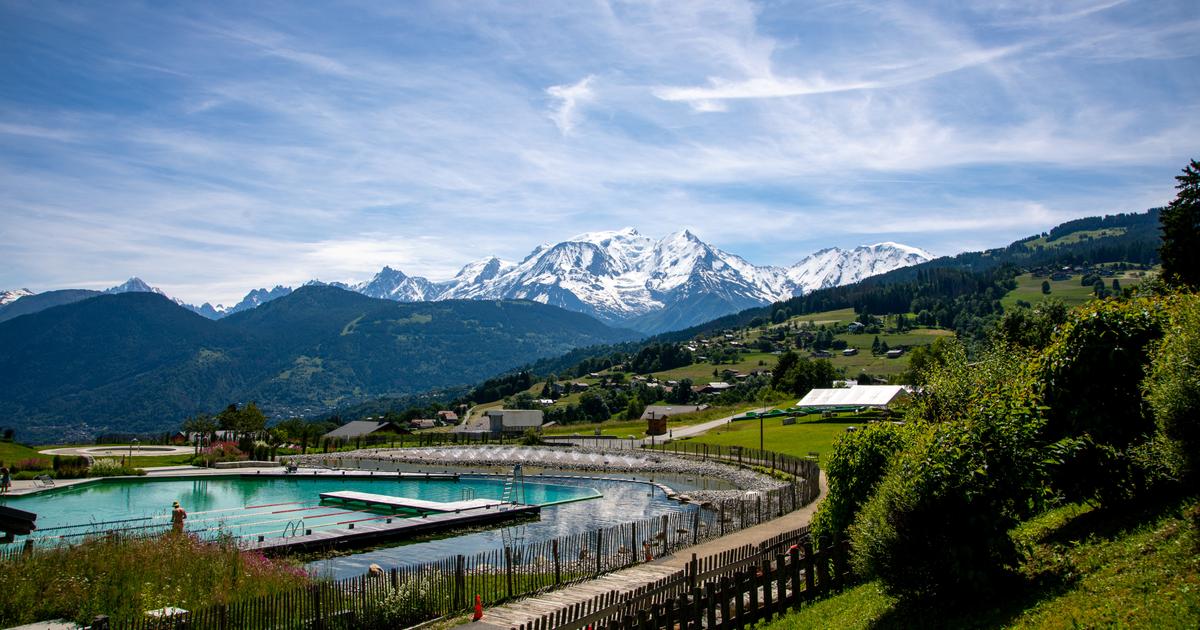
The Combloux biotope pond is a natural swimming area in the Haute-Savoie region of France that uses a biological filtration system instead of chemicals to maintain water quality. Located in the mountain village of Combloux, the facility relies on a specialized aquatic plant zone to purify the water, creating a sustainable alternative to traditional chlorinated pools.
This ecological approach allows the pond to integrate into the mountain landscape while providing a public swimming space. However, the biological balance of the water requires strict management, including a capped number of visitors and specific behavioral guidelines for swimmers to prevent the ecosystem from collapsing.
According to municipal guidelines from the Village de Combloux, the pond operates as a “biotope,” meaning it mimics a natural ecosystem. Unlike standard pools, the water is filtered through a regeneration zone where plants and microorganisms break down organic matter and pollutants. This process ensures the water remains clear and safe for bathing without the need for synthetic additives.
The Mechanics of Biological Water Filtration
The Combloux biotope pond functions through a two-zone system: a swimming area and a filtration area. The water circulates between these two sections, passing through a bed of gravel and specific aquatic plants that act as natural filters. These plants absorb nitrates and phosphates, preventing the overgrowth of algae that typically plagues stagnant water.
Because the system relies on living organisms, it is sensitive to external pollutants. The municipality emphasizes that swimmers must be “responsible,” which includes avoiding the use of heavy sunscreens or oils that can create a film on the water’s surface and disrupt the oxygen exchange necessary for the plants to survive.
Maintaining this equilibrium requires constant monitoring. Local officials manage the water level and the health of the vegetation to ensure the filtration capacity matches the volume of the pond. If the biological load becomes too high—often caused by an excessive number of swimmers—the water quality can degrade rapidly, as there are no chemical agents to provide an immediate “shock” treatment.
Visitor Limits and Environmental Constraints
To protect the fragile ecosystem, the Combloux biotope pond implements a capped capacity. This “jauge plafonnée” is not merely for crowd control but is a technical necessity to prevent the biological filters from becoming overwhelmed. When too many people enter the water, the amount of organic matter increases, which can outpace the plants’ ability to purify the water.
The site is designed to offer a “natural” experience, which means the water temperature fluctuates based on the mountain climate rather than mechanical heating. This keeps the environment authentic to the surrounding Alps and prevents the thermal pollution that can occur in heated artificial lakes.
Visitors are encouraged to follow specific etiquette to preserve the site. This includes staying within designated swimming areas to avoid damaging the filtration plants located along the perimeter. The integration of the pond into the natural topography of Combloux also means it serves as a local biodiversity hotspot, attracting insects and birds that benefit from the clean, chemical-free water.
Sustainability in Mountain Tourism
The development of the biotope pond reflects a broader trend in the Haute-Savoie region toward sustainable tourism. By eliminating chlorine and bromine, the village reduces its chemical footprint and prevents the runoff of treated water into the surrounding soil and groundwater.
This model provides a blueprint for other mountain communities looking to create recreational water features without the environmental cost of traditional industrial pools. The project demonstrates that high-quality public amenities can coexist with strict ecological preservation, provided there is a commitment to regulated use and community education.
For those planning a visit, the Région Savoie tourism resources suggest checking local municipal updates for seasonal opening dates and current capacity limits, as these may change based on the biological state of the pond and weather conditions.
The next scheduled review of the pond’s ecological health typically occurs at the end of the summer bathing season to prepare the filtration plants for the winter dormant period. Visitors are encouraged to share their experiences and feedback with the Combloux municipal office to help refine the management of this natural landmark.
Worth a look