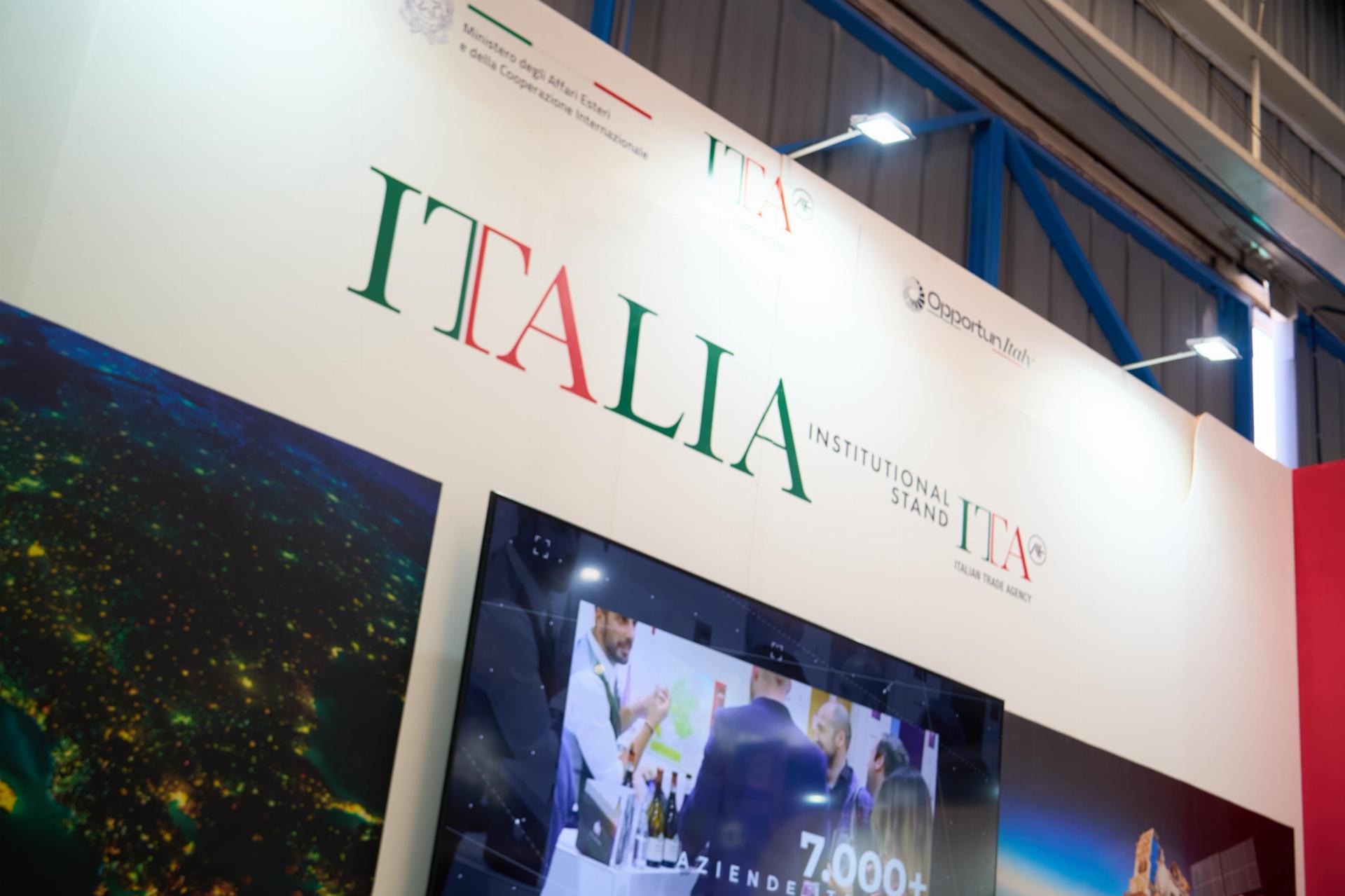
Italy is strengthening its strategic footprint in the Southern Cone, leveraging its advanced aerospace capabilities to forge deeper industrial ties with Chile. The Italian Trade Agency (ICE) is currently spearheading a high-profile institutional presence at FIDAE, the most significant aerospace and defense exhibition in Latin America, marking a critical juncture for bilateral trade and technological exchange.
The Italian delegation’s participation at the FIDAE aerospace exhibition in Chile is not merely a showcase of hardware, but a calculated diplomatic move to integrate Italian aerospace innovation into the growing South American market. With the presence of the Italian Ambassador to Chile, Valeria Castelli, the mission underscores the intersection of high-level diplomacy and industrial export strategy, aiming to position Italy as a primary partner for Chile’s modernization of its air and space infrastructure.
For a global audience, this development highlights a broader trend of European nations seeking to diversify their strategic partnerships outside of traditional North American and Asian spheres. By utilizing the ICE framework, Italy is providing a bridge for small and medium-sized enterprises (SMEs) to enter a complex regional market, ensuring that the “Made in Italy” brand extends beyond luxury goods and into the high-precision realms of avionics, satellite technology, and defense systems.
The scale of FIDAE serves as a catalyst for these interactions, drawing thousands of industry professionals and government officials to Santiago. For Italy, the objective is clear: to translate institutional visibility into concrete contracts and joint ventures that enhance the operational capabilities of the Chilean Armed Forces and civilian aviation sectors.
Strategic Synergy: The Role of the Italian Trade Agency (ICE)
The Italian Trade Agency, known globally as ICE, operates as the primary instrument for the promotion of Italian exports and the attraction of foreign investment. At FIDAE, the ICE institutional stand serves as a centralized hub where Italian aerospace firms can engage with Chilean procurement officers and private sector investors. This structured approach reduces the barrier to entry for Italian companies that may lack a permanent physical presence in Latin America.
The agency’s involvement focuses on several key pillars of the aerospace sector. First is the promotion of “dual-use” technologies—systems that serve both military and civilian purposes. This includes advanced surveillance drones, satellite communication arrays, and sustainable aviation fuels. By focusing on versatility, Italy appeals to Chile’s require for both national security and environmental stewardship in its vast and varied geography.
the ICE mission emphasizes the transfer of knowledge. Italy is not merely selling products but proposing a collaborative model of “co-development.” This involves the potential for local assembly or maintenance hubs within Chile, which would provide the Chilean economy with technical expertise and high-skilled jobs even as ensuring the longevity of Italian-made equipment in the region.
The presence of Ambassador Valeria Castelli adds a layer of sovereign guarantee to these commercial efforts. In the world of aerospace and defense, contracts are often tied to state-to-state agreements. The Ambassador’s role is to ensure that the commercial ambitions of the ICE are aligned with the broader diplomatic goals of the Italian Republic, fostering a relationship based on mutual trust and strategic transparency.
Why Chile is a Critical Hub for Aerospace in Latin America
Chile has emerged as a sophisticated player in the Latin American aerospace landscape, driven by its unique geographic needs and a commitment to scientific research. From the Atacama Desert—which provides some of the clearest skies on Earth for astronomical observation—to its expansive coastline, Chile requires specialized aerospace tools for environmental monitoring, border security, and disaster response.
The Chilean government has consistently invested in the modernization of its air force and navy, creating a demand for cutting-edge platforms. Italian firms, particularly those specializing in trainers, multi-role aircraft, and maritime patrol systems, find a receptive market in Santiago. The synergy between Italian engineering and Chilean operational needs is particularly evident in the realm of electronic warfare and precision navigation.
Beyond defense, Chile’s growing interest in space exploration and satellite data for agriculture and mining makes it an ideal partner for Italy’s space agency and private satellite manufacturers. The ability to monitor glacier melt in the Andes or optimize copper mining operations through satellite imagery represents a significant commercial opportunity for the Italian aerospace cluster.
Chile’s stable regulatory environment and commitment to international trade agreements create it a “safe harbor” for European investments. For Italian companies, Chile serves as a gateway to the rest of the region, providing a blueprint for how to scale aerospace exports into neighboring markets like Peru or Colombia.
Technological Focus: From Avionics to Satellite Integration
The Italian presence at FIDAE focuses on several high-impact technological domains. One of the primary areas of interest is the integration of AI-driven avionics. Italian firms are showcasing systems that reduce pilot workload and increase situational awareness, which are critical for the challenging terrains of the Andes mountains.
Another focal point is the development of Unmanned Aerial Vehicles (UAVs). Italy’s expertise in tactical drones—ranging from small surveillance units to larger MALE (Medium Altitude Long Endurance) platforms—aligns with Chile’s need for persistent surveillance of its extensive borders and maritime exclusive economic zones.
Satellite technology also takes center stage. Italy has a storied history of satellite manufacturing and launch services. By showcasing their capabilities in Earth Observation (EO) and secure communications, Italian providers are offering Chile the tools necessary for “precision governance”—using real-time data to manage natural resources and respond to seismic events.
The “Made in Italy” aerospace brand is characterized by a blend of agility and precision. Unlike the massive conglomerates of the US or France, Italian firms often offer more tailored, modular solutions that can be customized to the specific atmospheric and geographic conditions of the Southern Cone, providing a competitive edge in flexibility and cost-effectiveness.
Key Areas of Italian-Chilean Aerospace Collaboration
| Sector | Italian Offering | Chilean Requirement |
|---|---|---|
| Defense | Advanced Trainers & Multi-role Aircraft | Fleet Modernization & Pilot Training |
| Surveillance | Tactical UAVs & Sensors | Border Control & Maritime Security |
| Space | EO Satellites & Ground Stations | Environmental Monitoring & Mining Data |
| Civil Aviation | Sustainable Propulsion & Avionics | Green Aviation & Regional Connectivity |
The Broader Impact on International Trade and Diplomacy
The participation of Italy at FIDAE is a microcosm of the evolving dynamics of the European Union’s relationship with Latin America. As the EU seeks to reduce dependencies on a few global superpowers, strengthening ties with “middle powers” like Chile becomes an economic and political necessity.
This partnership is not one-sided. While Italy exports technology, it gains a strategic partner in the Pacific. The aerospace sector acts as a “lead sector”—when a country adopts a specific nation’s aircraft or satellite system, it creates a decades-long relationship involving maintenance, training, and software updates. This creates a “lock-in” effect that stabilizes long-term trade relations.
the collaboration promotes the standard of “Fair Play” in defense procurement. By emphasizing transparency and institutional support through the ICE and the Embassy, Italy promotes a model of procurement that avoids the pitfalls of opaque arms deals, focusing instead on sustainable security and industrial growth.
The impact also extends to the academic and research sectors. The aerospace ties forged at FIDAE often lead to university partnerships, where Chilean engineers study in Italy and Italian researchers collaborate with Chilean astronomers. This intellectual exchange ensures that the commercial success of the aerospace industry is backed by a foundation of shared scientific discovery.
What Happens Next: The Roadmap for Italy and Chile
Following the conclusion of the FIDAE exhibition, the focus will shift from exhibition to execution. The Italian Trade Agency (ICE) is expected to facilitate a series of follow-up bilateral meetings between the companies that exhibited and the Chilean Ministry of Defense and the Ministry of Public Works.
The next confirmed checkpoint in this strategic relationship will be the formalization of the memoranda of understanding (MoUs) discussed during the fair. These documents will outline the specific timelines for technology transfers and the potential establishment of Italian-Chilean joint ventures for aircraft maintenance and satellite data processing.
Industry observers will be watching for the announcement of specific contract awards, particularly in the realm of UAVs and satellite services, which are expected to be the first “quick wins” for the Italian delegation. These agreements will serve as the litmus test for the effectiveness of the ICE’s institutional strategy in the region.
As Italy continues to expand its aerospace footprint in Latin America, the success of the mission in Chile will likely serve as a template for future engagements in other emerging markets. The goal is to move beyond the role of a supplier and grow a strategic partner in Chile’s journey toward becoming a regional leader in aerospace technology.
We want to hear from you. Do you believe European aerospace firms can successfully compete with North American giants in the Latin American market? Share your thoughts in the comments below and share this article with your network.
Keep reading