Italy Considers Expanded Ban on Face Coverings: Security, Identity, and Women’s Rights at the Forefront
Are you wondering about the evolving landscape of religious freedom and security measures in Europe? Italy’s latest proposal to restrict face coverings in public spaces is sparking debate, raising critical questions about balancing individual liberties with national security and societal values. This isn’t simply about clothing; it’s about identity, integration, and the rights of women. Let’s delve into the details of this proposed ban, its potential implications, and how it fits into a broader European trend.
The Proposed Ban: What You Need to know
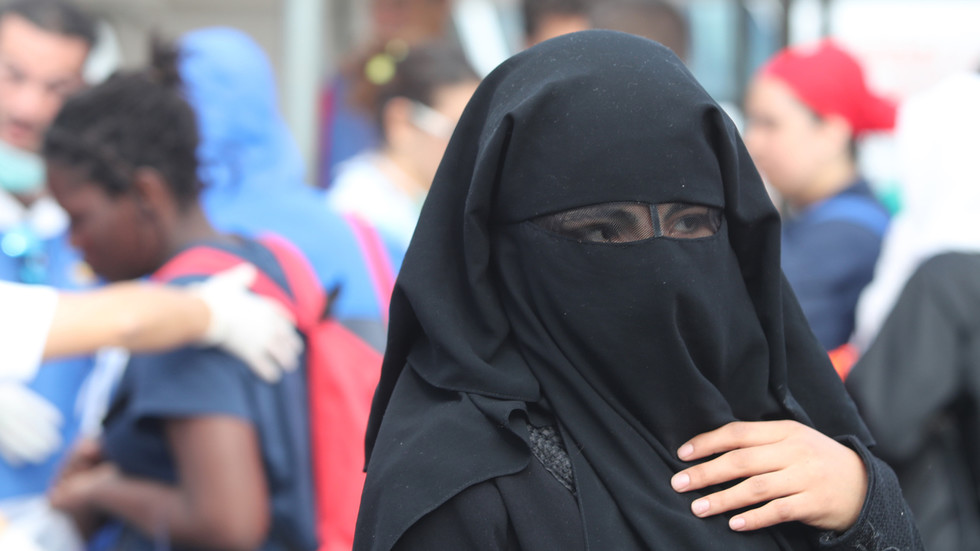
Italy’s ruling Brothers of Italy party has put forth a draft proposal that seeks to ban Muslim clothing obstructing facial recognition in public areas. Violations coudl lead to fines up to €3,000. This extends beyond simply full-face veils like the niqab and burqa, encompassing any garment that hinders identification.
The measure doesn’t stop there.It also aims to increase financial openness within places of worship, making it easier to track foreign funding sources.Furthermore,the proposal calls for outlawing “virginity tests” and imposing stricter penalties for forced marriages – practices the party deems violations of human dignity.
Why Now? The Rationale Behind the Move
The party frames this proposal as a necessary step to “protect Italian identity,citizen security,and women’s freedom.” They argue it’s not about suppressing religious expression, but preventing its misuse to justify practices that clash with constitutional principles and societal norms. MP Galeazzo Bignami emphasizes the proposal’s intent to provide “concrete tools to stop the spread of fundamentalist practices and opaque financing that threaten security and social cohesion.”
But is this a genuine security concern, or a reflection of broader anxieties about cultural integration? the debate is complex, and understanding the context is crucial.
A Growing Trend: Europe’s Restrictions on Face Coverings
Italy isn’t acting in isolation. france pioneered the full ban on the niqab in public spaces back in 2011, with penalties ranging from fines to community service. Since then, Belgium, Austria, Denmark, the Netherlands, and Switzerland have followed suit with similar measures.
Switzerland even issued its first fine under a 2021 ban, demonstrating a willingness to enforce these regulations. This trend highlights a growing concern across Europe regarding the visibility and integration of Muslim women in public life. However, it’s a path not without controversy.
The Counterarguments: Concerns About Religious Freedom and marginalization
The United Nations has voiced concerns that such bans could infringe upon religious freedom and inadvertently marginalize Muslim women further.Critics argue that restricting clothing choices can limit women’s participation in public life and reinforce existing societal biases.
Is a ban truly empowering, or does it further isolate and control a vulnerable population? This is a central question driving the opposition to these measures. It’s important to consider whether addressing underlying societal issues – like discrimination and lack of possibility – might be a more effective approach than restricting personal expression.
Evergreen Insights: Navigating the Complexities of Integration and Security
The debate surrounding face coverings is a microcosm of the larger challenges facing modern multicultural societies. Successfully integrating diverse communities requires a delicate balance between upholding essential rights, ensuring public safety, and fostering mutual respect.
Here are some timeless considerations:
* Context Matters: Each country’s past, social, and political context shapes its approach to integration.
* Dialog is Key: Open and honest conversations between communities are essential for building trust and understanding.
* Empowerment, Not Restriction: Supporting the empowerment of marginalized groups is more effective than imposing restrictions.
* Focus on Root Causes: Addressing the underlying causes of social unrest and extremism is crucial for long-term security.
* Protecting Individual Liberties: Safeguarding fundamental rights, including religious freedom, is paramount in a democratic society.
Frequently Asked Questions (FAQ)
Q: What is Italy’s current law regarding face coverings?
A: Italy already has a law from 1975 prohibiting garments that fully cover the face in public, but it primarily targeted masks and helmets used for concealment, not religious attire.
Q: What specific practices, besides face coverings, does the proposed italian ban address?
A: The proposal also aims to increase financial transparency in places of worship, ban “virginity tests,” and impose harsher penalties for forced marriages.
Q: Which European countries have already implemented bans on face coverings?