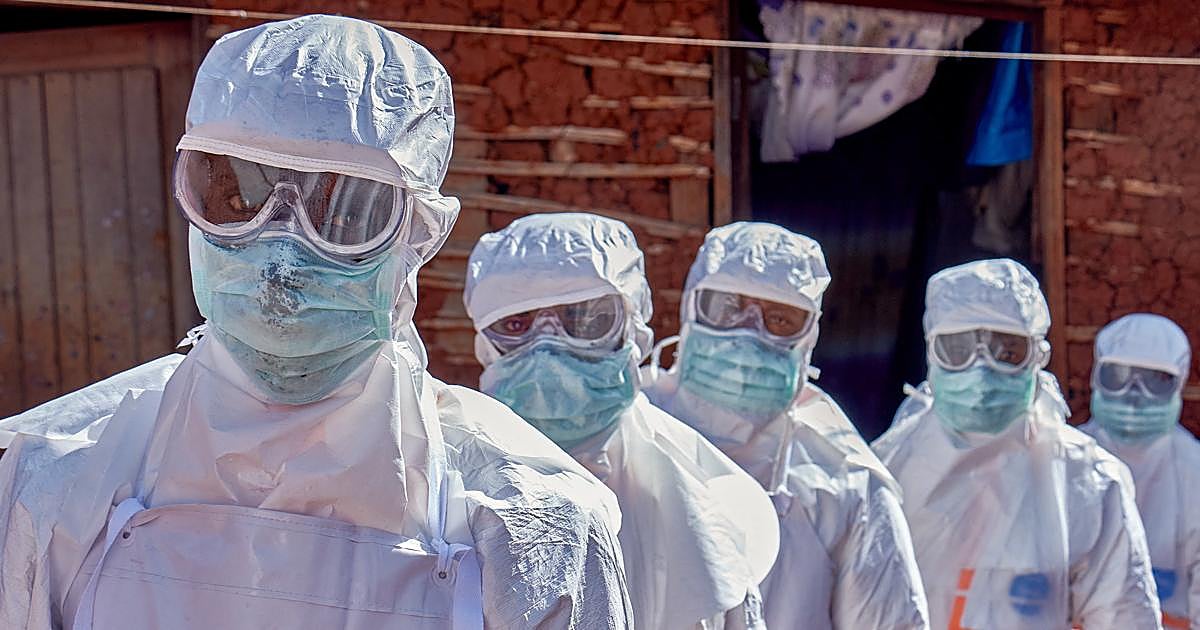
Public health authorities in Italy have confirmed that two aid workers, recently arrived from Uganda and hospitalized with symptoms including fever, have tested negative for Ebola. The situation, which prompted a swift activation of national surveillance protocols in Milan, highlights the ongoing international vigilance regarding the current Ebola outbreak in East Africa.
As the global community monitors the health crisis in Uganda, the incident in Italy serves as a reminder of the robust diagnostic capabilities now standard in European healthcare systems. Medical professionals moved quickly to isolate the patients upon their return, ensuring that testing was conducted according to established international safety guidelines. The negative results have since provided significant relief to local health officials and the broader public.
Understanding the Surveillance Protocol
When individuals arrive from regions currently experiencing outbreaks of viral hemorrhagic fevers, European health ministries, including the Italian Ministry of Health, implement rigorous screening measures. These protocols are designed to identify potential cases early, providing immediate isolation and access to specialized diagnostic testing. The primary goal is to prevent community transmission while ensuring that patients receive the necessary care if a diagnosis is confirmed.
In the case of the two individuals hospitalized in Milan, the rapid response underscores the effectiveness of current travel health advisories and diagnostic readiness. The World Health Organization (WHO) provides comprehensive guidance on managing potential Ebola cases, emphasizing that early detection and supportive care are the cornerstones of managing the disease effectively. These measures are critical for maintaining public safety during periods of heightened international health concern.
The Global Context of Ebola Monitoring
The Ebola virus, particularly the Sudan strain which has been the focus of recent outbreaks, remains a significant concern for international health organizations. While the situation in Italy was successfully contained and cleared, the global health landscape continues to track the evolution of the virus in affected regions. Organizations such as the Centers for Disease Control and Prevention (CDC) maintain ongoing monitoring of transmission patterns and provide updated information for travelers and healthcare providers worldwide.
The vigilance seen in Europe is mirrored in other regions, where health authorities are working to support containment efforts in Uganda and neighboring countries. This cooperative approach is essential for limiting the spread of the virus and ensuring that resources are directed where they are most needed. By maintaining stringent reporting and surveillance, nations can better manage the risk of imported cases while supporting international efforts to eradicate the disease at its source.
What Comes Next for Public Health Preparedness
For the general public, the primary takeaway from this event is the importance of staying informed through official channels. Health ministries frequently update their travel guidance, and individuals planning international travel to affected regions are encouraged to consult their local health department or the European Centre for Disease Prevention and Control (ECDC) for the latest advisories. These resources provide the most accurate information on vaccination requirements, symptoms to watch for, and steps to take if illness develops after travel.
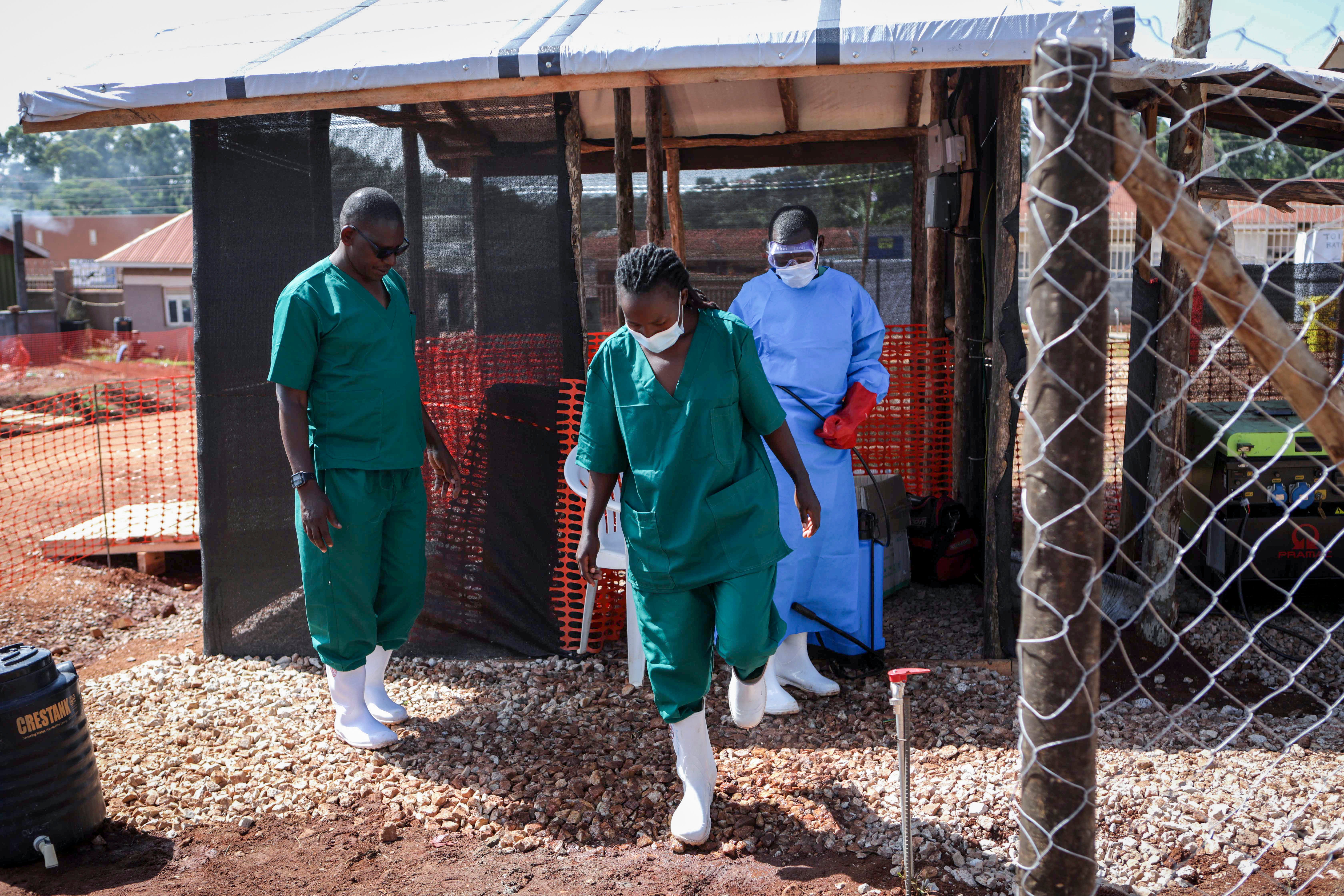
As we continue to navigate these global health challenges, the role of transparent communication and rapid diagnostic response remains paramount. The negative test results in Italy demonstrate that while the risk of Ebola is a serious consideration, the infrastructure to detect and manage such threats is functioning as intended. We will continue to monitor official reports from global health agencies regarding the status of the outbreak and any updates to travel or health protocols.
If you have questions regarding personal health precautions or recent travel experiences, please contact your primary healthcare provider or local public health authority. We encourage our readers to share their thoughts and experiences in the comments section below, as we continue to track this developing story with the rigor and care our global audience expects.
Related reading