
Italy Approves Extradition of Chinese Hacker Accused of Stealing COVID-19 Vaccine Research
In a decision with significant implications for international cybersecurity and diplomatic relations, the Italian government has approved the extradition of a Chinese national accused by the United States of orchestrating a sophisticated cyber-espionage campaign to steal COVID-19 vaccine research. The case, which has drawn attention from global health authorities and intelligence agencies, underscores the ongoing risks of state-sponsored hacking targeting medical innovation during public health crises.
Xu Zhiwei, a 33-year-old cybersecurity specialist, was arrested at Milan’s Malpensa Airport in July 2025 following a U.S. Extradition request. Italian Prime Minister Giorgia Meloni’s government confirmed the extradition decision on April 26, 2026, following a court ruling earlier in the month that deemed the request legally valid. If extradited, Xu will face nine federal charges in the U.S., including conspiracy to commit computer fraud, aggravated identity theft, and theft of trade secrets related to COVID-19 vaccine development, treatments, and diagnostic research.
The case has reignited tensions between Washington and Beijing over cyber-espionage, while also highlighting Italy’s delicate balancing act as it navigates relations with both superpowers. For global health experts, the allegations raise urgent questions about the security of biomedical research and the potential consequences of intellectual property theft during pandemics.
The Allegations: A Coordinated Cyber Campaign Targeting U.S. Research
According to the U.S. Department of Justice (DOJ), Xu’s activities spanned from February 2020 to June 2021—a critical period in the global race to develop COVID-19 vaccines and therapeutics. Prosecutors allege that Xu, acting on behalf of China’s Ministry of State Security (MSS) and its Shanghai State Security Bureau (SSSB), targeted American universities, pharmaceutical companies, and research institutions to steal proprietary data on vaccine candidates, antiviral treatments, and diagnostic testing methods.
The DOJ’s indictment, unsealed in 2023, details a multi-pronged hacking operation that exploited vulnerabilities in Microsoft Exchange servers—a campaign known as HAFNIUM. The U.S. Federal Bureau of Investigation (FBI) has linked this operation to breaches affecting over 60,000 entities worldwide, with confirmed intrusions at more than 12,700 organizations. While the FBI has not publicly specified how many of these breaches were tied to COVID-19 research, the timing and targets align with the pandemic’s peak research activity.
A key figure in the operation, Xu is accused of working under the cover of PowerLock Network, a Shanghai-based cybersecurity firm that U.S. Officials describe as a front for state-sponsored hacking. The DOJ’s indictment states that Xu and his co-conspirators used phishing emails, malware, and zero-day exploits to gain unauthorized access to research databases, exfiltrating terabytes of sensitive data. The stolen information allegedly included preclinical trial results, manufacturing processes, and proprietary algorithms used in vaccine development.
Read the full DOJ indictment here.
Legal and Diplomatic Fallout: Italy’s Role in a Geopolitical Tug-of-War
Xu’s arrest and pending extradition have placed Italy at the center of a geopolitical storm. The U.S. Has long accused China of engaging in systematic cyber-espionage to gain economic and technological advantages, particularly in sectors like biotechnology, artificial intelligence, and semiconductor manufacturing. Beijing, however, has consistently denied these allegations, framing them as politically motivated attempts to contain China’s rise.
Italy’s decision to approve Xu’s extradition comes at a time of strained relations between Rome and Beijing. In 2023, Italy formally withdrew from China’s Belt and Road Initiative (BRI), a move that drew sharp criticism from Chinese officials. Analysts suggest that the extradition could serve as a conciliatory gesture toward Washington, particularly as Italy seeks to strengthen its ties with NATO and the European Union amid rising global instability.
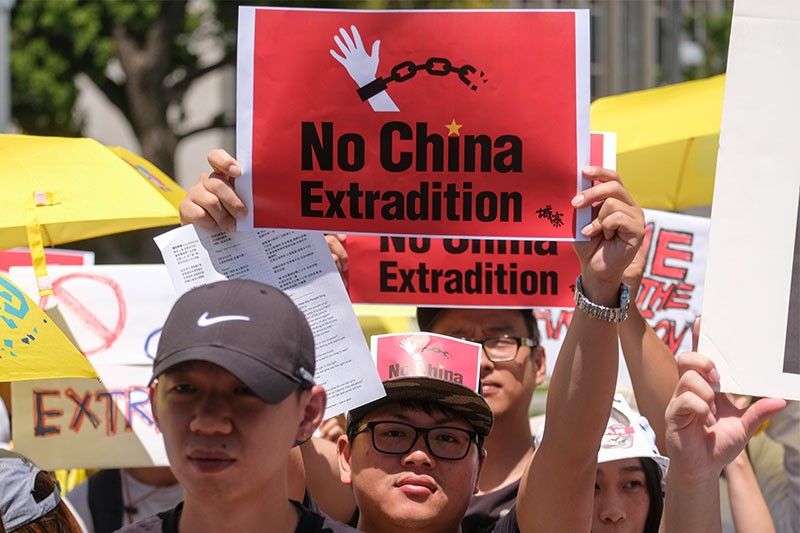
“This case is a litmus test for Italy’s foreign policy priorities,” said Dr. Francesca Ghiretti, a senior analyst at the Istituto Affari Internazionali (IAI) in Rome. “By siding with the U.S., Italy is signaling its commitment to transatlantic security partnerships, but it also risks further alienating China at a time when economic cooperation remains critical.”
Xu’s legal team has argued that extradition would violate his rights, citing concerns over potential political persecution in the U.S. Italian courts, however, rejected these claims, ruling that the charges against Xu are criminal—not political—in nature. The final extradition order now rests with Italy’s Ministry of Justice, which is expected to execute the transfer within weeks.
Why This Case Matters for Global Health Security
The theft of COVID-19 research data is not an isolated incident. Since the pandemic’s onset, cybersecurity firms and intelligence agencies have documented a surge in state-sponsored hacking targeting biomedical institutions. A 2022 report by Interpol warned that cybercriminals and nation-state actors were increasingly focusing on healthcare systems, with vaccine research emerging as a prime target. The report highlighted that such attacks could delay medical breakthroughs, undermine public trust in vaccines, and even endanger lives by disrupting supply chains.
For the pharmaceutical industry, the case underscores the need for heightened cybersecurity measures. Companies like Pfizer, Moderna, and AstraZeneca—all of which developed COVID-19 vaccines—have invested heavily in protecting their intellectual property, but experts warn that no system is entirely foolproof. “The scale and sophistication of these attacks are evolving faster than our defenses,” said Dr. Sandra Wachter, a professor of technology and regulation at the Oxford Internet Institute. “We’re seeing a shift from opportunistic hacking to highly targeted, state-backed operations with clear strategic objectives.”
The implications extend beyond corporate losses. Stolen research data could be used to accelerate China’s own vaccine development programs, potentially giving Chinese manufacturers an unfair advantage in global markets. The unauthorized release of sensitive trial data could fuel vaccine hesitancy by casting doubt on the safety and efficacy of approved vaccines.
Public health officials are also concerned about the precedent this case sets. “If states can steal research with impunity, it creates a chilling effect on scientific collaboration,” said Dr. Soumya Swaminathan, former Chief Scientist at the World Health Organization (WHO). “During a pandemic, the free exchange of data is critical to saving lives. Cyber-espionage undermines that principle.”
What Happens Next?
Xu’s extradition is expected to proceed in the coming weeks, though his legal team may file last-minute appeals. Once in the U.S., he will face trial in the Southern District of Texas, where the indictment was filed. If convicted on all counts, he could face decades in prison.
For the U.S., the case is part of a broader effort to hold Chinese hackers accountable. In recent years, the DOJ has indicted multiple individuals linked to state-sponsored cyber-espionage, including members of the APT41 and APT10 hacking groups. However, China’s refusal to extradite its own nationals has limited the impact of these legal actions, leaving many cases unresolved.
Meanwhile, the global health community is watching closely. The WHO and other international bodies have called for stronger protections for biomedical research, including the adoption of cybersecurity standards for health data and greater transparency in reporting cyber incidents. Some experts have also proposed creating a global treaty on medical cyber-espionage, though such an agreement remains a distant prospect given the current geopolitical climate.
Read Interpol’s report on COVID-19 cyber threats here.
Key Takeaways
- Who is Xu Zhiwei? A 33-year-old Chinese national accused of hacking U.S. Institutions to steal COVID-19 vaccine research on behalf of China’s Ministry of State Security.
- What are the charges? Nine federal counts, including conspiracy to commit computer fraud, aggravated identity theft, and theft of trade secrets.
- Why does this matter? The case highlights the risks of state-sponsored cyber-espionage targeting biomedical research, which could delay medical breakthroughs and undermine public health.
- What’s next? Italy has approved Xu’s extradition to the U.S., where he will face trial. The case could strain Italy-China relations while strengthening U.S.-Italy ties.
- Broader implications: The incident underscores the need for stronger cybersecurity measures in the healthcare sector and international cooperation to protect medical research.
Frequently Asked Questions
1. How did Xu Zhiwei allegedly steal the research?
According to the DOJ, Xu and his co-conspirators used phishing emails, malware, and exploits targeting vulnerabilities in Microsoft Exchange servers to gain unauthorized access to research databases. They then exfiltrated sensitive data, including preclinical trial results and manufacturing processes.
2. Why is Italy involved in this case?
Xu was arrested in Italy in July 2025 after the U.S. Filed an extradition request. Italian courts reviewed the request and ruled that the charges were valid, paving the way for his transfer to the U.S. Italy’s decision reflects its broader foreign policy priorities, including its alignment with NATO and the EU.
3. What is the HAFNIUM hacking campaign?
HAFNIUM is a cyber-espionage group linked to China that exploited vulnerabilities in Microsoft Exchange servers in 2021. The campaign affected tens of thousands of organizations worldwide, including government agencies, healthcare providers, and research institutions. The U.S. Government has attributed the operation to China’s Ministry of State Security.
4. Could this case lead to diplomatic consequences?
Yes. China has strongly condemned the extradition, calling it a politically motivated move. The case could further strain China-Italy relations, particularly as Italy seeks to distance itself from Beijing’s influence. Conversely, it may strengthen ties between Italy and the U.S.
5. How can research institutions protect themselves from cyber-espionage?
Experts recommend several measures, including:
- Implementing multi-factor authentication (MFA) for all systems.
- Regularly updating and patching software to address vulnerabilities.
- Conducting cybersecurity training for staff to recognize phishing attempts.
- Encrypting sensitive data and limiting access to authorized personnel only.
- Collaborating with cybersecurity firms to monitor and respond to threats.
The Road Ahead
The next critical step in this case is Xu’s physical transfer to the U.S., which is expected to occur within the next 30 days. Once extradited, his trial will begin in the Southern District of Texas, where prosecutors will present evidence linking him to the hacking campaign. Legal observers anticipate a lengthy legal battle, with Xu’s defense likely to challenge the admissibility of evidence and the political nature of the charges.
For the global health community, the case serves as a stark reminder of the vulnerabilities in biomedical research. As nations race to develop treatments for emerging diseases, the protection of intellectual property will remain a critical—yet increasingly contested—priority. The outcome of Xu’s trial could set a precedent for how cyber-espionage cases are prosecuted in the future, shaping the legal and diplomatic landscape for years to come.
We will continue to monitor this story as it develops. For the latest updates, follow World Today Journal’s Health section. Have questions or insights on this case? Share your thoughts in the comments below.
Keep reading