Italy’s 2026 Budget: Key Changes, Controversies, and What They Mean for You
Italy’s draft 2026 budget has undergone important revisions in recent weeks, sparking debate and raising questions about the government’s priorities. After facing scrutiny from the European central Bank (ECB) and internal coalition disagreements, the amended budget is now heading for a parliamentary vote. Here’s a comprehensive breakdown of the key changes and what they could mean for you, weather you’re a resident, investor, or simply following Italian economic developments.
The Bridge Project & Infrastructure Investments
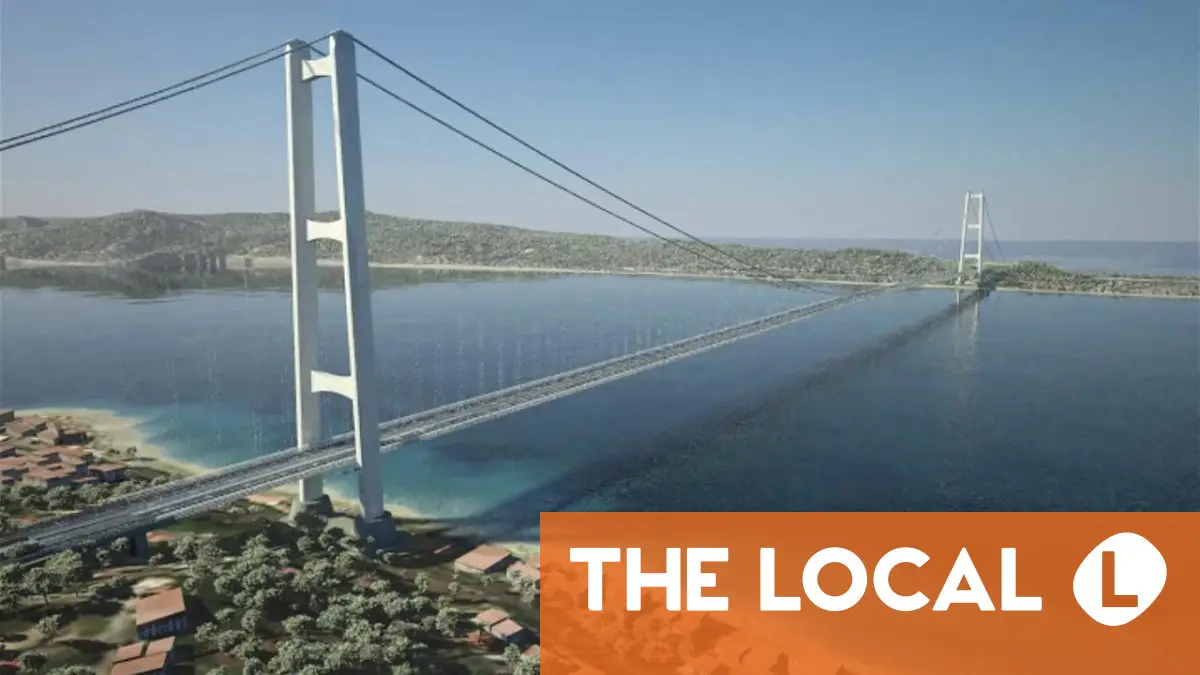
The controversial Strait of Messina Bridge project, linking Sicily and mainland Italy, remains a central focus. Despite delays, the allocated €8.6 billion ($9.3 billion USD) funding remains unchanged.Construction is now anticipated to begin in 2026, a shift from the previously planned late 2025 start date.
Beyond the bridge, the budget allocates substantial funds to public works. Specifically, €800 million will be available in 2026, followed by an additional €400 million in 2027, to accelerate completion of ongoing projects. €150 million is earmarked for housing policies across 2026 and 2027.
Business & Tax Incentives: A Shifting Landscape
Several key changes impact businesses operating in Italy:
* Business Investment Tax credits: Extended to September 2028, but with modifications.
* “Green” Bonus Removal: The previous incentive for environmentally friendly investments has been eliminated.
* EU-Made Equipment Requirement: To qualify for tax credits, equipment purchased must now be manufactured within the European Union.
* Southern Italy Boost: Tax credits for businesses in Southern Italy’s Special Economic Zone (ZES) have dramatically increased, jumping from 15-18% to around 58%.This aims to stimulate economic growth in the region.
Navigating the EU Recovery Funds (PNRR)
The budget includes adjustments to the allocation of funds from the EU’s NextGenerationEU recovery plan (PNRR). These adjustments are crucial for Italy to meet its commitments and unlock further funding.
The Gold Reserve Controversy – A Retreat
A particularly contentious clause regarding italy’s gold reserves has been significantly revised. Initially, the budget proposed declaring the gold “belonging to the Italian people.” However, following warnings from the ECB about potential threats to the Bank of Italy’s independence, the language has been softened. The ECB had previously urged Italy to “reconsider” the amendment, citing a lack of clarity in its purpose and speculation about using the reserves to reduce national debt.
Reversals and Compromises: Short-Term Rental Tax
The government demonstrated a willingness to compromise by reversing a planned increase in the flat-rate tax on short-term rental income. The proposed hike from 21% to 26%, wich would have cost property owners approximately €1,300 annually, was scrapped due to opposition from coalition partners, notably Deputy Prime Minister Antonio Tajani’s Forza Italia party.
Political Reactions & Next Steps
The timing of the budget submission has drawn criticism from opposition parties. Democratic Party senator Francesco Boccia labeled the delay a “clear sign they have no respect for Parliament.” Stefano Patuanelli of the Five Star Movement argued the amendment “entirely rewrites the budget” and requested additional time for review.
What’s Next?
* Senate Debate: december 22nd
* Senate Vote: December 23rd
* Chamber of deputies Review: Before the end of the year for final approval.
Staying Informed
This budget represents a complex set of changes with potentially far-reaching consequences. You can find more detailed information from these sources:
* Il Sole 24 Ore
* [The Local Italy – 2026 Budget Affecting Foreigners](https://www.thelocal.it/202
Worth a look