Italy Grapples with Industrial Transformation: A Forum for the Future
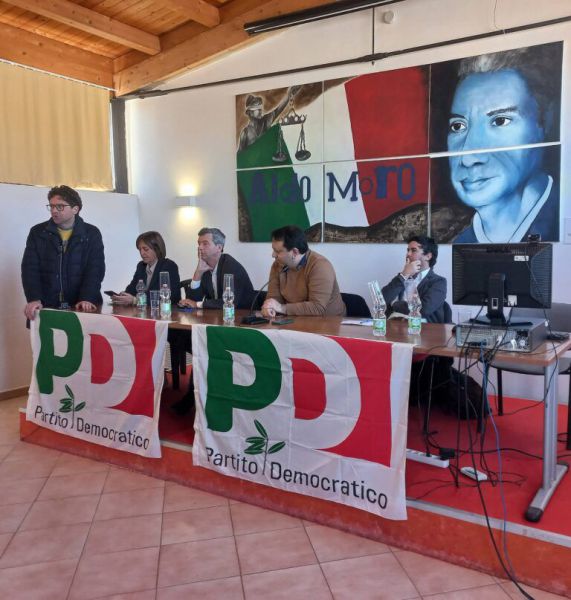
Vasto, Italy – Discussions surrounding “Modern industrial policies to govern transformations” took center stage today in Vasto, at a meeting held in the Sala Aldo Moro. The event served as a crucial forum for addressing the future of industry and employment within Italy’s regional economies, emphasizing the require for collaborative dialogue between institutions, the workforce, and research sectors to navigate evolving economic landscapes. The meeting underscores a growing national conversation about adapting to change while safeguarding jobs and fostering sustainable development.
The imperative to modernize Italy’s industrial base comes amid broader global shifts driven by technological advancements, geopolitical pressures, and the urgent need for environmental sustainability. Italy, like many European nations, is striving to balance economic growth with social responsibility, ensuring that the benefits of industrial transformation are widely shared. This requires proactive policies that support workforce retraining, incentivize innovation, and promote regional cohesion. The discussion in Vasto represents a localized effort to contribute to this larger national strategy.
Mayor Francesco Menna of Vasto opened the proceedings, highlighting the importance of a unified approach to tackling the challenges presented by economic and productive transformations. He stressed that effective solutions require a strong partnership between governmental bodies, labor organizations, and the academic community. Menna’s opening remarks set the tone for a day dedicated to exploring strategies for navigating these complex issues and building a more resilient and inclusive industrial future for the region.
The “Green Paper” and the Role of the Democratic Party
The meeting featured participation from Andrea Orlando, former Minister of Environment, Justice, Labor and Social Policies, who currently leads the Forum Industria within the Democratic Party (Partito Democratico). Orlando presented the “Green Paper on the Future of Industry,” a document developed by the Forum as a central contribution to shaping policies that can effectively manage economic, productive, and social changes. The Green Paper aims to provide a framework for protecting employment, territories, and social cohesion during periods of significant industrial restructuring. The Partito Democratico has positioned itself as a key advocate for policies that prioritize a just transition for workers and communities affected by industrial shifts.
According to Mayor Menna, the Green Paper is a vital resource for reflecting on how to accompany these processes of transformation. “It’s a central contribution to reflect on how to accompany the processes of economic, productive and social transformation, protecting operate, territories and social cohesion,” he stated. The document’s focus on social cohesion is particularly relevant in regions like Abruzzo, where traditional industries are facing increasing competition and the need to adapt to new technologies.
Participants and Key Discussions
The event was moderated by Andrea Catena and drew a diverse range of participants, including political figures, academics, and representatives from the world of work. Senator Michele Fina, Simone Oggionni, and Roberta Tomasi were among those who contributed to the discussions. Crucially, the meeting also included representatives from labor unions (Rappresentanze Sindacali Unitarie – RSU) and social partners, ensuring that the voices of workers were directly integrated into the conversation. This inclusive approach is seen as essential for developing policies that are both effective and equitable.
The presence of representatives from the RSU is particularly significant, as these organizations play a vital role in advocating for the rights and interests of workers during periods of industrial change. Their input provides valuable insights into the practical challenges faced by employees and helps to ensure that policies are designed to mitigate potential negative impacts. The inclusion of diverse perspectives is a hallmark of the Democratic Party’s approach to industrial policy.
Focus on Regional Development and Employment
The meeting in Vasto is part of a broader initiative led by the Democratic Party to address the economic and industrial challenges facing Italy. The party aims to develop policies that can safeguard employment, promote territorial development, and maintain social cohesion in the face of ongoing transformations. This initiative reflects a growing recognition that a proactive and coordinated approach is needed to ensure that Italy remains competitive in the global economy while protecting the well-being of its citizens.
The focus on regional development is particularly important in areas like Vasto, which rely on a mix of traditional industries and emerging sectors. Supporting local businesses, attracting investment, and fostering innovation are key priorities for ensuring the long-term economic vitality of these communities. The discussions in Vasto likely explored strategies for leveraging regional strengths and addressing specific challenges faced by local industries.
The Legacy of Aldo Moro and the Importance of Dialogue
The choice of the Sala Aldo Moro as the venue for this meeting is not accidental. Aldo Moro, a prominent Italian statesman and former Prime Minister, was tragically kidnapped and murdered by the Red Brigades in 1978. His life and death remain a powerful symbol of the political turmoil and social divisions that characterized Italy in the 1970s. Holding the meeting in a space named in his honor serves as a reminder of the importance of dialogue, compromise, and a commitment to democratic values in navigating complex challenges.
Moro was a key figure in Italian politics for decades, known for his efforts to build consensus and bridge divides between different political factions. His commitment to social justice and economic development continues to inspire policymakers today. By holding this meeting in the Sala Aldo Moro, the organizers sought to invoke his spirit of collaboration and emphasize the need for a constructive approach to addressing the challenges facing Italy’s industrial sector.
Looking Ahead: Next Steps and Continued Dialogue
The meeting in Vasto represents an important step in the ongoing conversation about the future of Italian industry. The Democratic Party is expected to continue its consultations with stakeholders across the country, refining the Green Paper and developing concrete policy proposals. The next key milestone will be the presentation of the final policy recommendations, which are anticipated in the coming months. The Italian government will then be responsible for considering these recommendations and incorporating them into its broader industrial strategy.
The success of this effort will depend on the ability of policymakers to build a broad consensus around a shared vision for the future of Italian industry. This will require ongoing dialogue, a willingness to compromise, and a commitment to prioritizing the needs of workers and communities. The meeting in Vasto has laid the groundwork for this process, demonstrating the potential for constructive engagement and collaborative problem-solving.
The challenges facing Italy’s industrial sector are significant, but the country has a long history of innovation and resilience. By embracing new technologies, investing in education and training, and fostering a supportive business environment, Italy can position itself for continued success in the global economy. The discussions in Vasto offer a glimpse of the strategies being considered to achieve this goal.
Readers interested in following the developments of this initiative are encouraged to monitor the website of the Partito Democratico and the Italian government for updates on the Green Paper and related policy proposals. Your comments and perspectives are also welcome below – let us know what you reckon about the future of Italian industry.
Worth a look
- Hungary Energy Crisis: Major Companies Cut Power Usage Amid Escalating Emergency
- Can Italy Suspend the Schengen Agreement with Spain?
- Texas Heat Vulnerability: The Cost of Extreme Weather Policies (news-usa.today)
- Dream Industrial REIT Enters UK Multi-Let Market and Expands European Ventures (archyde.com)