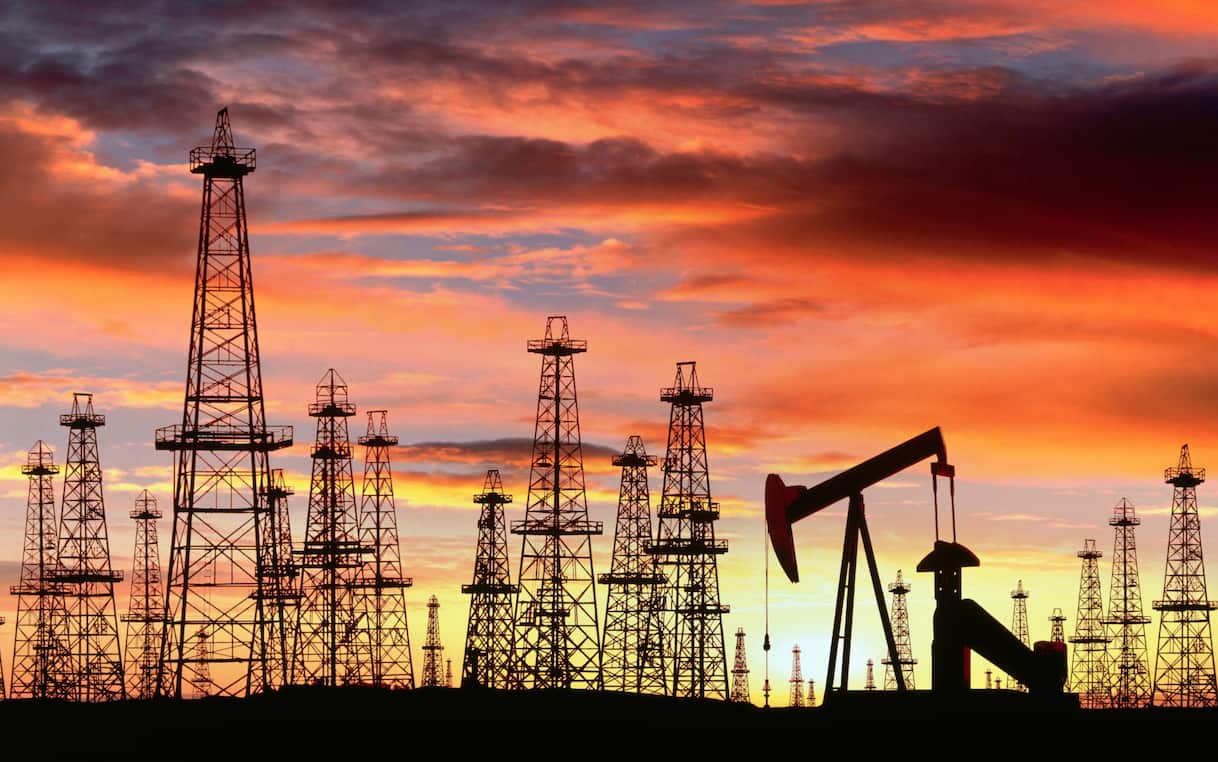
The global energy market is once again bracing for potential disruption as tensions escalate in the Middle East, impacting oil supply routes and prompting a reassessment of Italy’s energy import strategy. While a broader conflict threatens to drive up prices, a notable trend has emerged: Italy is diversifying its oil sources, reducing its reliance on the Middle East, even before the recent surge in geopolitical instability. This shift, however, doesn’t necessarily translate to immunity from global price shocks, as the interconnectedness of the oil market means disruptions anywhere can ripple across the world.
Italy’s energy security has long been a subject of scrutiny, given its heavy dependence on imported fossil fuels. The current situation, marked by heightened tensions involving Iran and its regional proxies, underscores the vulnerability of supply chains and the importance of diversification. The recent escalation follows strikes by the US and Israel on Iran, leading to retaliatory actions that have impacted several nations, raising concerns about potential disruptions to critical infrastructure and shipping lanes. The situation is further complicated by the ongoing conflict in Ukraine, which continues to exert pressure on global energy markets.
Italy’s Shifting Oil Import Landscape
Recent data indicates a significant decrease in Italy’s oil imports from the Middle East. Compared to 2024, Rome purchased 27.1% less crude oil from the region. This decline is particularly pronounced with Kuwait, experiencing a 69.5% reduction, followed by Iraq at 35.4%, and Saudi Arabia at 12.8%. This trend suggests a deliberate strategy to lessen dependence on politically volatile areas, although the timing relative to the current crisis requires careful consideration. The shift isn’t about eliminating Middle Eastern oil entirely, but rather about reducing exposure to specific risks.
Concurrently, Italy has increased its oil imports from other regions. Imports from Africa have risen by 11.9%, and from the Americas by 13.2%. Brazil stands out with a substantial 122.1% increase in oil exports to Italy, becoming a more significant supplier. Imports from Europe, however, have decreased by 23.7%. This diversification strategy reflects Italy’s efforts to secure more stable and reliable energy sources, mitigating the risks associated with geopolitical instability in the Middle East. The recent dispute between Iraq and Kuwait over maritime borders, while seemingly separate, highlights the ongoing regional tensions that contribute to supply chain vulnerabilities.
Geopolitical Context and Regional Tensions
The current crisis stems from a series of escalating events. On February 23, 2026, Gulf countries pledged support for Kuwait’s sovereignty after Iraq submitted new maritime coordinates and an updated map to the United Nations, sparking a dispute over territorial waters. Qatar, Bahrain, Oman, Saudi Arabia, and the United Arab Emirates all backed Kuwait, viewing Iraq’s move as a violation of international law and Kuwaiti sovereignty. This dispute, while focused on maritime boundaries, underscores the broader geopolitical complexities in the region.
The broader Middle East has been a focal point of conflict, with Iran facing increased pressure from the United States, and Israel. Recent reports indicate strikes targeting several nations, including Saudi Arabia, Bahrain, Qatar, the United Arab Emirates, Kuwait, Jordan, Oman, and Iraq, following attacks on Iran. These strikes, attributed to Iran, have prompted airspace closures and disruptions to global aviation, further exacerbating concerns about regional stability. The Independent reports that drones were intercepted at RAF Akrotiri in Cyprus, launched by Hezbollah from Lebanon, demonstrating the widening scope of the conflict.
Impact on Oil Prices and Global Markets
The escalating tensions in the Middle East inevitably impact global oil prices. Any disruption to oil supply, whether through direct attacks on infrastructure or the closure of key shipping lanes like the Strait of Hormuz, can lead to significant price increases. The Strait of Hormuz is a critical chokepoint for global oil trade, and any blockage would have severe consequences for the world economy. While Italy’s diversification efforts offer some protection, the country remains vulnerable to broader market fluctuations.
The price of Brent crude, the international benchmark, has already seen increased volatility in recent days, reflecting market concerns about potential supply disruptions. Analysts predict that further escalation could push prices significantly higher, potentially triggering inflationary pressures and slowing economic growth. The situation is particularly concerning for countries heavily reliant on oil imports, like Italy, which could face increased energy costs and economic hardship.
Italy’s Energy Mix and Future Strategies
Italy’s energy mix is currently dominated by fossil fuels, but the country is actively pursuing a transition towards renewable energy sources. The government has set ambitious targets for increasing the share of renewables in the energy mix, with a focus on solar, wind, and hydro power. However, the transition to renewable energy is a long-term process, and Italy will continue to rely on oil and gas for the foreseeable future.
The current crisis underscores the importance of accelerating the transition to renewable energy sources and reducing dependence on fossil fuels. Investing in renewable energy infrastructure, improving energy efficiency, and diversifying energy sources are crucial steps towards enhancing Italy’s energy security and mitigating the risks associated with geopolitical instability. The government is also exploring options for increasing domestic oil and gas production, but these efforts are likely to be limited by environmental concerns and geological constraints.
Key Takeaways
- Italy is reducing its reliance on Middle Eastern oil, increasing imports from Africa and the Americas, particularly Brazil.
- Geopolitical tensions in the Middle East, particularly involving Iran, are escalating and threatening oil supply routes.
- Diversification of energy sources is crucial for Italy’s energy security, but the country remains vulnerable to global price fluctuations.
- The transition to renewable energy is essential for long-term energy independence and mitigating the risks associated with fossil fuels.
Looking ahead, the situation remains fluid and unpredictable. The next key development will be the outcome of ongoing diplomatic efforts to de-escalate tensions in the Middle East. Further escalation could lead to more significant disruptions to oil supply and higher prices, while a diplomatic resolution could ease market concerns and stabilize prices. Italy will continue to monitor the situation closely and adjust its energy strategy accordingly. The Italian Ministry of Ecological Transition is expected to release an updated energy security report in early April, outlining the government’s response to the evolving geopolitical landscape.
What are your thoughts on Italy’s energy diversification strategy? Share your comments below and let us know how you think the current crisis will impact the global energy market.
Related reading