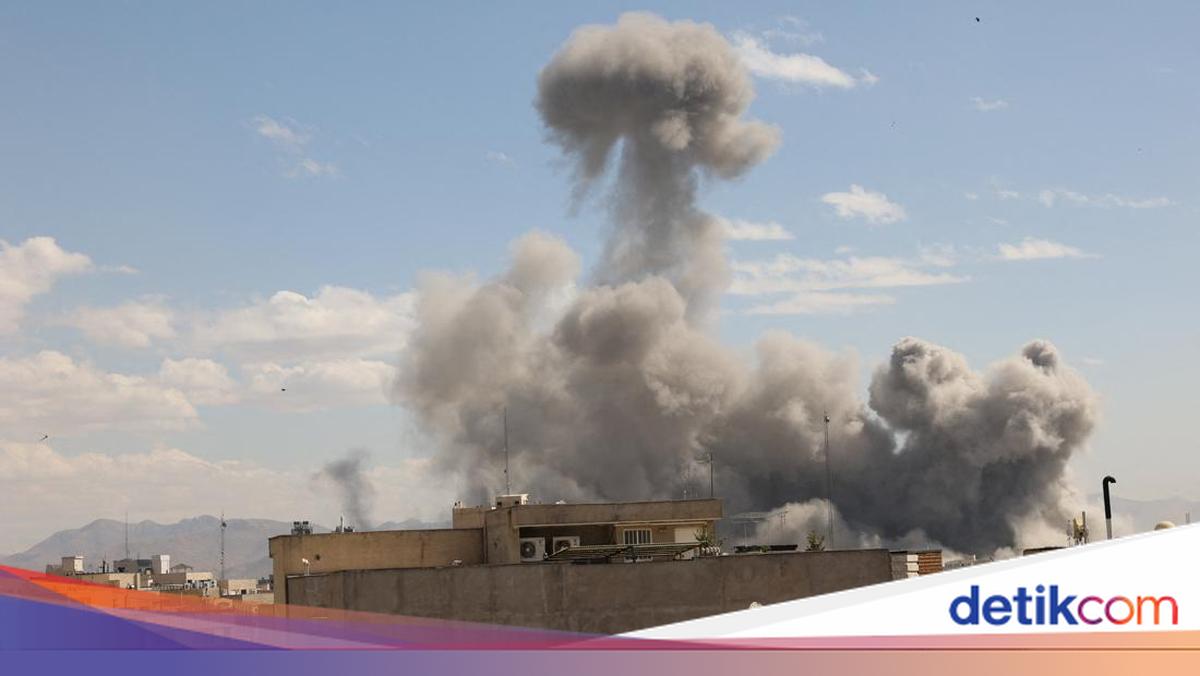
Escalating Conflict: Reported Death Toll in Iran Rises Following Joint US-Israel Strikes
Tehran – The conflict between Israel, the United States, and Iran continues to escalate, with reports emerging of a rising death toll within Iran following a series of large-scale strikes initiated by Washington and Tel Aviv. As of March 5, 2026, Iranian authorities report at least 867 fatalities resulting from the attacks that began on February 28, 2026. The strikes, targeting military sites and infrastructure across Iran, represent a significant intensification of tensions in the Middle East, building on a period of unrest that began in 2023.
The recent offensive, launched after weeks of military buildup and threats from former U.S. President Donald Trump, aims, according to Trump, to prevent Iran from developing nuclear weapons and to “defend the American people by eliminating imminent threats from the Iranian regime.” This action follows a period of heightened animosity, including the Twelve-Day War between Iran and Israel in June 2025, a conflict that underscored the volatile relationship between the two nations. The current situation marks a dangerous escalation beyond that earlier confrontation, with the direct involvement of the United States.
Hossein Kermanpour, a spokesperson for the Iranian Ministry of Health, stated that as of Thursday, March 5th, 5,946 individuals have been injured, with 2,184 still receiving medical care in hospitals across the country, according to a report by Anadolu Agency. The attacks have targeted a range of strategic locations, including missile facilities, naval assets, and command and control centers. A particularly significant development, confirmed by both Trump and Israeli officials, is the reported death of Iran’s Supreme Leader, Ayatollah Ali Khamenei, during the strikes.
Retaliation and Regional Impact
Iran has responded to the attacks with retaliatory missile and drone strikes targeting Israel and U.S. Facilities in several Gulf states, including Bahrain, Kuwait, Qatar, and the United Arab Emirates. Teheran claims that at least 560 U.S. Military personnel have been killed or wounded in these counterattacks, though U.S. Officials have confirmed a lower number of casualties – at least six deaths and several injuries among American troops. The U.S. Central Command (CENTCOM) reports that combined U.S. And Israeli forces have struck nearly 2,000 targets within Iran, utilizing over 2,000 munitions since the start of the operation. In response, Iran launched over 500 ballistic missiles and deployed more than 2,000 drones, according to CENTCOM.
The scale of the conflict is substantial. CENTCOM reports that Israeli and U.S. Forces have destroyed 950 drones before launch, as well as over 200 ballistic missile launchers and 120 surface-to-air missile launchers. The strikes reportedly destroyed eight AH-1J helicopters and five F-14A fighter jets. Iran, though, claims to have intercepted and destroyed a significant number of incoming missiles and drones, reporting the seizure of over 10,000 drones and the destruction of 61+ UAVs and cruise missiles. These figures remain unconfirmed by independent sources.
The Twelve-Day War and the Current Conflict
The current escalation builds upon the foundation of the Twelve-Day War fought between Iran and Israel in June 2025. That conflict, as detailed by Wikipedia, began with Israeli actions against Iran and lasted for twelve days. While the Twelve-Day War concluded with a ceasefire, it did not resolve the underlying tensions between the two nations. The current situation represents a significant broadening of the conflict, with the direct and substantial involvement of the United States. The ongoing 2026 Iran conflict, as noted by Wikipedia, is a continuation of the broader Middle Eastern crisis that began in 2023.
The involvement of other regional actors further complicates the situation. While the Twelve-Day War saw defensive support from countries like Iraq, Jordan, Saudi Arabia, and Qatar, the extent of their involvement in the current conflict remains unclear. France also provided defensive support during the 2025 war, and its current position is being closely monitored. The Houthi-controlled Yemen also played a role in the previous conflict, and their potential involvement in the current situation is a concern.
Allegations of Mossad Arrests and Executions
Iranian authorities have also made claims regarding the arrest and execution of individuals allegedly linked to Israeli intelligence. Reports indicate that over 700 Mossad agents have been arrested, with five reportedly executed. These claims have not been independently verified and are viewed with skepticism by international observers. The veracity of these reports remains unconfirmed, and further investigation is needed to ascertain the facts.
International Response and Future Outlook
The international community is closely monitoring the situation, with calls for de-escalation and a return to diplomatic solutions. The United Nations Security Council is expected to convene an emergency session to discuss the crisis. The potential for further escalation remains high, and the risk of a wider regional conflict is a significant concern. The involvement of multiple actors and the complex geopolitical dynamics of the Middle East make a peaceful resolution challenging.
The conflict’s impact extends beyond the immediate casualties and destruction. The disruption of oil supplies and trade routes could have significant economic consequences for the region and the global economy. The humanitarian crisis unfolding within Iran, with thousands injured and displaced, requires urgent attention and international assistance.
As of March 2, 2026, the Center for Preventive Action at the Council on Foreign Relations notes that the situation remains highly volatile. The strikes on February 28th represent a significant shift in the U.S. Approach to Iran, and the long-term consequences of this action are yet to be seen. The coming days and weeks will be critical in determining whether the conflict can be contained or if it will escalate further, potentially drawing in other regional and global powers.
The situation remains fluid, and further updates will be provided as they become available. Readers are encouraged to monitor official sources for the latest information and to engage in constructive dialogue about the challenges and potential solutions to this complex crisis.
- Russia and Ukraine Target Fuel Infrastructure in Escalating Strikes
- US and Saudi Arabia Strike Iran-Backed Militias as Middle East Tensions Escalate
- Disappointing Update: No Graphic Changes or Tattoo Updates (world-today-news.com)
- Netanyahu plays it safe in a Washington that’s cooled on Israel (archyde.com)