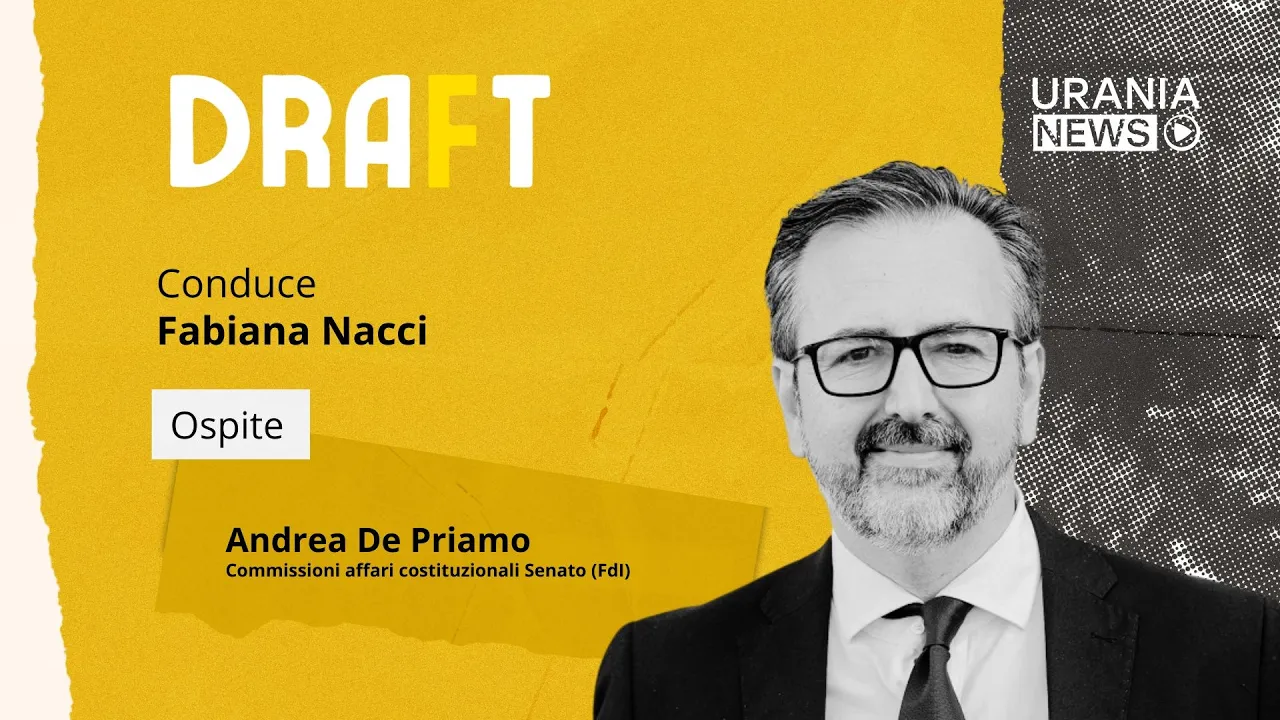
Italian Senator De Priamo Focuses on Urban Regeneration and Regional Powers
Rome, Italy – On Wednesday, February 25, 2026, Italian Senator Andrea De Priamo, representing the Fratelli d’Italia (FdI) party, participated in a discussion centered on critical issues facing Italy, including the reform of powers held by the capital city of Rome, the implementation of Essential Learning Performance (LEP) standards and strategies for urban regeneration and the development of smart cities. The conversation, part of a series called “Draft,” aimed to explore pathways for infrastructural, economic, and social revitalization across the nation. The event was hosted by Fabiana Nacci.
De Priamo’s involvement highlights the growing national focus on modernizing Italy’s urban landscapes and streamlining governance structures. The discussion encompassed a broad range of topics, from the specific challenges facing Rome to the broader implications of national policies on regional development. The Fratelli d’Italia party, led by Prime Minister Giorgia Meloni, has consistently emphasized the importance of strengthening local governance and promoting sustainable economic growth. De Priamo’s role within the Senate’s Constitutional Affairs Committees positions him as a key figure in shaping these policies.
Reforming Rome’s Powers and Implementing LEP Standards
A central theme of the discussion revolved around the ongoing efforts to reform the powers vested in Rome Capitale, the city’s governing body. These reforms aim to clarify jurisdictional responsibilities and improve the efficiency of local administration. The implementation of LEP standards, which define the essential learning outcomes for students across Italy, also featured prominently. The LEP standards are intended to ensure a consistent quality of education nationwide, but their implementation has faced challenges related to funding and regional disparities. Andrea De Priamo’s work in the Senate’s Constitutional Affairs Committees directly impacts the legislative processes surrounding both of these critical areas.
The complexities of implementing the LEP standards stem from the decentralized nature of the Italian education system. Regions have significant autonomy in managing their schools, leading to variations in curriculum and resource allocation. The national government’s role is to establish the overarching standards and provide funding, but ensuring equitable implementation requires close collaboration with regional authorities. The reforms to Rome’s powers are similarly complex, involving negotiations between the city government, the regional government of Lazio, and the national government.
The Promise of Smart Cities and Urban Regeneration
Beyond governance and education, the discussion also explored the potential of smart cities and urban regeneration to drive economic and social progress. Smart city initiatives leverage technology to improve the efficiency of urban services, enhance the quality of life for residents, and promote sustainable development. These initiatives can include investments in smart grids, intelligent transportation systems, and data-driven public safety solutions. Urban regeneration projects, focus on revitalizing neglected or underutilized areas of cities, often through a combination of infrastructure improvements, housing development, and cultural initiatives.
Italy faces significant challenges in modernizing its infrastructure and addressing the decline of many of its historic city centers. Many Italian cities struggle with aging infrastructure, traffic congestion, and a lack of affordable housing. Smart city technologies and urban regeneration projects offer potential solutions to these problems, but they require significant investment and careful planning. De Priamo’s participation in the “Draft” discussion underscores the importance of these issues on the national political agenda.
The concept of “smart cities” extends beyond technological implementation. It encompasses a holistic approach to urban planning that prioritizes citizen engagement, environmental sustainability, and economic inclusivity. Successful smart city initiatives require collaboration between government, businesses, and civil society organizations. The ethical implications of data collection and privacy must be carefully considered.
Andrea De Priamo’s Role and Fratelli d’Italia’s Agenda
Andrea De Priamo, as a member of the Senate’s Constitutional Affairs Committees, plays a crucial role in shaping the legislative framework for these initiatives. The Fratelli d’Italia party, known for its conservative and nationalist platform, has prioritized strengthening Italy’s national identity and promoting economic self-sufficiency. The party’s focus on urban regeneration and smart cities aligns with its broader goal of revitalizing the Italian economy and improving the quality of life for its citizens. The discussion provided a platform for De Priamo to articulate these priorities and engage with the public on these significant issues.
De Priamo’s background and political affiliations provide context for his involvement in these debates. As a representative of the Fratelli d’Italia party, he is likely to advocate for policies that align with the party’s core values. However, his role within the Senate’s Constitutional Affairs Committees also requires him to engage with lawmakers from other parties and to consider a wide range of perspectives. The success of these initiatives will depend on his ability to build consensus and navigate the complex political landscape of Italy.
The Fratelli d’Italia party has also emphasized the importance of protecting Italy’s cultural heritage while embracing innovation. This balancing act is particularly relevant in the context of urban regeneration, where preserving historic buildings and neighborhoods is often a key priority. The party’s commitment to both tradition and progress suggests a nuanced approach to urban development.
Looking ahead, the Italian Senate is expected to continue debating these issues in the coming months. The implementation of the LEP standards and the reform of Rome’s powers are likely to be key legislative priorities. The development of smart city initiatives and urban regeneration projects will also require ongoing attention and investment. Andrea De Priamo’s role in these debates will be closely watched by stakeholders across Italy.
The next significant step in the legislative process regarding the reform of Rome’s powers is a scheduled hearing before the Constitutional Affairs Committee on March 15, 2026, where further details of the proposed changes will be discussed. Readers interested in following these developments can identify updates on the Italian Senate’s official website. We encourage readers to share their thoughts and perspectives on these important issues in the comments section below.
Worth a look