
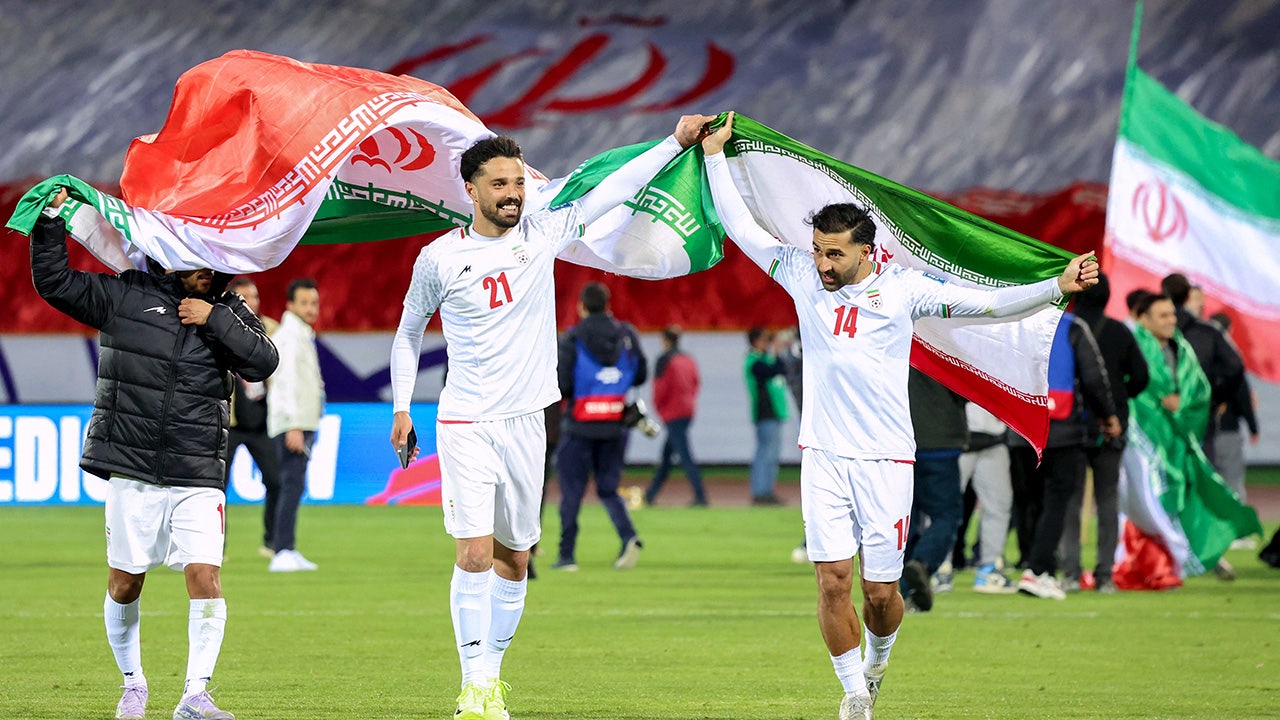
Reports have emerged suggesting that the United States proposed replacing Iran with Italy in the 2026 FIFA World Cup, sparking widespread discussion across international media. The idea, attributed to a senior envoy of former U.S. President Donald Trump, was reportedly made to FIFA as a way to address geopolitical tensions involving Iran. However, both FIFA and Italian officials have since dismissed the notion, emphasizing that World Cup qualification is determined solely by sporting performance.
The proposal surfaced in mid-April 2026, according to multiple international outlets, when Paolo Zampoli, identified as a special envoy for global partnerships in the Trump administration, reportedly suggested to FIFA President Gianni Infantino that Italy should accept Iran’s place in the tournament. Zampoli, who holds dual Swiss and Italian citizenship, framed the idea as a personal aspiration, citing his Italian heritage and Italy’s historical success in the World Cup, having won the title four times.
However, the Italian government swiftly rejected the idea. Andrea Abodi, Italy’s Minister for Sport and Youth, stated publicly that replacing Iran would be both inappropriate and impossible, reinforcing that World Cup spots are earned through on-field results, not political negotiation. He added that Italy had no interest in pursuing a spot via administrative means, especially after their recent failure to qualify.
Italy’s path to the 2026 World Cup ended in disappointment. On March 31, 2026, they lost the UEFA playoff final to Bosnia and Herzegovina in a penalty shootout, marking their third consecutive absence from the World Cup finals. This result made them the only former World Cup champions to miss three straight tournaments, a fact that drew sharp criticism domestically and led to the resignation of the Italian Football Federation president.
Meanwhile, Iran’s participation remains uncertain due to ongoing regional tensions. Iranian officials have acknowledged that the final decision rests with the government, citing concerns over athlete safety given the tournament’s location in the United States. Despite these concerns, Iran’s Olympic Committee secretary confirmed in late April 2026 that the national team was continuing preparations and had not received any official directive to withdraw.
FIFA has consistently maintained that any reallocation of World Cup slots would follow established procedures. According to the organization’s regulations, if a qualified team is unable to participate, their spot would be offered to another team from the same confederation based on sporting performance. In Asia, this would signify the United Arab Emirates, which had advanced to the inter-confederation playoff round during qualification, would be next in line—not Italy, which is part of UEFA.
This position was reinforced by Italian sports authorities, who noted that even if Iran were to withdraw, the vacancy would not be filled by a European side unless no eligible Asian team accepted the offer—a scenario considered highly unlikely given the competitive nature of the qualification process.
The suggestion also sparked debate online, particularly in China, where some fans questioned why China was not considered if such a replacement were possible. However, analysts pointed out that China did not advance beyond the second round of Asian qualifiers and therefore had no basis for a reallocation claim.
As of late April 2026, no official changes to the World Cup lineup have been announced. FIFA continues to work with all qualified national associations to ensure the tournament proceeds as planned, with the opening match scheduled for June 11, 2026, and the final set for July 19.
For the latest updates on team qualifications and tournament preparations, fans are encouraged to consult FIFA’s official communications and the respective national football associations.
What do you think about the intersection of sports and international diplomacy? Share your thoughts in the comments and spread the conversation by sharing this article.