
Italy’s strategic defense and aerospace sectors are undergoing a significant industrial reorganization, driven by a push to consolidate domestic supply chains and enhance national competitiveness. Industry leaders, including Leonardo, Fincantieri, and Avio Aero, have launched the “Connext Filiere” initiative under the guidance of Confindustria, the General Confederation of Italian Industry. This collaborative framework aims to unify small and medium-sized enterprises (SMEs) with major prime contractors to secure Italy’s technological sovereignty in an increasingly volatile global security landscape.
The push for a more integrated industrial base comes amid warnings regarding the necessity of increased national defense spending. Lorenzo Mariani, co-general manager of Leonardo, has publicly stated that without a significant increase in Italy’s defense budget, the nation risks becoming strategically dependent on European partners, specifically France and Germany. This call for increased investment is underscored by projections from Confindustria, which suggest that robust investment in Italian aerospace, defense, and security supply chains could contribute as much as 51 billion euros to the national GDP by 2035.
Strategic Alignment and the Connext Filiere Initiative
The “Connext Filiere” project functions as a bridge between the giants of Italian industry and the specialized, high-tech manufacturers that form the backbone of the country’s defense ecosystem. According to Confindustria, the initiative is designed to address fragmentation within the industrial sector, allowing smaller firms to participate more effectively in large-scale international defense programs. By formalizing these relationships, the consortium aims to streamline research, development, and production cycles, ensuring that Italian technology remains a priority in European defense procurement.

For regional industrial districts, such as those in Cremona, the focus on aerospace represents a pivot toward high-value manufacturing. Local industry representatives have noted that the integration of smaller technological firms into the national aerospace supply chain is essential for sustaining economic growth. This alignment is not merely an industrial strategy; it is a response to the shifting requirements of modern security, where artificial intelligence, drone technology, and advanced materials play a central role in defense capabilities.
The Economic Imperative for Defense Autonomy
The economic arguments for bolstering the defense sector are rooted in the multiplier effect of high-tech manufacturing. The 51 billion euro GDP target by 2035 is contingent upon sustained, long-term investment in domestic research and manufacturing capabilities. Unlike standard manufacturing, the aerospace and defense sectors require significant upfront capital and long-term commitments from both the public and private sectors to achieve competitive scale.

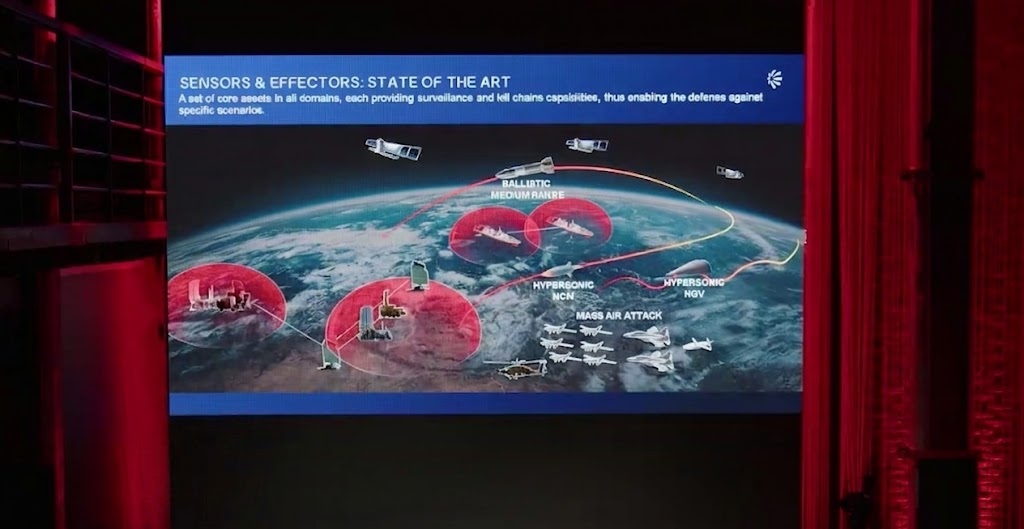
Leonardo, as Italy’s primary defense contractor, serves as the anchor for these efforts. The company’s focus on the “Michelangelo Dome” and other advanced technological projects highlights a broader strategy to maintain a leadership position in space surveillance and ground-based defense systems. These initiatives are critical for ensuring that Italy does not merely act as a subcontractor for larger, foreign-led defense programs but retains the intellectual property and manufacturing expertise necessary to lead in the global market.
Addressing the European Competitive Landscape
The assertion by Leonardo’s management that Italy must increase its defense spending to avoid “subordination” to France and Germany highlights a broader tension within the European Union’s defense industrial policy. As reported by la Repubblica, the concern is that if Italian firms do not achieve the necessary scale through national consolidation, they may be marginalized in major European defense projects. This perspective is shared by many in the Italian industrial establishment who argue that national security is inherently tied to industrial autonomy.
The competitive landscape is defined by the need for interoperability with NATO standards while simultaneously fostering unique Italian technological solutions. By organizing supply chains through entities like Connext Filiere, Italy is attempting to replicate the success of other nations that have successfully integrated their industrial policy with their geopolitical objectives. The success of this strategy will likely depend on the government’s ability to sustain defense budget increases in line with its NATO commitments and internal industrial priorities.
Next Steps for the Aerospace Sector
The next major checkpoint for these initiatives involves the ongoing evaluation of the Italian defense budget for the upcoming fiscal cycle, which will determine the level of state-backed support for industrial research and development. Furthermore, industry stakeholders are expected to provide updates on the progress of the Connext Filiere framework during the next Confindustria general assembly, where specific performance metrics for the participating SMEs will likely be presented. These developments remain subject to parliamentary approval regarding defense spending levels and the broader European defense fund allocations.

As the aerospace and defense sectors continue to evolve, stakeholders are encouraged to monitor official communications from Leonardo and Confindustria for updates on supply chain integration and new project launches. Share your thoughts on the role of industrial policy in national security in the comments below.