
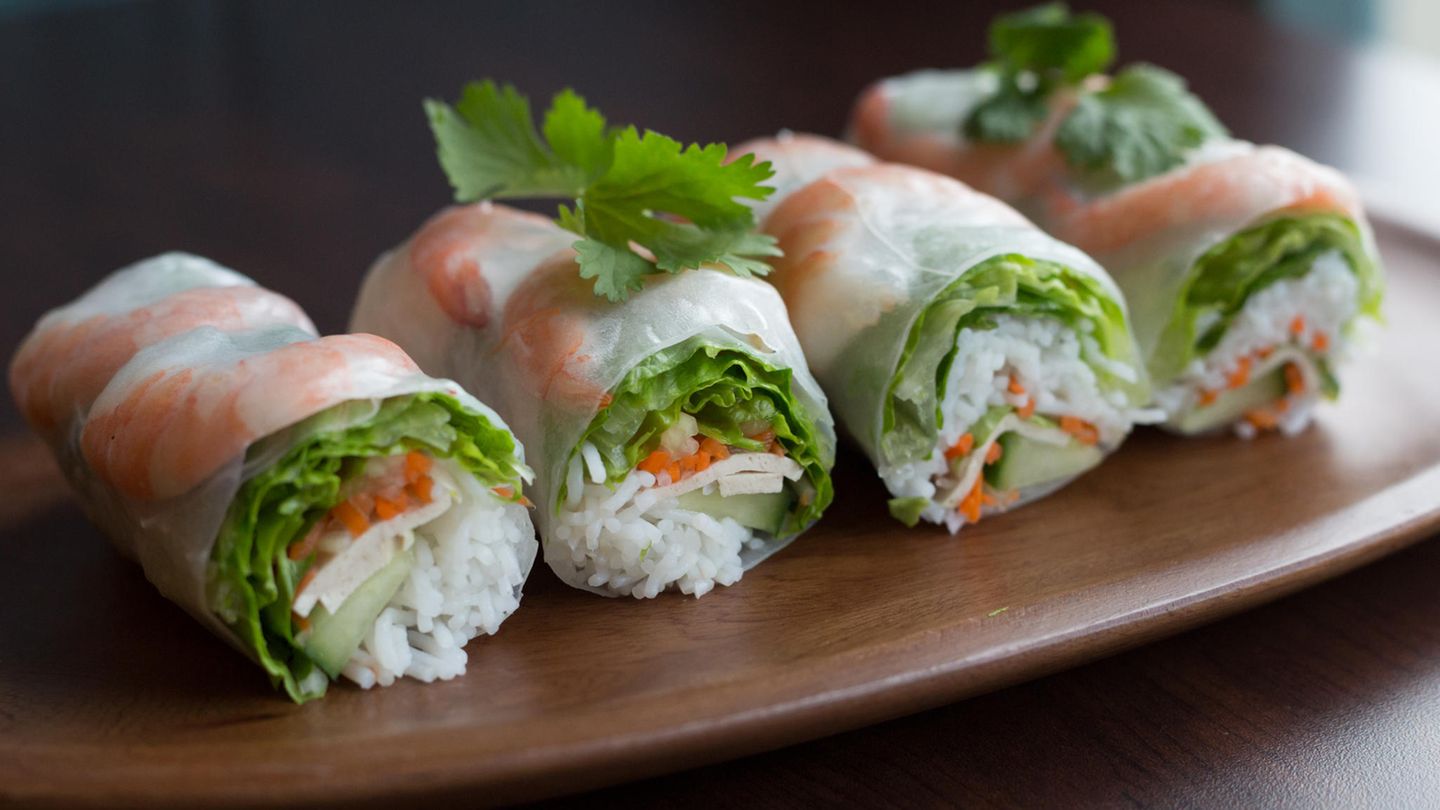
Poke, a traditional Hawaiian dish consisting of marinated raw fish, has gained significant international popularity as a refreshing, nutrient-dense meal choice during summer months. The word “poke” translates from Hawaiian to “to slice” or “cut crosswise into pieces,” describing the preparation method of the primary protein, which is typically seasoned with soy sauce, sesame oil, and various aromatics. As global temperatures rise, this chilled, customizable bowl has become a staple for those seeking a light yet satiating dining option that requires minimal heat during preparation.
While the dish is often associated with modern fast-casual trends, its roots are deeply embedded in Hawaiian culinary history. According to historical accounts documented by the Hawaii Tourism Authority, indigenous Hawaiians historically prepared poke using reef fish caught in local waters, seasoned with sea salt, seaweed, and crushed kukui nuts. Today, the dish has evolved into a global phenomenon, often incorporating ingredients such as avocado, edamame, cucumber, and various spicy sauces, making it an adaptable choice for diverse dietary preferences.
Nutritional Benefits of Chilled Seafood
The appeal of poke lies in its combination of high-quality protein and fresh vegetables, which provide essential nutrients without the heavy, caloric load often found in cooked summer dishes. Nutritionists generally categorize poke as a source of lean protein and omega-3 fatty acids, provided the fish is sourced sustainably and handled according to food safety standards. The U.S. Food and Drug Administration (FDA) emphasizes that when consuming raw seafood, consumers must ensure the fish has been properly frozen or handled to kill parasites, reinforcing that safety is paramount when preparing or purchasing raw fish salads.

Beyond the protein, the inclusion of fresh vegetables like radishes, scallions, and seaweed contributes a range of vitamins and minerals. Because the dish is served cold, it remains a preferred option for maintaining hydration and avoiding the thermal discomfort associated with hot meals during heat waves. The versatility of the base—whether served over chilled sushi rice, quinoa, or fresh greens—allows for a balanced intake of complex carbohydrates and fiber, which helps sustain energy levels throughout the day.
Preparing Authentic Poke at Home
Creating a restaurant-quality poke bowl at home requires attention to the quality of the ingredients. The foundation of any successful bowl is the freshness of the fish, which should be labeled as “sushi-grade” or “sashimi-grade” to indicate it is safe for raw consumption, as verified by retailers and reputable fishmongers. To assemble a basic, traditional-style poke, the fish should be cubed into uniform, bite-sized pieces to ensure even marination.

A simple marinade can be whisked together using pantry staples:
- Soy Sauce or Tamari: Provides the essential savory, umami base.
- Sesame Oil: Adds a nutty aroma and richness to the lean fish.
- Rice Vinegar: Introduces a necessary acidity to brighten the flavors.
- Aromatics: Thinly sliced green onions, grated ginger, and a pinch of chili flakes or furikake seasoning.
Once the fish has marinated for 15 to 30 minutes in the refrigerator, it can be served over a bowl of chilled, vinegared rice. Adding garnishes like sesame seeds, shredded nori, or pickled ginger provides texture and depth, transforming a simple salad into a complete meal. According to the National Public Radio (NPR) food archives, the rise of the poke bowl in mainland culinary markets highlights a broader consumer shift toward “bowl-style” eating, which prioritizes convenience and aesthetic presentation.
Food Safety Guidelines for Raw Consumption
While poke is a healthy option, consumers must remain vigilant regarding food safety. Raw fish is highly perishable and susceptible to bacterial growth if not kept at appropriate temperatures. The Centers for Disease Control and Prevention (CDC) advises that seafood should be kept at or below 40°F (4°C) to prevent the growth of harmful pathogens. When shopping for ingredients, ensure that the fish is refrigerated or displayed on ice, and consume the product as soon as possible after purchase.

Those who are immunocompromised, pregnant, or elderly should exercise caution and consult with a medical professional regarding the consumption of raw seafood, as the risk of foodborne illness—such as vibriosis—is higher in these populations. If raw fish is unavailable or if there are concerns regarding freshness, smoked salmon, cooked shrimp, or marinated tofu are effective and safe alternatives that maintain the structural integrity and flavor profile of the dish.
What Happens Next
As the demand for convenient, healthy, and cooling summer meals continues to rise, culinary experts expect to see a sustained interest in regional variations of raw fish salads. Future developments in this sector will likely focus on the traceability of seafood, with more retailers providing information on the origin and fishing methods used for their inventory. For those interested in tracking food safety advisories or finding locally sourced, sustainable options, the Monterey Bay Aquarium Seafood Watch provides updated guides on sustainable choices that help protect ocean health while ensuring quality on the plate.
Readers are encouraged to share their favorite poke combinations or tips for sourcing fresh fish in the comments section below. For further updates on seasonal culinary trends and food safety guidelines, stay tuned to the World Today Journal.