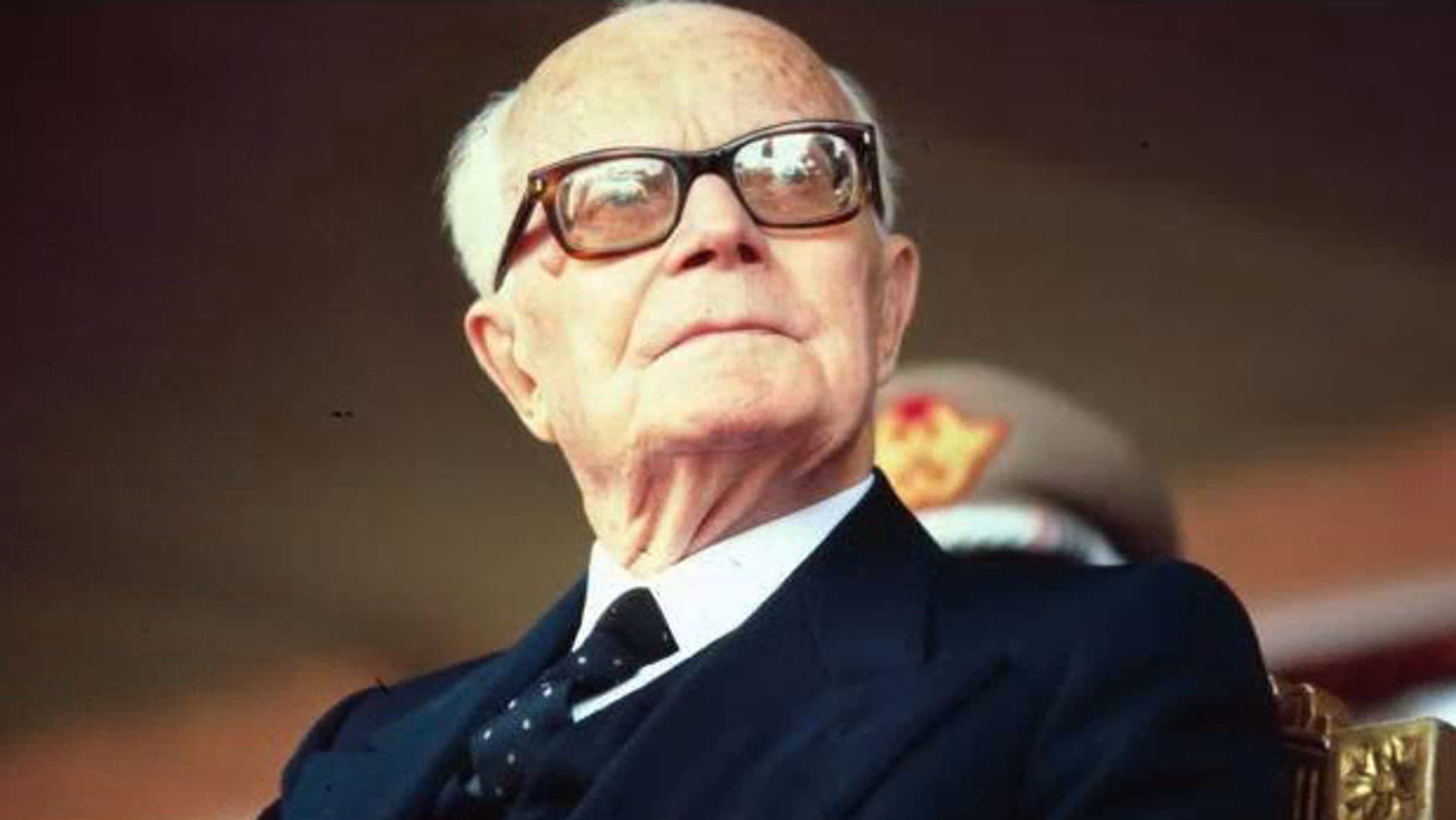
Rome – The recent intervention by Italian President Sergio Mattarella before the Superior Council of the Judiciary (CSM) has ignited a debate about the separation of powers and the role of the presidency in safeguarding the independence of the judiciary. This action, however, is not unprecedented. Throughout the history of the Italian Republic, presidents have occasionally felt compelled to address the CSM, particularly during times of political tension or perceived threats to the integrity of the justice system. A particularly striking example occurred in 1978, when Sandro Pertini, then President, delivered a forceful condemnation of the Red Brigades (Br), a far-left terrorist organization that plagued Italy during the “Years of Lead.” Pertini’s uncompromising stance – “no pity for the Red Brigades” – remains a powerful symbol of the state’s resolve against political violence and continues to resonate in contemporary discussions about judicial independence and the fight against organized crime.
Mattarella’s recent address, although less overtly dramatic than Pertini’s, carries significant weight. He urged respect between the different branches of government, a message widely interpreted as a response to recent clashes between the judiciary and the government of Giorgia Meloni. The context is a broader debate over judicial reform, including proposals that critics fear could undermine the independence of the courts. The CSM, responsible for the self-governance of the judiciary, has found itself at the center of this controversy, with concerns raised about potential political interference in its operations. Mattarella’s intervention, the first of its kind in 11 years, underscores the gravity of the situation and the president’s commitment to upholding the constitutional principles of a democratic state.
Sandro Pertini and the “Years of Lead”
To understand the significance of Mattarella’s actions, it’s crucial to recall the turbulent period in Italian history when Sandro Pertini held office. The late 1970s and early 1980s were marked by intense political polarization, economic instability, and widespread violence perpetrated by both far-left and far-right extremist groups. The Red Brigades, founded in 1970, were responsible for numerous kidnappings, assassinations, and bombings, aiming to destabilize the Italian state and create a revolutionary situation. Their most infamous act was the kidnapping and murder of former Prime Minister Aldo Moro in 1978, a traumatic event that deeply shook Italian society.
Pertini, a veteran socialist and anti-fascist activist who had spent years in prison under Mussolini’s regime, brought a unique blend of moral authority and political experience to the presidency. He was elected in 1978 following a period of political deadlock and represented a broad consensus across the political spectrum. His presidency was defined by his unwavering commitment to democratic values and his determination to defend the state against terrorism. According to historical accounts, Pertini’s response to the Red Brigades was uncompromising. He publicly condemned their violence, refused to negotiate with them, and supported the efforts of law enforcement and the judiciary to bring them to justice. The phrase “no pity for the Red Brigades,” reportedly uttered during a private conversation but widely reported in the media, encapsulated his firm stance. La Repubblica details this historical context, highlighting Pertini’s strong condemnation of the terrorist group.
Presidential Interventions at the CSM: A Historical Overview
Pertini’s intervention regarding the Red Brigades wasn’t the only instance of a President addressing the CSM. While not a frequent occurrence, several of his successors have also deemed it necessary to engage with the council, typically during periods of institutional crisis or debate over judicial reform. Following Pertini, Presidents Francesco Cossiga and Oscar Luigi Scalfaro also addressed the CSM, each time raising concerns about the independence of the judiciary and the need to safeguard its integrity. These interventions often coincided with periods of intense political scrutiny of the judiciary, such as investigations into corruption or allegations of political bias.
The CSM, established in 1958, plays a crucial role in the Italian judicial system. It’s responsible for appointing, promoting, and disciplining judges and magistrates. Its composition includes judges, prosecutors, and lay members, ensuring a degree of self-governance within the judiciary. However, the CSM has often been a target of political criticism, with accusations of being overly influenced by political considerations or failing to adequately address issues of corruption and inefficiency. President Mattarella’s recent address can be seen as part of a long tradition of presidential oversight, aimed at ensuring that the CSM operates independently and effectively.
Mattarella’s Message and the Current Context
President Mattarella’s recent address to the CSM, as reported by Corriere Roma, focused on the importance of “mutual respect” between the judiciary and other branches of government. This message was delivered against a backdrop of increasing tension between the government and the judiciary, particularly over proposed reforms to the penal code and the rules governing judicial investigations. Justice Minister Carlo Nordio, while acknowledging the President’s concerns, stated he would adhere to Mattarella’s guidance, as reported by ANSA. However, other political figures, such as Lupi, have suggested that Nordio’s initial responses were “a reaction” and emphasized the need for responsibility, as noted by La Repubblica.
The core of the debate revolves around concerns that the government’s proposed reforms could weaken the judiciary’s ability to investigate and prosecute crimes, particularly those involving corruption and organized crime. Critics argue that these reforms could shield politicians and powerful individuals from accountability, undermining the rule of law. Mattarella’s intervention is seen as a signal that he will not hesitate to defend the independence of the judiciary and uphold the constitutional principles of a democratic state. His message serves as a reminder that the separation of powers is a cornerstone of Italian democracy and that any attempt to undermine it will be met with resistance.
Looking Ahead
The situation surrounding the CSM and the proposed judicial reforms remains fluid. The government is expected to continue to push for its reforms, while the judiciary and opposition parties are likely to resist any changes that could compromise its independence. President Mattarella’s role will be crucial in navigating this complex political landscape and ensuring that the constitutional principles of the Italian Republic are upheld. The next key development will be the government’s response to Mattarella’s address and its willingness to engage in a constructive dialogue with the judiciary and opposition parties. The coming weeks and months will be critical in determining the future of the Italian judicial system and the health of Italian democracy. Readers interested in following these developments are encouraged to consult official sources, such as the website of the CSM and the Italian Parliament, for the latest updates.
What are your thoughts on the role of the President in safeguarding judicial independence? Share your comments below and let us understand what you think.
Worth a look