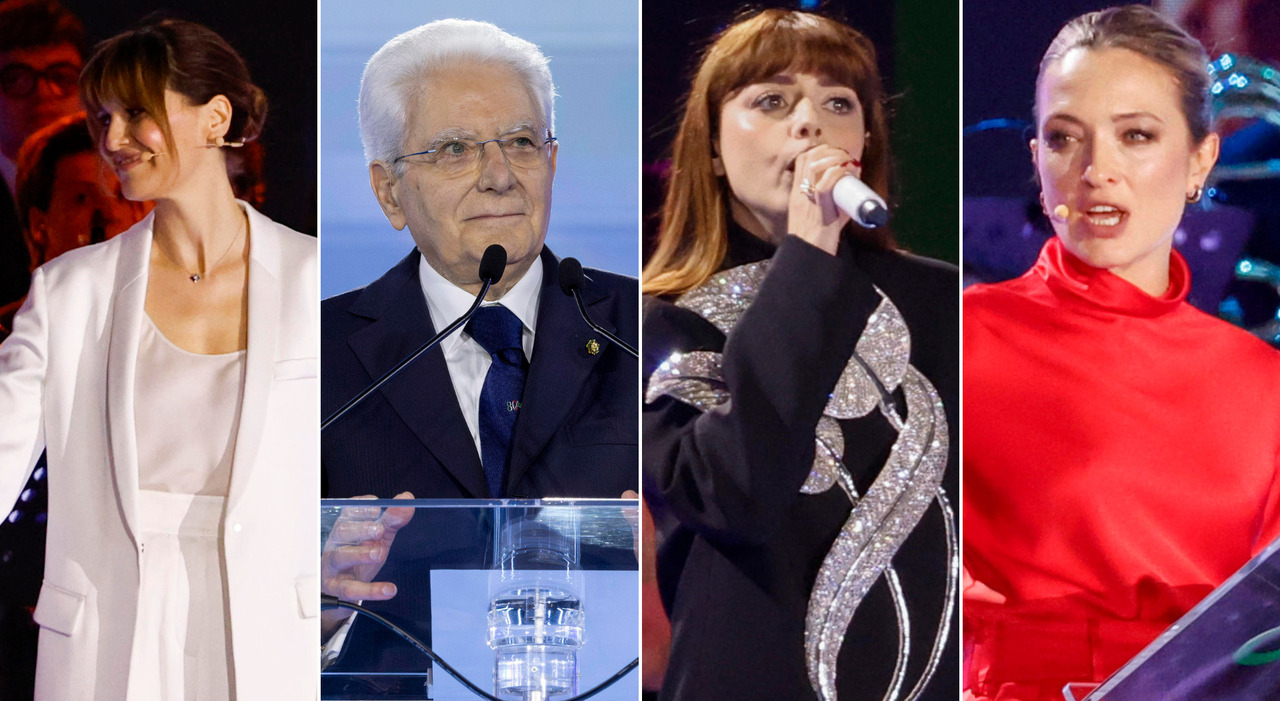
In the quiet, hallowed halls of the Quirinal Palace, the annual celebration of Italy’s Republic Day—the Festa della Repubblica—transcends mere political protocol. It is a moment where the nation’s institutional heartbeat meets the vibrancy of its contemporary cultural landscape. As the June 2nd commemorations unfolded, the focus shifted briefly from the solemnity of the state to the visual narrative presented by those in attendance. Observing these moments from my desk here in Lisbon, I find that such events offer a fascinating intersection of tradition and modern identity, where the sartorial choices of public figures act as a subtle, yet powerful, form of communication.
The 2024 celebrations marked the 78th anniversary of the institutional referendum that saw Italy transition from a monarchy to a republic. According to official records from the Presidency of the Italian Republic, the day is defined by the traditional military parade along the Via dei Fori Imperiali and the symbolic laying of a wreath at the Altare della Patria. While the geopolitical significance of the day remains paramount, the public eye inevitably gravitates toward the guests invited to witness these proceedings, turning the event into an unintentional showcase of Italian style and etiquette.
The Standard of Institutional Elegance
At the center of the observance is President Sergio Mattarella. His presence is, as it has been throughout his tenure, the anchor of the Republic’s image. In the context of formal state events, the President’s aesthetic choices are rarely about fashion in the trend-driven sense; rather, they are about consistency, respect for the office, and a visual commitment to the stability of the Italian state. His adherence to traditional tailoring—typically dark, impeccably fitted suits—serves as a silent affirmation of his role as the guarantor of the Constitution.
Observers often note that Mattarella’s attire is a masterclass in “institutional minimalism.” By avoiding overt displays of luxury or experimental silhouettes, he ensures that the focus remains on the gravity of the commemoration. It is an approach that resonates with a global audience, reinforcing the idea that in times of complex international relations, the dignity of the head of state remains an unwavering constant. This is not merely about clothing; it is about the semiotics of leadership in a democratic society.
Cultural Icons and the Modern Republic
The inclusion of figures from the arts, music, and entertainment sectors at such high-level state functions is a deliberate effort to bridge the gap between institutional power and the public consciousness. This year, the presence of artists like Annalisa—a prominent figure in the contemporary Italian music scene—highlighted this evolution. Her appearance was widely interpreted as an attempt to project a “pop institutional” image, balancing the high-profile nature of the event with a modern, approachable sensibility.
When public figures step into the spotlight of the Quirinal, they are navigating a delicate social contract. The challenge is to maintain personal brand identity while respecting the decorum required by the venue. For artists, this often involves selecting garments that are sophisticated yet distinct, avoiding the trap of being overly casual while steering clear of performative artifice. It is a balancing act that requires a keen understanding of the event’s historical weight.
The Evolution of Red Carpet Diplomacy
Beyond the primary figures, the broader attendee list at the Republic Day events provides a snapshot of the cultural elite in Italy. We see a shift toward what many style commentators call “red carpet diplomacy.” This is the art of using one’s presence at a state function to convey a message of inclusivity and modernity. When individuals like actor Francesco Crescentini attend such events, their choices—which often lean toward the bold or the unconventional—spark broader conversations about the changing face of Italian society.
The willingness to “dare” with color, texture, or unconventional cuts, provided it remains within the boundaries of formal etiquette, is increasingly accepted. These choices suggest a Republic that is not static, but one that is evolving, embracing a more diverse range of expressions while still honoring the foundational ceremonies that define its history. It reflects a nation that is comfortable with its past but clearly oriented toward its future.
Key Takeaways: The Aesthetics of Statehood
- Institutional Consistency: The primary function of state attire at the Quirinal is to convey stability and respect for the office of the President.
- Bridging the Gap: The invitation of cultural figures serves to harmonize traditional state institutions with the dynamic, modern reality of Italian life.
- Sartorial Communication: Clothing acts as a non-verbal language; in the context of June 2nd, it is a tool for expressing both personal identity and national unity.
- Evolution of Etiquette: While rigid protocols remain, there is a visible trend toward allowing more individualistic expression among guests, provided it respects the solemnity of the venue.
As we look toward the 2025 celebrations, the focus will undoubtedly remain on the official proceedings and the political messages delivered by the President. However, the visual language of the event will continue to be a subject of interest. It is a reminder that even in the most formal settings, the human element—our choices, our style, and our presence—plays a vital role in how we perceive and participate in the life of a republic.

The next major institutional checkpoint for the Italian state will be the upcoming legislative sessions and the ongoing debates regarding budget allocations for cultural and public diplomacy, as detailed in the most recent government updates. These formal processes remain the true machinery of the state, even if the public occasionally pauses to appreciate the style of those who walk its halls. What do you think about the intersection of pop culture and state ceremonies? Share your thoughts in the comments below, and join the conversation on our social media platforms.