
Italy is facing a significant second wave of extreme heat, with meteorologists forecasting a surge in temperatures and a rise in “tropical nights” across much of the peninsula. According to recent weather patterns, an African anticyclone is driving high temperatures into the Mediterranean, leading to daytime peaks and nighttime lows that fail to provide relief from the heat.
The current weather event is characterized by intense thermal spikes and a phenomenon known as tropical nights, where minimum temperatures remain above 20 degrees Celsius. This pattern is expected to affect various regions, prompting health and safety considerations for residents and tourists alike.
What is causing the heatwave in Italy?
The primary driver of the current temperature spike is the presence of a strong African anticyclone. This high-pressure system is transporting exceptionally warm air masses from North Africa across the Mediterranean Sea and into the Italian territory. As this system stabilizes over the region, it creates a “heat dome” effect, trapping warm air near the surface and preventing cooler air masses from circulating.
Meteorologists from the Aeronautica Militare (the Italian Air Force’s meteorological service) have noted that this high-pressure cell is particularly intense, leading to sustained temperatures that exceed seasonal averages. The positioning of this anticyclone over the central Mediterranean means that both the mainland and the islands are susceptible to the incoming thermal wave. This meteorological setup is a key factor in the “fiammata”—or sudden burst—of heat currently being reported by weather observers across the country.
This weather pattern is not merely a temporary spike but a sustained period of high pressure that influences both daytime maximums and nighttime minimums. The stability of the anticyclone suggests that these conditions may persist for several days before a change in atmospheric pressure allows for a cooling trend.
What are tropical nights and why do they matter?
A “tropical night” is a specific meteorological term used to describe a night where the minimum temperature does not drop below 20 degrees Celsius (68 degrees Fahrenheit). Under normal summer conditions, temperatures typically dip during the late hours, allowing the human body and the environment to cool down. However, during a tropical night, the heat remains trapped in the urban and rural environments.
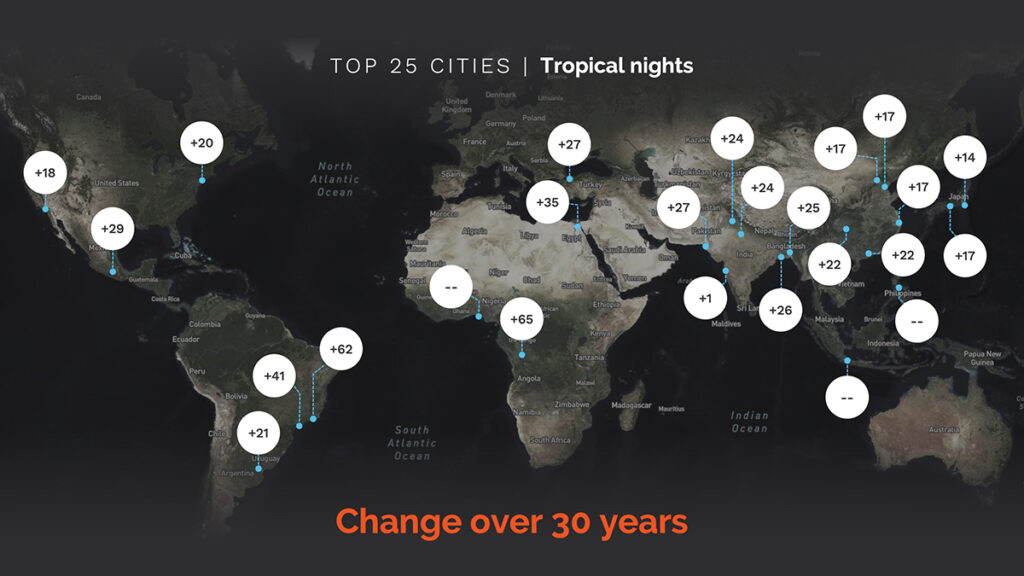
The lack of nocturnal cooling presents several risks, particularly regarding public health. Medical professionals have noted that the inability of the body to shed heat during sleep can lead to increased physiological stress. According to health advisories, prolonged exposure to high nighttime temperatures can exacerbate existing cardiovascular and respiratory conditions. Sleep deprivation, caused by the discomfort of high ambient temperatures, further compounds these health risks by weakening the immune system and reducing cognitive function.
The phenomenon is particularly acute in densely populated urban areas. The “urban heat island” effect—where concrete, asphalt, and buildings absorb heat during the day and radiate it back at night—intensifies the impact of tropical nights in cities like Rome, Milan, and Naples. In these environments, the lack of ventilation and the high thermal mass of the infrastructure prevent the temperature from falling, even when the sun is down.
Which Italian regions are most at risk?
The impact of the heatwave is expected to vary by geography, with Southern Italy and the islands facing the most extreme conditions. Regions such as Sicily and Sardinia are projected to see some of the highest temperature readings as the African anticyclone makes its most direct impact on the Mediterranean islands.
- Southern Italy and Sicily: These areas are expected to experience the most consistent daytime highs, potentially exceeding 40 degrees Celsius in inland locations.
- Sardinia: The island is likely to see significant tropical nights due to its position within the path of the warm air mass.
- Central Italy: Areas including Rome and the surrounding Lazio region are expected to face high humidity levels, which can increase the “feels like” temperature (heat index).
- Northern Italy: While potentially slightly cooler than the south, the Po Valley remains at risk for stagnant air and high humidity, which can trap heat in urban centers like Milan.
Weather forecasts indicate that while the intensity may fluctuate, the heat will remain a dominant factor across the peninsula. Residents in coastal areas may find slight relief from sea breezes, but these are often insufficient to counteract the overall rise in ambient temperature caused by the anticyclone.
How can residents stay safe during extreme heat?
As temperatures rise, the Italian Ministry of Health and the Civil Protection (Protezione Civile) have issued guidance to mitigate the risks associated with extreme heat. The primary objective of these advisories is to prevent heatstroke, dehydration, and heat exhaustion.

Health officials recommend several practical steps to manage the heat:
- Hydration: Drink plenty of water throughout the day, even if you do not feel thirsty. Avoid excessive consumption of caffeine or alcohol, as these can contribute to dehydration.
- Timing of Activities: Limit outdoor physical activity to the early morning or late evening hours when temperatures are lower. Avoid being in direct sunlight between 11:00 AM and 6:00 PM.
- Environmental Control: Keep homes and workspaces cool by using shutters, blinds, or air conditioning. In the absence of air conditioning, utilize fans and maintain airflow through cross-ventilation during cooler periods.
- Monitoring Vulnerable Groups: Ensure that children, the elderly, and individuals with chronic health conditions are monitored closely for signs of heat-related illness, such as dizziness, nausea, or rapid pulse.
The Civil Protection department also advises citizens to stay informed through official channels, such as local municipality websites and national weather services, to receive real-time updates on heat warnings and potential emergency protocols.
Comparison: Current Heatwave vs. Typical Summer Patterns
The current weather event differs from standard Mediterranean summer patterns primarily in its duration and the intensity of the nighttime temperatures. While summer heat is expected in Italy, the combination of the African anticyclone and the frequency of tropical nights marks this as an extreme event.
| Feature | Typical Summer Pattern | Current Heatwave Event |
|---|---|---|
| Primary Driver | Seasonal solar radiation | African Anticyclone (High Pressure) |
| Nighttime Relief | Temperatures drop below 18°C | “Tropical Nights” (> 20°C) |
| Heat Source | Local atmospheric warming | Transcontinental air mass movement |
| Risk Profile | Moderate heat discomfort | High risk of heat-related health issues |
This comparison highlights that the current situation is not a standard seasonal warming but a specific meteorological phenomenon driven by external air masses, leading to more persistent and intense heat cycles.
Frequently Asked Questions
What should I do if I suspect heatstroke?
If someone shows signs of heatstroke, such as high body temperature, confusion, or loss of consciousness, move them to a cool, shaded area and call emergency services immediately. Apply cool water to the skin and monitor their breathing until professional medical help arrives.
Will the heatwave end soon?
The duration of the heatwave depends on the movement of the African anticyclone. Weather services provide regular updates, and a change in the pressure system is required to bring cooler air into the region. Check the Aeronautica Militare website for the latest forecasts.
Are tropical nights dangerous for pets?
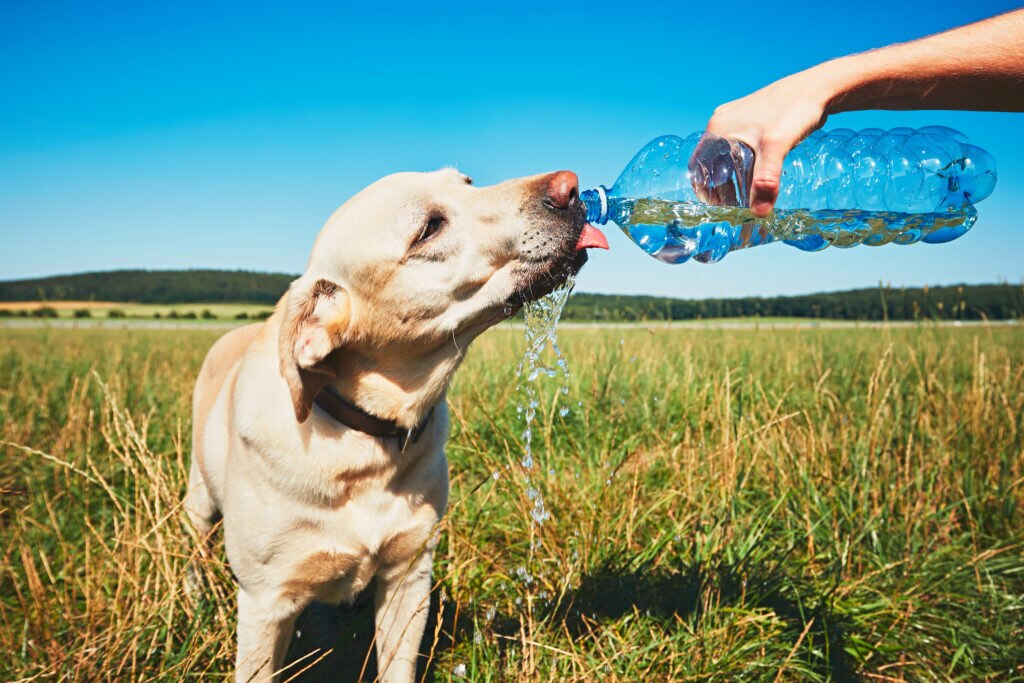
Yes. Pets can suffer from heat exhaustion similarly to humans. Ensure they have constant access to fresh water, shade, and cool environments. Avoid walking pets on hot pavement during the day.
The next scheduled weather update from the Aeronautica Militare is expected within the next 24 hours. Residents are encouraged to monitor local news and official government advisories for updates on temperature thresholds and potential health alerts.
Do you have questions about how this heatwave is affecting your local area? Share your observations in the comments below and share this article to help keep your community informed.
Related reading