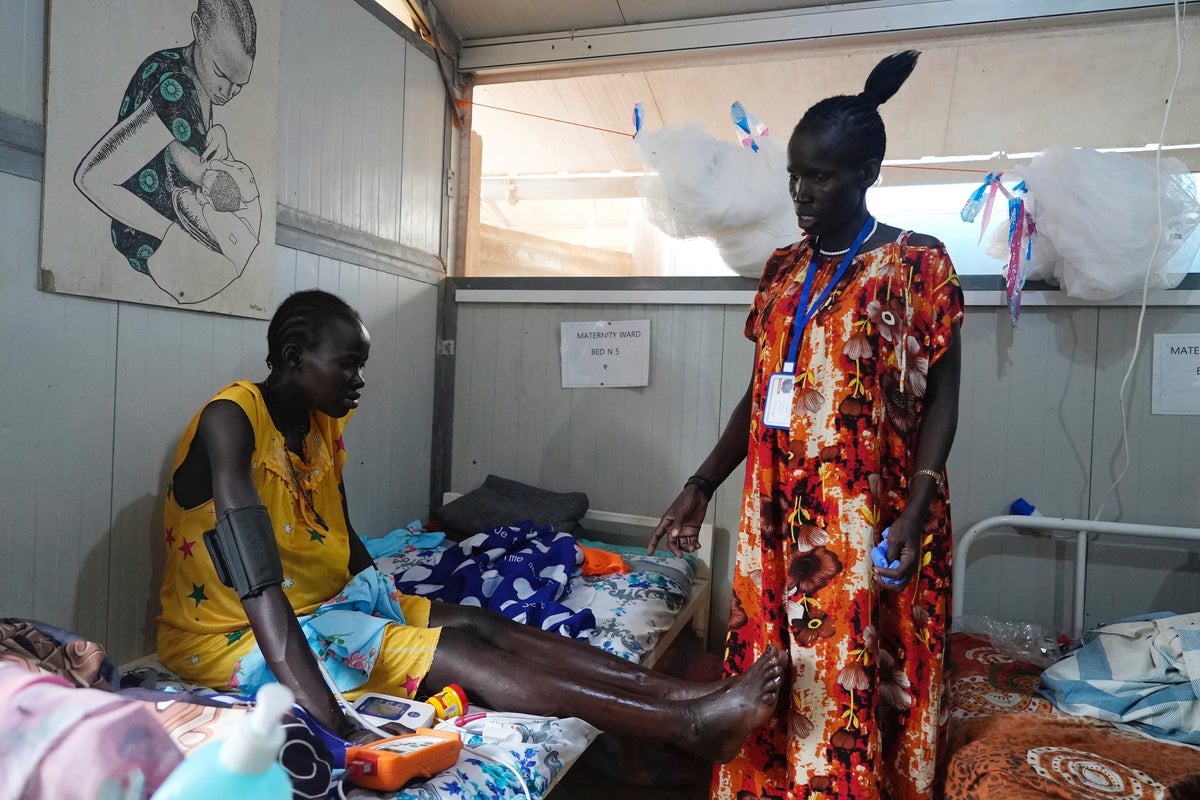
New Initiative Aims to Combat Maternal Mortality in Crisis Zones, Despite Global Aid Cuts
A new global project, “Safer Births in Crisis,” is launching to dramatically reduce maternal deaths in countries ravaged by conflict and instability.The initiative focuses on providing essential medical supplies and training to healthcare workers in areas where access to safe childbirth is severely limited. Despite the promise of this vital work, it’s unfolding against a backdrop of critically important cuts to global health aid, notably from the United States.
The Core of the Problem: Postpartum Hemorrhage
postpartum hemorrhage – excessive bleeding after childbirth – remains a leading cause of maternal mortality worldwide. It’s particularly devastating in resource-poor settings where timely and effective interventions are often unavailable. This project directly addresses this critical need.
The core strategy revolves around a multi-pronged approach:
* Blood Collection Drapes: The World Health Association recommends their use to maintain a sterile surroundings.
* Drug Bundles: Rapid administration of a combination of medications is crucial.
* Misoprostol Access: Providing this medication for at-home use can be life-saving when hospital access is unfeasible.
A 2023 study demonstrated the power of this combined approach, showing a 60% reduction in severe bleeding, surgeries, and maternal deaths.
Addressing Practical Challenges & Potential Risks
The project isn’t simply about delivering supplies. It’s about understanding the realities on the ground. Testing in conflict zones will be vital to identify and mitigate potential issues. For example, supply shortages could tempt clinics to reuse blood collection drapes, increasing the risk of infection.
The coalition leading this effort – including the International Medical Corps, the United Nations Population Fund (UNFPA), and Jhpiego – is also carefully navigating the complexities surrounding misoprostol. While highly effective in preventing deadly bleeding, it’s also known as an abortion pill, possibly creating controversy in countries with restrictive reproductive rights policies.
A Beacon of hope: Jacinda Ardern’s Support
Former New Zealand Prime Minister Jacinda Ardern provided crucial seed funding through her Matariki Fund, demonstrating a strong commitment to maternal health. Her involvement has been described as a “breath of fresh air” by project leaders.
(Image: Former New Zealand prime minister Jacinda Ardern provided seed funding for the project through the Matariki Fund – AFP via Getty Images)
The Shadow of Aid Cuts
Despite the positive momentum, the project’s scope has been significantly impacted by broader trends in global aid. The $4 million investment,while substantial,pales in comparison to the funding levels available just a year and a half ago.
“To talk to you about how game-changing this $4m investment is when it would not remotely have been game-changing a year and a half ago… It’s been incredibly hard to realign all your expectations,” explains a project leader. Originally planned for seven countries, the initial rollout is now limited to facilities in Burkina Faso.
The cuts, largely stemming from the US, highlight a troubling reality: even the most innovative and well-intentioned initiatives struggle to fully compensate for systemic reductions in global health funding.
Looking Ahead
The ”Safer Births in Crisis” project is already assessing needs and preparing to reach women in the new year.it represents a vital step towards improving maternal health in some of the world’s most challenging environments. Though, its long-term success hinges on a renewed commitment to sustained and adequate funding for global health initiatives.
This article is part of The Independent’s Rethinking Global Aid project.