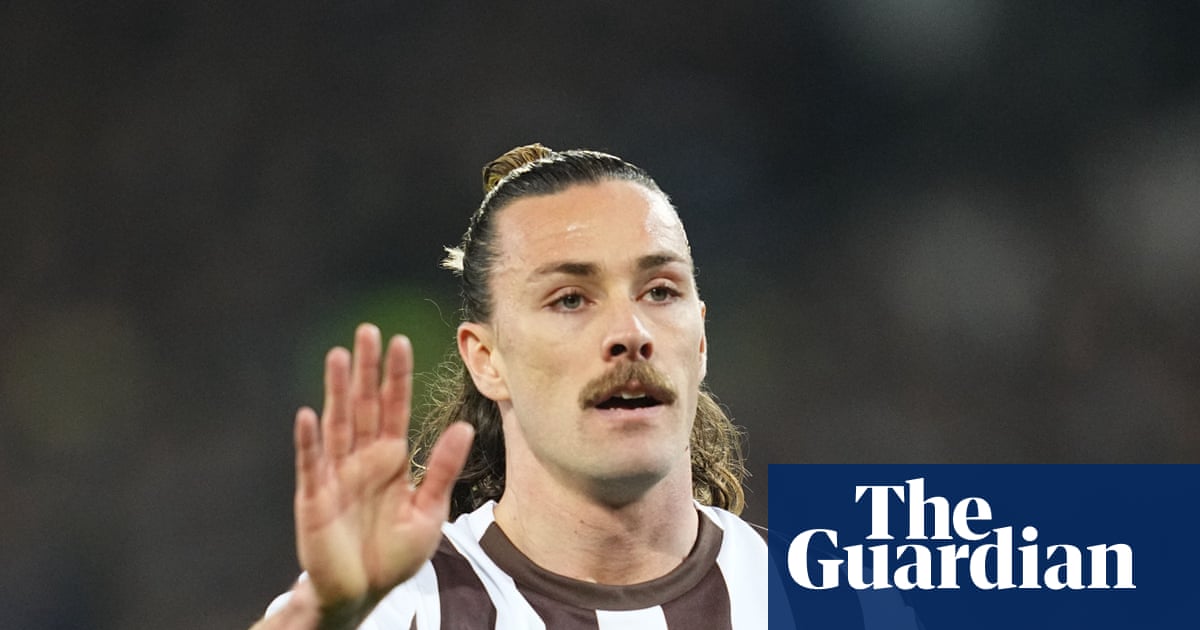
Australia’s Jackson Irvine Criticizes FIFA’s Trump Peace Prize
Lisbon, Portugal – Australian footballer Jackson Irvine has voiced strong criticism of FIFA’s decision to award former U.S. President Donald Trump its inaugural peace prize. The St Pauli captain argues the award undermines FIFA’s stated commitment to human rights and the positive role of football on a global scale. Irvine’s comments come as the 2026 World Cup, co-hosted by the United States, Canada and Mexico, approaches, adding another layer of complexity to a tournament already facing geopolitical scrutiny.
Irvine, a veteran midfielder expected to feature for Australia in the upcoming World Cup, didn’t mince words when discussing the award. He stated that such decisions “make a mockery of what they’re trying to do with the human rights charter and trying to employ football as a global driving force for good and positive change in the world,” according to reports from Reuters. The award, presented to Trump in December 2026 at the World Cup draw, was ostensibly for “promoting peace and unity around the world.”
The controversy surrounding the prize has intensified in recent months, particularly given Trump’s foreign policy actions. The United States launched a military strike on Venezuela shortly after the draw, and in February 2026, began joint airstrikes with Israel on Iran, a participant in the upcoming World Cup. These actions have drawn criticism from human rights groups and raised questions about the appropriateness of honoring Trump with a peace prize.
FIFA President Defended the Award
FIFA President Gianni Infantino has defended the decision to bestow the award upon Trump, stating in February that, “objectively, he deserves it.” The Guardian reports that Infantino’s justification referenced Trump’s role in securing a ceasefire between Israel and Hamas, though the timing of this statement precedes the escalation of conflict with Iran. This defense has done little to quell the growing discontent among players and advocacy groups.
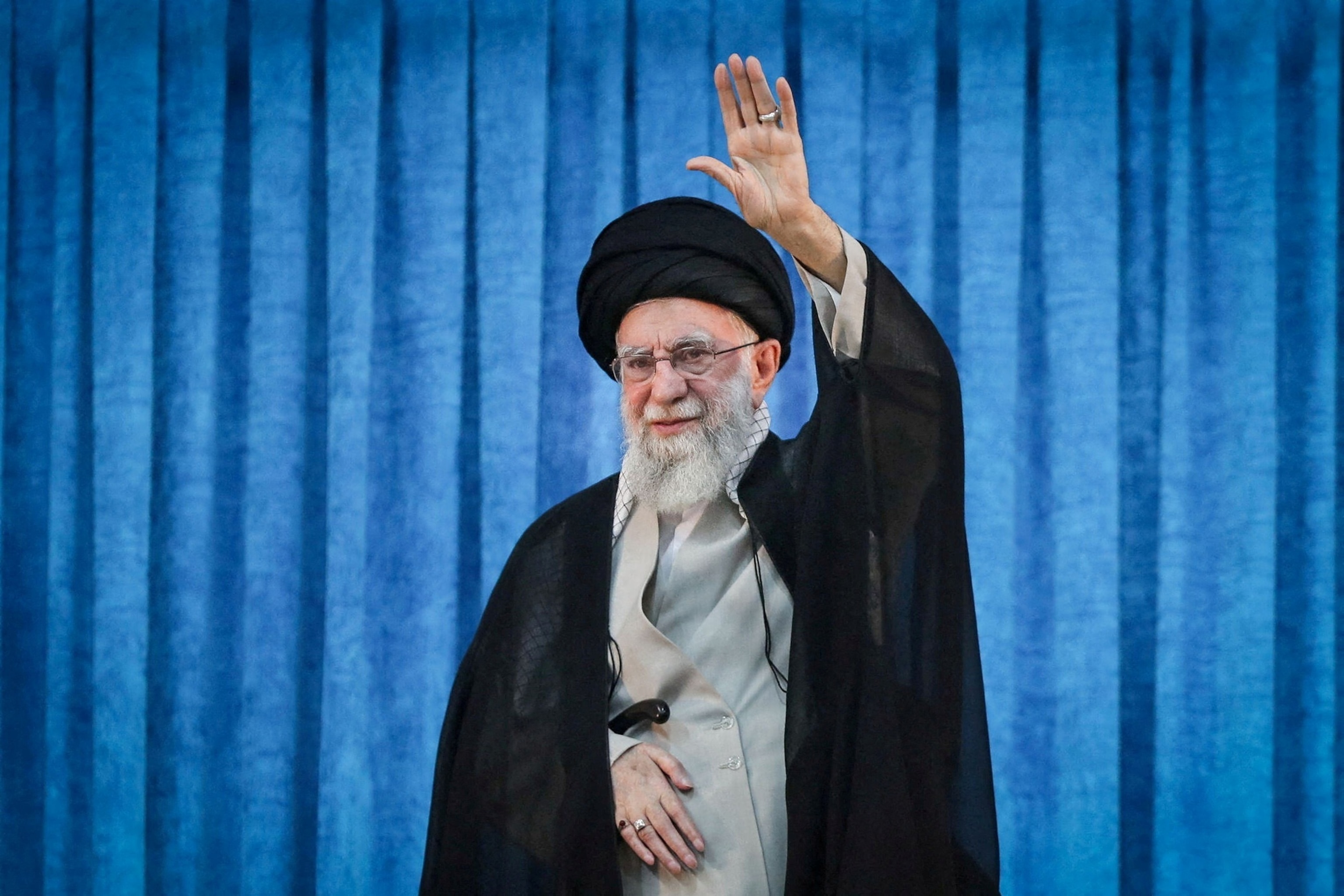
Irvine’s criticism is particularly noteworthy as a member of the global players’ union, Fifpro, where he holds a senior advocacy role. He is not alone in his concerns. Norway’s soccer federation has called for FIFA to abolish the prize altogether to avoid further entanglement in political controversies. The award’s creation similarly appears to have bypassed standard FIFA procedures, with USA Today reporting that FIFA’s Council and vice presidents were not consulted or involved in its creation, a departure from typical practice for such initiatives.
Disconnect Between Football and Society
Irvine expressed concern that decisions like the Trump peace prize contribute to a growing disconnect between football and the communities it serves. He believes it sets back the perception of the sport, particularly at the highest level, making it seem increasingly detached from societal values. “Decisions like that feel like they just set us back in the perceived market of what football currently is, especially at the top level where it’s becoming so disconnected from society and the grassroots of what the game actually is and means in our communities and in the world,” Irvine said.
The Socceroos, as the Australian national team is known, were drawn into Group D for the 2026 World Cup, where they will face the United States, Turkey, and Paraguay. Irvine’s participation is contingent on his recovery from a recent foot injury, but he is on track to appear in his third World Cup tournament. His outspokenness on this issue highlights a growing trend of athletes using their platforms to address social and political concerns.
The FIFA Human Rights Policy
FIFA published its first Human Rights Policy in 2017, outlining its commitment to respecting and upholding human rights throughout its operations. HuffPost notes that Irvine’s criticism directly challenges FIFA’s adherence to this policy, suggesting a contradiction between its stated values and its actions. The awarding of the peace prize to a figure whose policies have been widely criticized for their impact on human rights raises serious questions about FIFA’s commitment to its own principles.
The controversy also comes at a time when the 2026 World Cup is already facing scrutiny over various issues, including ticket pricing and logistical challenges. The addition of the political dimension surrounding the Trump peace prize further complicates the landscape for the tournament, potentially overshadowing the sporting spectacle itself.
Geopolitical Pressures and the 2026 World Cup
The 2026 World Cup, co-hosted across North America, was envisioned as a unifying force. However, the political climate and FIFA’s decisions have cast a shadow over this ambition. The involvement of the United States, with its complex geopolitical relationships, adds another layer of sensitivity to the tournament. The ongoing conflicts in the Middle East and other regions further heighten the tensions surrounding the event.
Irvine’s comments are likely to resonate with other players and fans who share concerns about the politicization of sport. His willingness to speak out against FIFA’s decision demonstrates a growing awareness among athletes of their responsibility to advocate for their values. The situation underscores the challenges faced by sporting organizations in navigating the increasingly complex intersection of sports and politics.
The debate surrounding the Trump peace prize is expected to continue in the lead-up to the World Cup. FIFA has yet to issue a further response to Irvine’s criticism, but the controversy is likely to remain a focal point as the tournament draws nearer. The incident serves as a reminder of the power of sport to both unite and divide, and the importance of upholding ethical principles in the face of political pressures.
The next development to watch will be FIFA’s response to the growing criticism and any potential reconsideration of the award. Fans and stakeholders will be looking for a clear statement of FIFA’s commitment to its human rights policy and a demonstration of its willingness to address concerns about the politicization of the sport. Share your thoughts on this controversial decision in the comments below.
Worth a look