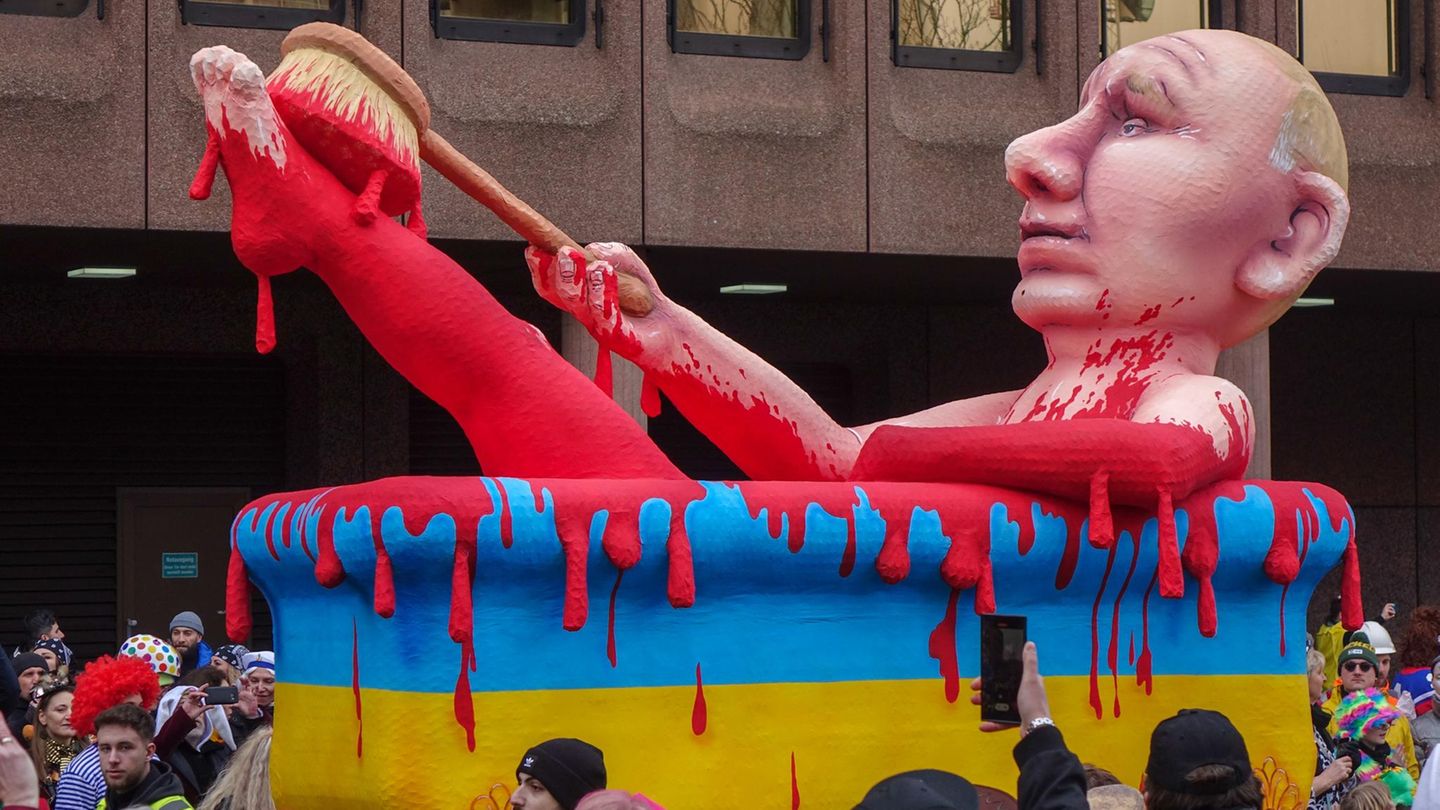
Jacques Tilly: The Satirist Facing Legal Action in Russia
Jacques Tilly, Germany’s most provocative carnival float designer, is currently embroiled in a legal battle with the Russian government due to his satirical depictions of Vladimir Putin. This situation has raised concerns about artistic freedom and the lengths to which governments will go to suppress dissent, even across international borders.
A History of Political Satire
For years, Tilly has been known for his biting and often controversial carnival floats that lampoon political figures and current events. His work, a staple of the Düsseldorf Carnival, doesn’t shy away from challenging power and provoking thought. He has previously targeted figures like Donald Trump, Elon Musk, and Alice Weidel, but his repeated criticism of Vladimir Putin has led to unprecedented consequences.
The Charges and the trial
The Kremlin initiated legal proceedings against Tilly in Moscow last year,accusing him of defamation and insulting the dignity of the President of the Russian Federation. the charges stem from floats that depicted Putin in a highly critical and unflattering manner, including imagery referencing bloodshed, imprisonment, and alignment with Stalinist figures. One particularly controversial float depicted Putin in a sexually compromising situation with the head of the Russian Orthodox Church, symbolizing the perceived endorsement of the war in Ukraine. The maximum penalty for such offenses under Russian law is ten years imprisonment.
Security Concerns and Increased Vigilance
Given the legal action taken by Russia, German authorities are taking extra precautions to ensure Tilly’s safety. Police are expected to provide increased security during the upcoming Rose Monday parade in Düsseldorf,where tilly’s latest creations will be unveiled. This heightened security reflects the seriousness with which the situation is being treated, and the potential for repercussions.
Tilly’s response and Artistic Ideology
Tilly has remained defiant throughout the ordeal, viewing the legal action as a badge of honor. He maintains that his work is a form of artistic expression and a necessary component of a free and democratic society. He has stated that his best ideas often come together in the days leading up to the parade, and his team works tirelessly to bring his visions to life using traditional methods like painting, sculpting, and papier-mâché.
The Broader Implications
This case raises vital questions about the limits of free speech and the vulnerability of artists who dare to criticize authoritarian regimes.The fact that a foreign national is being prosecuted by Russia for artistic expression within Germany sets a concerning precedent. It highlights the increasing challenges faced by satirists and political artists in an era of heightened political polarization and censorship.
Looking Ahead
As the Rose Monday parade approaches, all eyes will be on jacques Tilly and his latest creations. His response to the legal proceedings is eagerly anticipated,and his work is sure to spark further debate about the role of satire in a world grappling with complex political issues. The situation underscores the power of art to challenge authority and the importance of protecting artistic freedom, even in the face of intimidation and legal threats.