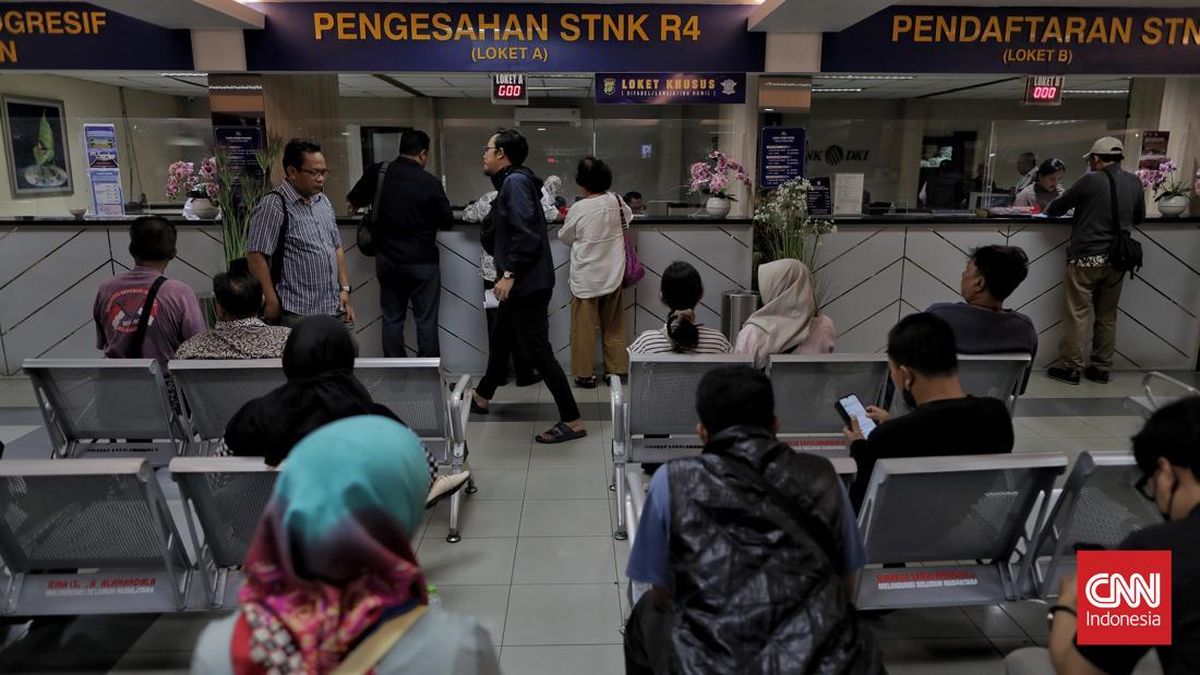
The Jakarta Provincial Government has officially announced a new fiscal incentive program, initiating a period of pemutihan pajak kendaraan di Jakarta (tax amnesty for vehicle owners) beginning June 1, 2026. This policy, designed to alleviate the financial burden on residents and improve tax compliance rates across the capital, provides a significant waiver for administrative penalties associated with outstanding motor vehicle tax (PKB) and the transfer of title fee for motorized vehicles (BBNKB).
As a journalist who has spent over 16 years tracking shifts in regional policy and economic governance, I recognize these measures as a strategic effort to clean up the regional tax database. By removing the deterrent of accumulated late fees—which often discourage owners from regularizing their vehicle status—the administration aims to encourage a higher volume of voluntary tax payments during the three-month window. This initiative is governed by the regional regulations overseen by the Jakarta Regional Revenue Agency (Bapenda DKI Jakarta), which serves as the primary authority for tax administration in the province official Bapenda DKI Jakarta portal.
Understanding the Scope of the Tax Amnesty
The core of this policy is the temporary suspension of administrative sanctions, commonly referred to as “pemutihan.” Specifically, the program targets the waiver of interest or fines that have accrued due to late payments of the Motor Vehicle Tax (PKB) and the Transfer of Title Fee for Motorized Vehicles (BBNKB). For many vehicle owners in Jakarta, these accumulated fines can often exceed the value of the tax itself, acting as a significant barrier to compliance.

This initiative, which runs from June 1, 2026, through August 31, 2026, applies to both private and commercial vehicles registered within the Jakarta jurisdiction. According to guidelines released by the Jakarta Legal Documentation and Information Network (JDIH), the relief is intended to provide a “reset” for taxpayers, allowing them to settle their principal tax obligations without the additional financial weight of late-payment penalties. This amnesty strictly covers administrative fines; the base tax amount remains due and must be paid in full to maintain legal vehicle registration status.
Key Details of the 2026 Policy
- Program Duration: The amnesty period is strictly defined, commencing on June 1, 2026 and concluding on August 31, 2026.
- Scope of Relief: The waiver specifically targets administrative interest and late-payment penalties for PKB and BBNKB.
- Eligibility: The program is open to all residents of Jakarta with vehicles registered under the DKI Jakarta provincial license code.
- Administrative Goal: To incentivize the regularization of vehicle ownership documentation and boost local government revenue streams.
Why Tax Compliance Matters for Jakarta
From an economic standpoint, the provincial government relies heavily on vehicle-related taxes to fund infrastructure projects, public transportation improvements, and urban maintenance. When a significant portion of the population falls behind on payments, it creates a “shadow” fleet of vehicles that are technically non-compliant, complicating traffic management and urban planning efforts. The 2026 tax amnesty is not merely a revenue-generation tool; This proves an effort to improve the accuracy of the regional vehicle registry.
By incentivizing owners to clear their records, the government gains a clearer picture of vehicle ownership demographics and usage patterns. This data is essential for the Jakarta Transportation Agency (Dishub) to effectively manage road congestion and prioritize investment in public transit corridors. For the individual taxpayer, the benefit is clear: by settling during this three-month window, owners can secure their legal standing and avoid the risk of future enforcement actions that may follow as the government tightens oversight on non-compliant vehicles.
Practical Steps for Taxpayers
For those looking to take advantage of this amnesty, the process is largely integrated into the existing digital tax payment systems. Taxpayers are encouraged to utilize the official provincial payment channels, including mobile applications and designated banking partners, to verify their current outstanding balance. It is a common misconception that one must visit a physical office to process these payments; however, the provincial government has heavily digitized the process to handle the expected increase in volume during the three-month period.

Before proceeding, owners should ensure they have their original Vehicle Registration Certificate (STNK) and their National Identity Card (KTP) ready, as these are required for verification in the digital portal. For specific queries regarding complex ownership transfers or commercial fleet registration, the Bapenda Information Service provides real-time updates and contact channels for residents seeking clarification on their specific tax status.
Looking Ahead: The Post-Amnesty Landscape
As we move through the summer of 2026, it is expected that the Jakarta administration will monitor the take-up rate of this amnesty closely. Historically, such programs are followed by periods of stricter enforcement. Once the August 31, 2026, deadline passes, the standard administrative penalty structure will be reinstated, and the government may deploy more aggressive measures to identify and penalize vehicles that remain in arrears.
If you are a vehicle owner in the capital, this window represents the most cost-effective time to resolve any outstanding issues with your vehicle documentation. I encourage our readers to double-check their tax status immediately to avoid the last-minute rush that typically occurs toward the end of such programs. For ongoing updates regarding legislative changes or further extensions, keep an eye on the official Jakarta government announcements. We will continue to track the success of this initiative and provide updates as the August deadline approaches. Do you have questions about how this affects your specific registration status? Feel free to share your thoughts or experiences in the comments section below.
Keep reading