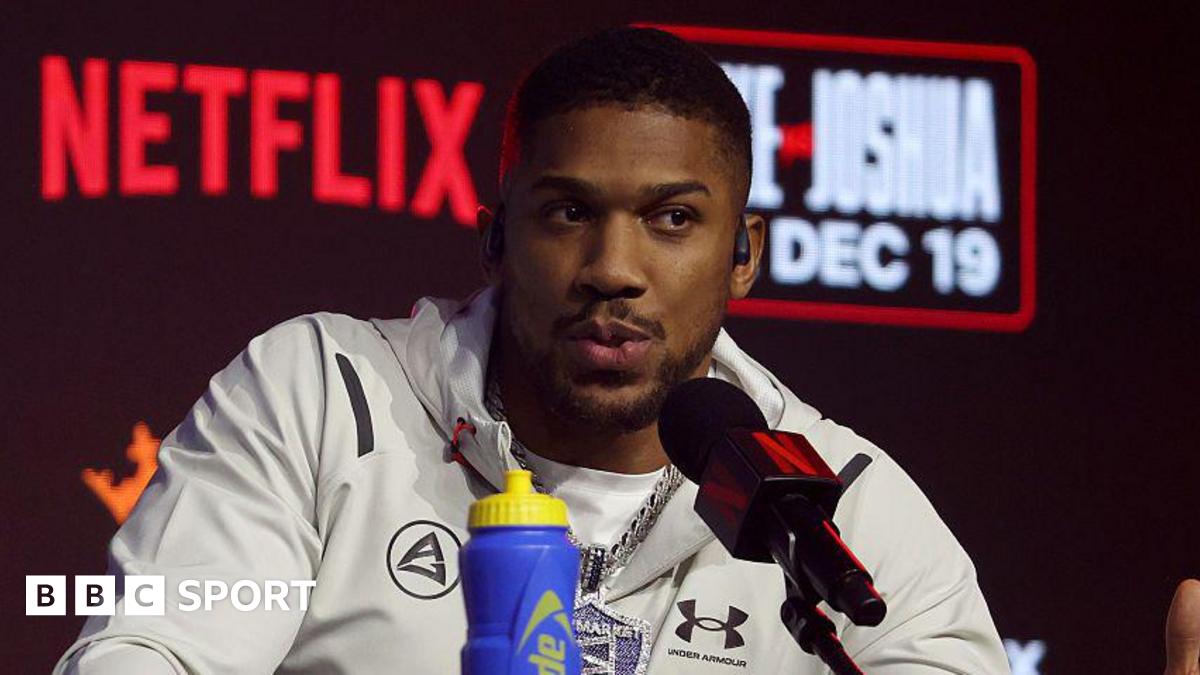
Anthony Joshua‘s “Kill” Comments: Deconstructing the Rhetoric and Risks in Boxing
Anthony Joshua’s recent remarks regarding his upcoming fight with Jake Paul have ignited a firestorm of controversy. The former heavyweight champion stated he woudl “kill” Paul if the opportunity presented itself, sparking criticism from fellow boxers like Tyson Fury and raising serious questions about the rhetoric used within the sport. This article delves into the context of Joshua’s comments, the inherent dangers of boxing, and the responsibility fighters have regarding their public statements.
The Origin of the Controversy
Initially, Joshua made the “kill” comment while responding to a question about whether he would hold back against Paul. He framed it as part of the job, stating fighters “have a license to kill.” This statement, made during a press conference, quickly circulated and drew condemnation. Joshua doubled down on his position, explaining the mentality required to compete in a hazardous sport like boxing.
Understanding the “Licence to Kill” Mentality
Joshua’s phrasing, while shocking to some, taps into a long-held, if unspoken, understanding within the boxing world. Boxing is fundamentally a combat sport where the objective is to inflict controlled damage on your opponent. It’s a brutal reality that requires a specific mindset.
* Fighters must be prepared to deliver and receive meaningful physical trauma.
* The goal is incapacitation, even if temporary, achieved through strategic and powerful strikes.
* This necessitates a level of aggression and detachment that can be difficult for outsiders to comprehend.
However, it’s crucial to distinguish between the necessary mindset for competition and the explicit expression of violent intent.
The Risks Inherent in Boxing
Boxing is undeniably dangerous. Despite regulations and safety measures, the risk of serious injury – and even death - is ever-present. Consider these factors:
* Concussions: Repeated head trauma can lead to long-term neurological damage.
* Physical Exhaustion: The extreme physical demands of a fight increase vulnerability.
* Unpredictability: A single, well-placed punch can change the course of a fight instantly.
You, as a fan, understand these risks are part of the sport’s appeal, but they don’t negate the need for responsible discourse.
Responsibility and the Power of Words
While the “licence to kill” concept may resonate within the boxing community, Joshua’s public statements carry significant weight. As a prominent athlete, he has a responsibility to consider the impact of his words.
* Influence on Younger Audiences: His comments could normalize violence or desensitize individuals to the dangers of combat sports.
* Perception of the Sport: Inflammatory language can reinforce negative stereotypes about boxing.
* Legal Implications: While likely hyperbole, such statements could possibly have legal ramifications.
Jake Paul’s Response and the escalation of Rhetoric
Jake Paul, never one to shy away from controversy, responded to Joshua’s comments with equally provocative language, stating, “Let’s kill each other.” This escalation of rhetoric further fuels the narrative of violence surrounding the fight. Paul’s background as a social media personality adds another layer to the situation, as his words are likely intended to generate attention and hype.
The size and Skill Disparity
Adding to the concerns surrounding this fight is the significant size and skill difference between Joshua and Paul. Joshua is a seasoned heavyweight with Olympic gold and multiple world title reigns. Paul, while a dedicated boxer, is naturally a cruiserweight and is stepping up significantly in weight class. This disparity raises questions about fighter safety and the potential for a mismatch.
Moving Forward: A Call for Responsible Dialogue
The controversy surrounding Joshua’s comments serves as a reminder of the need for responsible dialogue within the boxing world.While acknowledging the inherent dangers of the sport, fighters and promoters should prioritize safety and avoid language that glorifies violence. You, as a fan, also play a role in demanding a more measured and respectful conversation.
Evergreen Insights: The Evolution of Boxing rhetoric
Throughout boxing history, fighters have employed aggressive language to intimidate opponents and build excitement. From Muhammad Ali’s poetic trash talk to Mike Tyson’s menacing pronouncements, the use of hyperbole and psychological warfare has been
Worth a look