
A planned UFC-themed birthday celebration for former President Donald Trump has prompted a planned musical protest from a coalition of actors and activists, led by Jane Fonda. The counter-event, titled “Rise Up Sing Out,” aims to invoke the legacy of the Committee for the First Amendment, a historical protest group founded by Fonda’s father, Henry Fonda, to combat political persecutions during the McCarthy era.
While specific details regarding the scale and official guest list of the Trump celebration have not been released by his campaign, the proposed theme aligns with the former president’s long-standing association with combat sports. He has appeared frequently at Ultimate Fighting Championship (UFC) events and maintains a public relationship with UFC President Dana White, according to various sports and political news reports.
The “Rise Up Sing Out” concert serves as a direct response to the cultural and political direction of the Trump campaign. Organizers of the concert state that the event will use music and historical parallels to advocate for civil liberties. The movement seeks to link contemporary political tensions to the mid-20th-century struggle against the House Un-American Activities Committee (HUAC).
The connection between Donald Trump and combat sports
The reported UFC theme for the birthday festivities reflects a broader trend in Donald Trump’s political branding, which often incorporates elements of professional wrestling and mixed martial arts. Throughout his presidency and subsequent campaigns, Trump has frequently utilized the aesthetics of high-impact, televised combat to engage his base. This connection is most visible through his interactions with UFC leadership.
Dana White, the president of the UFC, has consistently supported Trump, often appearing at campaign rallies and expressing political views that align with the former president. The UFC itself has become a significant venue for political expression, with fighters and executives often engaging in rhetoric that mirrors the cultural divide in the United States. By adopting a UFC theme, the celebration signals an intention to lean into the “toughness” and “spectacle” associated with the sport.
Political analysts note that the use of combat sports imagery serves to frame political contests as physical battles. This branding strategy is designed to resonate with a demographic that values strength and decisive action. While the Trump campaign has not officially confirmed the specific itinerary for his birthday, the alignment with the UFC brand is consistent with his previous public appearances and endorsements.
Jane Fonda and the mobilization of celebrity activism
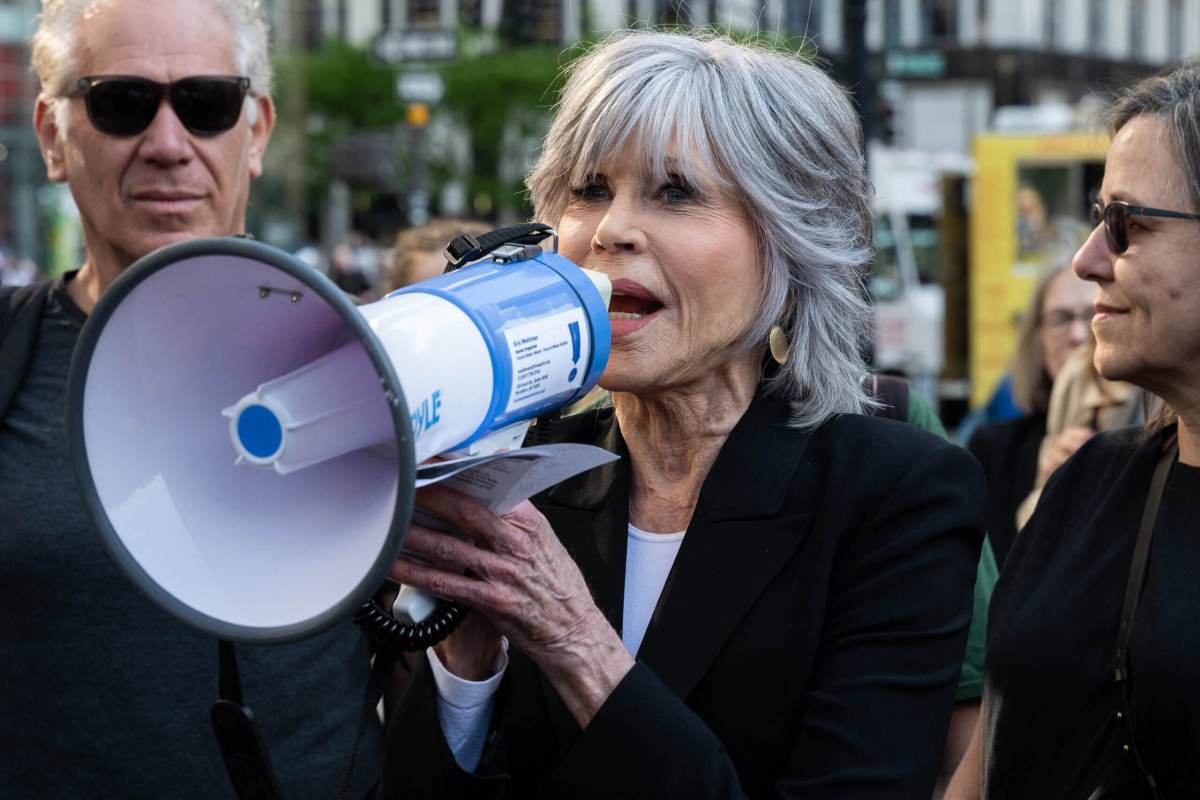
In response to the celebrity-driven spectacle of the Trump camp, Jane Fonda is leveraging her decades of political involvement to organize the “Rise Up Sing Out” concert. Fonda, an Academy Award-winning actress, has been a prominent figure in American activism since the 1960s, focusing on anti-war movements, environmentalism, and reproductive rights.
The “Rise Up Sing Out” event is not merely a musical performance but is designed as a platform for political mobilization. According to organizers, the concert will feature a lineup of artists and activists who intend to use the stage to discuss the importance of protecting democratic institutions. This approach mirrors the “celebrity-as-activist” model that has become a staple of American political life, though Fonda’s approach is rooted in a specific historical lineage.
Fonda’s involvement brings a layer of historical continuity to the protest. By connecting the current political climate to the McCarthy era, she is attempting to frame modern political polarization as a recurring cycle in American history. This strategy aims to alert supporters to what organizers describe as potential threats to the First Amendment and the rights of political dissenters.
The legacy of the Committee for the First Amendment
The mention of the Committee for the First Amendment provides the intellectual and historical framework for the “Rise Up Sing Out” concert. The original Committee was established in 1947 as a direct response to the investigations conducted by the House Un-American Activities Committee (HUAC). At the time, the committee was targeting individuals suspected of having communist affiliations, a movement that eventually led to the widespread “Hollywood Blacklist.”
Henry Fonda, Jane Fonda’s father, was a central figure in the original Committee. Alongside other prominent Hollywood figures such as Humphrey Bogart, the group sought to defend the constitutional rights of citizens to free speech and association. The Committee argued that the HUAC investigations were an overreach of government power that infringed upon the First Amendment and created a climate of fear within the entertainment industry.
The historical importance of the Committee lies in its role as one of the first major organized resistances to the Red Scare. While the Committee did not succeed in stopping the blacklist, it established a precedent for how cultural figures could use their influence to challenge government-led political persecutions. Jane Fonda’s decision to invoke this group is a deliberate attempt to draw a line between the ideological battles of the 1940s and the political divisions of the present day.
A comparison of political protest eras
The following table compares the historical context of the original Committee for the First Amendment with the modern activist response organized by Jane Fonda.
| Feature | 1947 Committee (McCarthy Era) | Modern “Rise Up” Response |
|---|---|---|
| Primary Target | HUAC and Communist allegations | Political polarization and cultural branding |
| Key Figures | Henry Fonda, Humphrey Bogart | Jane Fonda, various modern activists |
| Primary Medium | Press releases, legal challenges | Concerts, social media, mass rallies |
| Core Objective | Ending the Hollywood Blacklist | Protecting democratic institutions |
The legal and cultural implications of the First Amendment struggle
The tension between these two events—one centered on the spectacle of combat sports and the other on the defense of constitutional rights—highlights a significant divide in how political identity is expressed in the United States. The use of the First Amendment as a rallying cry by Fonda’s group underscores a concern regarding the limits of political discourse and the potential for government or social pressure to silence dissent.
Legal scholars have long noted that the First Amendment is a living document, frequently tested by the shifting winds of political sentiment. During the McCarthy era, the legal protections for speech were often bypassed by the social and economic consequences of being labeled “un-American.” The modern activist response suggests a belief that similar pressures are currently being applied to the American electorate and political figures.
Furthermore, the “spectacle” aspect of the Trump celebration, characterized by the UFC theme, represents a shift in how political power is projected. Where the 1940s protests were focused on legalistic and procedural defenses of speech, modern political branding often utilizes entertainment-driven imagery to consolidate support. This creates a landscape where political engagement is increasingly mediated through the lens of pop culture and professional entertainment.
How celebrity activism has evolved
The transition from Henry Fonda’s involvement in the Committee to Jane Fonda’s “Rise Up Sing Out” concert illustrates the evolution of celebrity influence. In the mid-20th century, celebrity activism was often a matter of high-stakes legal and social survival. For many in Hollywood, supporting the Committee meant risking their careers during a period of intense government scrutiny.
In the contemporary era, celebrity activism is more decentralized and integrated into the digital landscape. While the risks are different, the ability of high-profile figures to mobilize large audiences remains a potent political tool. The “Rise Up Sing Out” concert demonstrates how modern activists use large-scale cultural events to create a sense of community and shared purpose among their supporters.
However, this evolution also brings new challenges. The saturation of political messaging within the entertainment industry means that celebrity endorsements can sometimes be met with skepticism or viewed as partisan signaling rather than principled defense of rights. The effectiveness of Fonda’s movement will likely depend on its ability to move beyond celebrity appeal and engage with the core legal and constitutional arguments it presents.
The upcoming “Rise Up Sing Out” concert is expected to provide more specific details regarding its full lineup and location in the coming weeks. Observers will be watching to see if the event can successfully translate historical reverence into modern political momentum.
What are your thoughts on the role of celebrity activism in modern politics? Share this article and join the conversation in the comments below.
Related reading