Immunosuppression-associated peripheral T-cell lymphoma (PTCL) is an aggressive form of non-Hodgkin lymphoma that develops in individuals with compromised immune systems, such as organ transplant recipients or those living with HIV. This malignancy occurs when the body’s T-cells—white blood cells responsible for fighting infection—undergo uncontrolled, cancerous growth due to a lack of effective immune surveillance.
Medical researchers and oncologists identify this specific subtype as a significant clinical challenge because the very treatments used to prevent organ rejection or manage chronic infections can inadvertently create an environment conducive to T-cell mutations. According to the National Cancer Institute (NCI), peripheral T-cell lymphomas represent a diverse group of blood cancers that are generally more difficult to treat than the more common B-cell lymphomas.
The link between a weakened immune system and the onset of PTCL is a growing area of focus in hematologic oncology. When the immune system is suppressed, whether through medication, viral infection, or underlying disease, the natural mechanisms that identify and destroy mutated cells are diminished. This allows T-cells to proliferate unchecked, leading to the formation of tumors in the lymph nodes, skin, or other organs.
What biological changes trigger T-cell malignancy in immunocompromised patients?
To understand why immunosuppression leads to PTCL, it is necessary to examine the role of T-cells in the human immune response. T-cells are a type of lymphocyte that coordinates the body’s defense against pathogens. In a healthy individual, a process known as “immune surveillance” constantly monitors the body for cells that have undergone genetic errors or become infected. When a mutated cell is detected, T-cells identify it and trigger its destruction.
In patients undergoing immunosuppressive therapy—often required to prevent the rejection of transplanted organs—the biological balance is intentionally shifted. Drugs like corticosteroids, calcineurin inhibitors (such as cyclosporine or tacrolimus), and mycophenolate mofetil reduce the activity of the immune system. While these medications are life-saving for transplant recipients, they reduce the efficiency of immune surveillance. According to clinical data summarized by the Leukemia & Lymphoma Society (LLS), this reduced oversight can allow a single mutated T-cell to bypass detection and begin a cycle of rapid replication.
Furthermore, chronic viral infections that cause immunosuppression, such as the Human Immunodeficiency Virus (HIV) or the Epstein-Barr Virus (EBV), can introduce additional complexity. EBV, in particular, is known to infect B-cells and T-cells, and in an immunocompromised host, it can drive the oncogenic processes that lead to various types of lymphoma. The presence of these viruses can act as a catalyst, providing the genetic “instructions” for cells to ignore normal growth limits.
Which patient groups face the highest risk for this lymphoma?
The risk for developing immunosuppression-associated PTCL is not distributed equally across the population. It is primarily concentrated in three distinct clinical groups:
- Organ Transplant Recipients: These individuals must take lifelong immunosuppressive drugs to ensure their bodies do not attack a new kidney, liver, or heart. The chronic suppression of T-cell activity makes them a primary demographic for post-transplant lymphoproliferative disorders (PTLD) and PTCL.
- Individuals living with HIV/AIDS: The virus directly attacks CD4+ T-cells, which are the “commanders” of the immune system. As the CD4+ count drops, the body loses its ability to regulate lymphocyte populations, significantly increasing the risk of various hematologic malignancies.
- Patients on long-term Immunosuppressive Therapy for Autoimmune Diseases: People treated for conditions like rheumatoid arthritis, lupus, or Crohn’s disease often use medications that dampen the immune response. While these drugs manage the autoimmune attack, they also lower the threshold for oncogenic T-cell development.
Clinical observations suggest that the duration and intensity of the immunosuppression are critical variables. Patients who require higher doses of immunosuppressants or who have been on such regimens for many years show a statistically higher incidence of T-cell malignancies compared to those on lower-intensity maintenance therapies.
How does PTCL compare to more common B-cell lymphomas?
While both PTCL and B-cell lymphomas fall under the umbrella of non-Hodgkin lymphoma (NHL), they differ significantly in their biological behavior, diagnosis, and prognosis. Most non-Hodgkin lymphomas are B-cell malignancies, which involve the lymphocytes that produce antibodies. Because B-cell lymphomas are more common, much of the standard oncology research has historically focused on their treatment.
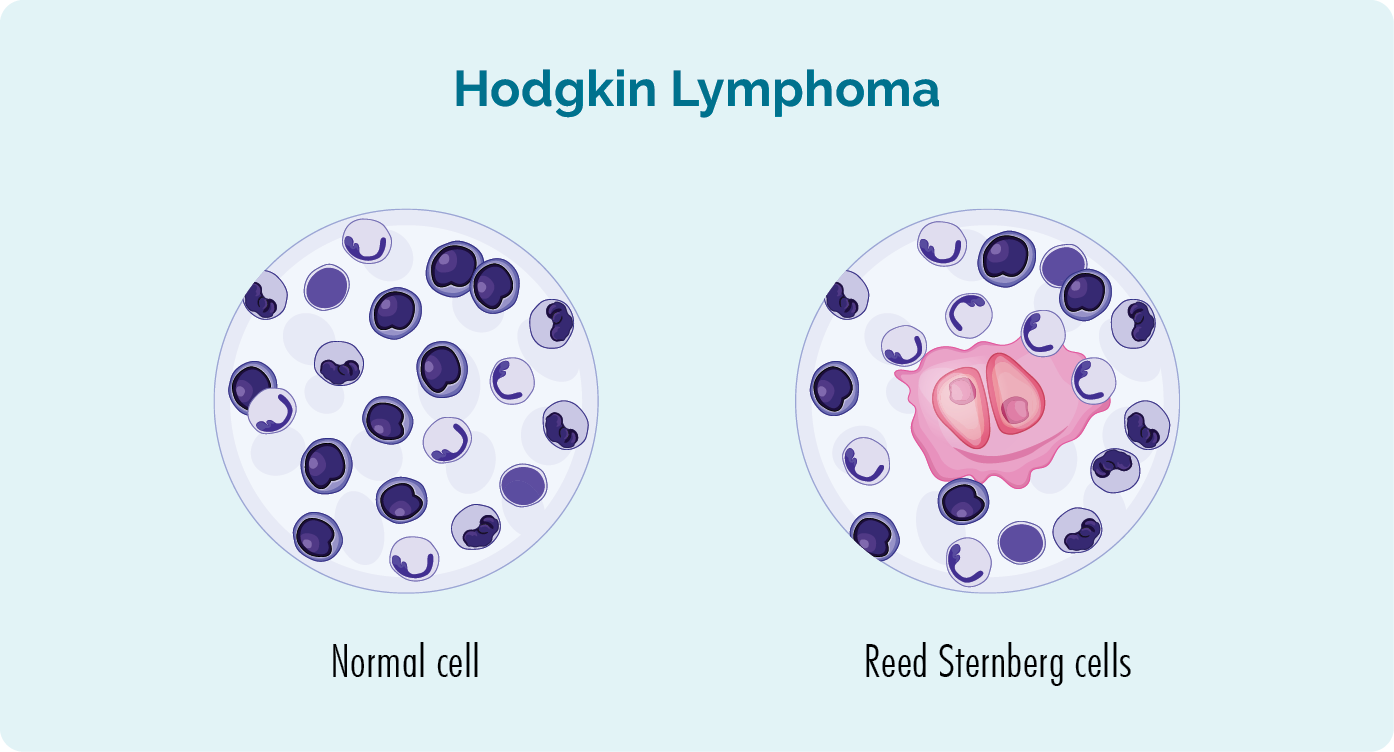
T-cell lymphomas, however, present unique challenges. Below is a comparison of the typical characteristics observed in clinical settings:
| Feature | B-Cell Lymphoma (Common NHL) | Peripheral T-Cell Lymphoma (PTCL) |
|---|---|---|
| Cell Origin | B-lymphocytes (antibody producers) | T-lymphocytes (immune coordinators) |
| Prevalence | Highly common; most frequent NHL type | Relatively rare; more aggressive subtype |
| Immune Link | Often linked to B-cell dysregulation | Strongly linked to T-cell immunosuppression |
| Clinical Aggression | Varies widely (from indolent to aggressive) | Generally highly aggressive and fast-growing |
| Treatment Response | Often responds well to standard chemo/immunotherapy | Often resistant to standard first-line therapies |
The distinction is vital for clinicians. Because PTCL is often more aggressive and less responsive to the standard “one-size-fits-all” chemotherapy regimens used for B-cell lymphomas, diagnosis must be precise. Misidentifying a T-cell lymphoma as a B-cell lymphoma can lead to ineffective treatment protocols and poorer patient outcomes.
How are doctors diagnose and manage this type of lymphoma?
Diagnosis typically begins when a patient presents with symptoms such as persistent fever, unexplained weight loss, night sweats, or swollen lymph nodes (lymphadenopathy). In immunosuppressed patients, these symptoms can sometimes be mistaken for common infections, which can delay the identification of the malignancy.
To confirm a diagnosis of PTCL, hematologists rely on several layers of testing:
- Lymph Node Biopsy: This is the gold standard. A pathologist examines the tissue under a microscope to observe the structure of the cells.
- Immunohistochemistry (IHC): This process uses specific antibodies to identify which proteins are present on the surface of the cancer cells. This confirms whether the cells are indeed T-cells and helps categorize the specific subtype of PTCL.
- Flow Cytometry: This technique analyzes the physical and chemical characteristics of the cells to provide a rapid profile of the lymphocyte population.
- Genetic and Molecular Testing: Advanced testing can identify specific chromosomal translocations or mutations that drive the cancer, which may guide targeted therapy options.
Management of PTCL is complex, particularly in patients who must remain immunosuppressed for other life-critical reasons. The primary goal is to eradicate the malignancy while managing the patient’s underlying condition. Standard treatment often involves intensive chemotherapy, such as the CHOP regimen (cyclophosphamide, doxorubicin, vincristine, and prednisone). However, for many patients, especially those with aggressive subtypes, clinicians are increasingly looking toward targeted therapies and immunotherapy.
Immunotherapy, which utilizes the body’s own immune system to fight cancer, holds promise but presents a paradox in this patient group. Since the patient’s immune system is already suppressed, the effectiveness of these treatments can vary. Researchers are currently investigating ways to tailor these therapies to ensure they can target the cancerous T-cells without further compromising the patient’s ability to fight routine infections.
Frequently Asked Questions
Is peripheral T-cell lymphoma curable?
Curability depends on the specific subtype of PTCL, the stage at which it is diagnosed, and the patient’s overall health. While some patients achieve complete remission, PTCL is generally considered an aggressive disease with a higher risk of recurrence compared to many B-cell lymphomas. Clinical trials are ongoing to improve long-term survival rates.

Can preventing immunosuppression reduce the risk?
In many cases, immunosuppression is a medical necessity, such as for organ transplant recipients. In these instances, the risk cannot be eliminated, but it can be managed. Doctors aim to use the minimum effective dose of immunosuppressive drugs and monitor patients closely for early signs of malignancy or infection.
How does HIV contribute to the development of PTCL?
HIV weakens the immune system by destroying CD4+ T-cells. This loss of cellular control disrupts the body’s ability to regulate the growth of all lymphocytes, including the T-cells that can eventually become cancerous. The chronic inflammation and immune dysfunction associated with HIV create a fertile environment for these mutations to occur.
Clinical monitoring for patients at high risk remains the most effective tool for early intervention. The next major updates regarding T-cell lymphoma treatment protocols are expected to follow the upcoming annual meetings of the American Society of Hematology (ASH).
Have you or a loved one been affected by discussions around immunotherapy or lymphoma management? Share your thoughts or questions in the comments below to join the conversation.
Keep reading