
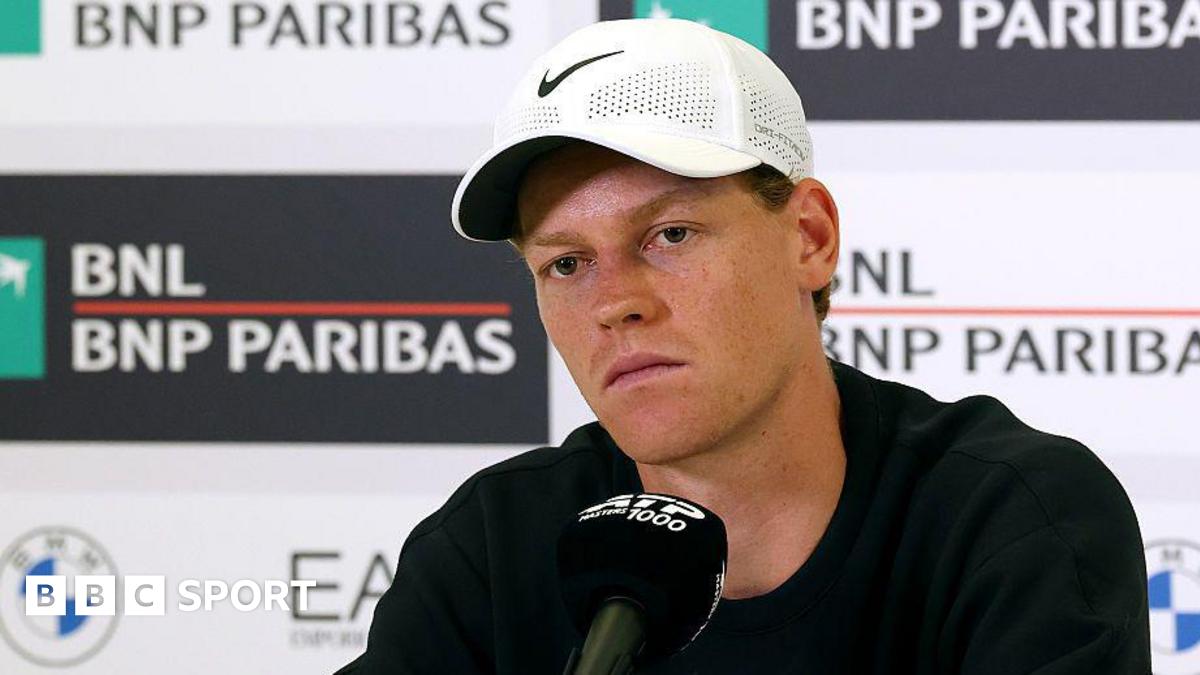
The glittering surface of professional tennis often masks a stark economic reality: while the champions at the top of the rankings earn millions in prize money and endorsements, a significant portion of the professional circuit struggles to maintain a sustainable living. This divide has recently moved to the forefront of the sporting conversation, as top-tier players, including world number one Jannik Sinner, have touched upon the lack of respect and financial security afforded to the broader player base.
The discourse surrounding tennis player prize money and respect is not merely about the size of the checks handed to winners, but about the structural distribution of wealth within the sport. For players ranked outside the top 100, the cost of travel, coaching, and physiotherapy often outweighs the earnings from early-round exits at ATP and WTA events. This financial precariousness creates a system where only a tiny elite can truly thrive, while the “rank-and-file” professionals navigate a precarious existence.
Sinner, who has ascended to the pinnacle of the game through a combination of tactical precision and mental fortitude, represents a new generation of athletes who are increasingly aware of the systemic imbalances in their sport. While the top players are often shielded from these struggles by their massive earnings, their voices carry significant weight when calling for a more equitable distribution of the sport’s immense revenues.
The tension between the players and the governing bodies—specifically the Grand Slam organizers and the ATP/WTA tours—has reached a tipping point. The debate now centers on whether the current model of “winner-takes-most” is sustainable or if a fundamental shift is required to ensure that the sport remains accessible to talent regardless of their initial financial backing.
The Financial Chasm: Top Seeds vs. The Rank-and-File
To understand why players feel a lack of respect, one must look at the numbers. The disparity in earnings between a Grand Slam champion and a player who exits in the first round is astronomical. While the ATP Tour provides a framework for earnings, the bulk of a player’s income is derived from the four majors: the Australian Open, Roland Garros, Wimbledon, and the US Open.
For a top-10 player, a first-round loss at a Grand Slam still yields a payout that exceeds the annual earnings of many players ranked between 150 and 300. This gap creates a psychological and professional divide. When players speak of “respect,” they are often referring to the recognition that the quality of the tournament is dependent on the depth of the field, not just the presence of a few superstars.
The cost of competing on the professional tour is a significant burden. A touring professional typically employs a coach, a fitness trainer, and often a part-time physiotherapist. When combined with international flights and hotel stays, the overhead can easily exceed $100,000 per year. For those who do not consistently reach the second or third rounds of major events, the sport becomes a financial drain rather than a career.
This economic pressure is a primary driver for the push toward prize money reform. The argument is simple: if the sport wants to maintain a high level of competition and global growth, it must ensure that the players who provide the “bulk” of the matches are not operating at a loss.
Key Takeaways: The Tennis Compensation Debate
- Economic Disparity: A massive gap exists between the earnings of top-10 players and those ranked outside the top 100.
- High Overhead: Travel, coaching, and medical expenses often exceed the prize money earned by lower-ranked professionals.
- Systemic Respect: “Respect” in this context refers to financial sustainability and a fairer share of the sport’s global revenue.
- Grand Slam Influence: The four majors hold the most financial leverage, making them the primary targets for prize money redistribution.
- Player Advocacy: Top players like Jannik Sinner are increasingly using their platforms to highlight these imbalances.
The Role of Grand Slams in the Tennis Economy
The four Grand Slams are the engines of the tennis economy, generating billions in broadcasting rights and sponsorships. However, because these tournaments are independent entities rather than being run by the ATP or WTA, negotiating prize money increases is a complex, fragmented process. Each tournament has its own budget and priorities, which often leads to inconsistent growth in payouts for early-round participants.

Critics of the current system argue that the Grand Slams benefit immensely from the prestige and “grind” of the professional tour but do not reinvest enough into the base of the pyramid. The call for “respect” is effectively a call for a redistribution of these windfall profits. Instead of only increasing the winner’s check—which is already life-changing—advocates suggest increasing the “floor” for first- and second-round losers.
This issue has led to the rise of the Professional Tennis Players Association (PTPA), which has sought to give players a unified voice in negotiations. By treating the players as a collective rather than as individual contractors, the PTPA aims to challenge the traditional power dynamics of the sport. While not all top players have aligned with the PTPA, the sentiment they champion—that the current distribution is unfair—has gained mainstream traction.
The tension is further complicated by the scheduling of the tour. The grueling calendar, which requires players to travel globally for nearly 11 months a year, adds a physical and mental toll that is disproportionately felt by those who cannot afford the luxury of skipping smaller tournaments to preserve their health.
Sinner and the Responsibility of the Elite
For a player like Jannik Sinner, acknowledging these issues is a delicate balancing act. As one of the highest-earning athletes in the world, there is a risk of appearing out of touch. However, by speaking out about the lack of respect for the broader player base, Sinner aligns himself with a more holistic view of the sport’s health.
Sinner’s perspective is likely informed by the reality that the “top” is a volatile place. The transition from a promising junior to a profitable professional is a gauntlet that many talented players fail to run simply because they run out of money. By advocating for better conditions, the elite are essentially protecting the future of the game and ensuring that the next generation of talent is not stifled by financial barriers.

The conversation around prize money is also a conversation about the value of the athlete’s labor. Tennis is one of the few professional sports where the primary “laborers” (the players) have historically had very little say in how the commercial rights of their sport are managed. The push for more respect is, at its core, a push for a seat at the table where the financial decisions are made.
the mental health aspect cannot be ignored. The stress of knowing that a single injury or a string of first-round losses could lead to financial ruin is a burden that the top 1% of players do not carry. This disparity in mental pressure affects performance and longevity on the tour.
Moving Toward a Sustainable Future
What happens next in the fight for fairer compensation? The path forward likely involves a multi-pronged approach. First, there must be a more synchronized effort among the Grand Slams to raise the minimum payout for early rounds. Second, the ATP and WTA may need to explore new revenue-sharing models that decouple a player’s survival from their immediate match results.
Some have suggested a “salary floor” or a guaranteed minimum income for players who maintain a certain ranking, similar to the structures found in major North American professional leagues. While this would be a radical departure from the “prize money” tradition of tennis, it would provide the stability necessary for players to focus on their game rather than their bank accounts.
The influence of players like Sinner and other young stars is crucial here. The governing bodies are more likely to listen when the faces of the sport—the ones who drive ticket sales and TV ratings—demand change. If the top players make it clear that the current system is unacceptable, the pressure on the Grand Slam organizers will become irresistible.
the “respect” that players are seeking is not an abstract emotion; it is a tangible investment in the human beings who make the sport possible. Whether through boycotts, collective bargaining, or diplomatic negotiation, the push for a more equitable tennis economy is no longer a fringe movement—it is a central theme of the modern game.
The next major checkpoint for this discussion will be the upcoming ATP and WTA season-ending meetings, where prize money allocations for the following year are typically debated and finalized. These meetings will serve as a litmus test for whether the rhetoric of “respect” translates into actual financial reform.
Do you believe the current prize money distribution in tennis is fair, or should more be diverted to lower-ranked players? Share your thoughts in the comments below.