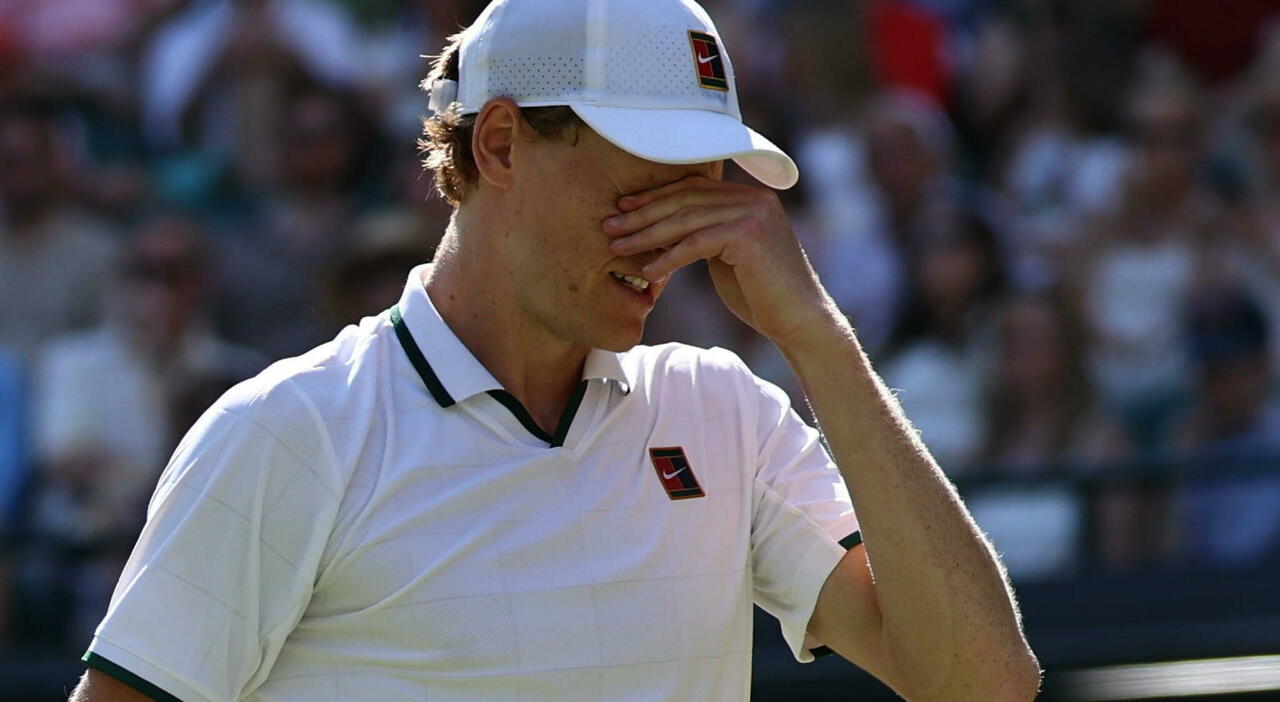
Jannik Sinner reported shoulder discomfort during a training session at Wimbledon, stating that the injury causes pain specifically when he hits the ball. The world No. 1 received immediate attention from his physiotherapist, Alejandro Resnicoff, following the session to manage the issue. This development comes as Sinner prepares for the grass-court challenges of the All England Club.
The Italian player’s admission that he feels a “fastidio” (bother/discomfort) during ball impact suggests a mechanical or inflammatory issue in the shoulder joint. While Sinner has not withdrawn from the competition, the presence of his medical team on the practice courts indicates a proactive approach to prevent a more severe injury. According to reports from the training grounds, Resnicoff performed targeted treatments immediately after Sinner finished his drills.
Shoulder injuries in professional tennis are often linked to the repetitive high-velocity motion of the serve and overhead shots. For a player like Sinner, whose game relies on precision and power, any disruption in the shoulder’s kinetic chain can affect both serve speed and baseline stability. The timing of this discomfort is critical, as the grass surface requires specific movement and striking patterns that differ from the clay and hard courts where Sinner has seen recent success.
How is Jannik Sinner’s shoulder injury affecting his preparation?
Sinner’s training regimen has been adjusted to account for the discomfort he experiences during striking. By utilizing Alejandro Resnicoff for immediate post-session therapy, the team is attempting to reduce inflammation and maintain joint mobility. The primary goal is to ensure that the pain does not escalate into a chronic condition that could limit his range of motion during match play.

The impact of such an injury typically manifests in the serve. Because the serve is the most taxing motion for the rotator cuff and labrum, players often modify their practice volume to avoid aggravating the area. Sinner’s specific comment—that it bothers him “when I hit”—points to a pain trigger associated with the acceleration or deceleration phase of the swing, which is common in elite athletes facing high workloads.
Who is Alejandro Resnicoff and what is his role in Sinner’s recovery?
Alejandro Resnicoff serves as the physiotherapist for Jannik Sinner, acting as the first line of defense against musculoskeletal injuries. His role involves not only treating acute pain but also implementing preventative strategies to ensure the athlete’s body can withstand the rigors of a Grand Slam tournament. At Wimbledon, Resnicoff’s presence on the practice courts is a standard but vital part of Sinner’s support system.
Physiotherapists in professional tennis focus on “load management,” which involves balancing the intensity of training with necessary recovery periods. In Sinner’s case, Resnicoff’s immediate intervention after the session is designed to flush out metabolic waste and address any localized tension in the shoulder girdle, aiming to keep Sinner competitive without risking a long-term tear or strain.
What happens next for Sinner at Wimbledon?
The immediate focus for Sinner is the management of symptoms before his next scheduled match. The medical team will likely monitor his serve velocity and the quality of his overheads during subsequent practices to determine if the discomfort is subsiding or persisting. If the pain remains manageable, Sinner is expected to proceed with his tournament schedule.

Official updates regarding Sinner’s physical condition are typically released through the ATP tour or via direct statements from the player during post-match press conferences. For now, the focus remains on the effectiveness of the physiotherapy treatments administered by Resnicoff. Should the injury worsen, the tournament’s medical staff would be consulted to determine if further diagnostic imaging is required.
The next confirmed checkpoint for Sinner is his upcoming match in the draw. Fans and analysts will be watching his service motion closely for any signs of hesitation or altered mechanics. Please share your thoughts on how this might impact the tournament in the comments below.